
Best drywall saw for wall cuts usually comes down to one thing: how cleanly it starts a cut and how predictably it tracks without tearing paper or crumbling gypsum. If you’ve ever tried to open a hole for an outlet box or a return vent and ended up with a fuzzy, over-sized mess, you already know why the “right” saw matters more than people admit.
This guide focuses on real wall-cut tasks homeowners and pros run into, small electrical openings, HVAC registers, access panels, and quick exploratory cuts. I’ll break down which drywall saw style fits which job, what features actually change your results, and how to avoid the common mistakes that make even good tools feel bad.
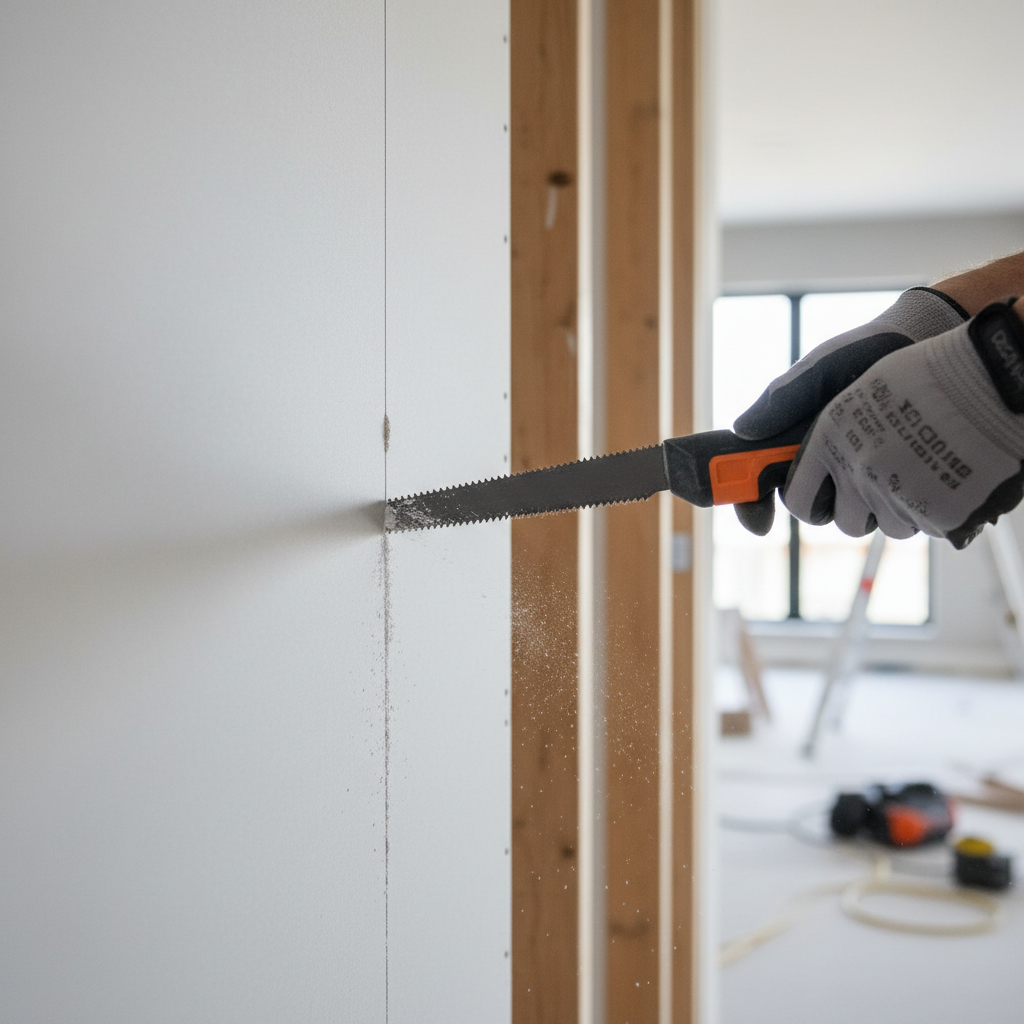
One quick note before the shopping talk: the best saw on paper can still disappoint if you’re cutting the wrong direction, pushing too hard, or skipping a layout line. So you’ll also get a short technique section that saves time immediately.
What “wall cuts” really mean (and why drywall is picky)
Drywall looks soft, but it’s a layered material: paper faces with a brittle gypsum core. That structure is why you get tear-out and “blown” edges when the teeth are too aggressive or you twist the blade mid-cut.
Most wall cuts fall into a few buckets, and each bucket likes a different tool behavior:
- Small openings (outlet boxes, low-voltage rings): needs a saw that starts precisely and turns tightly.
- Medium rectangles (HVAC registers, access panels): needs straight tracking and fast waste removal.
- Long cuts (repair patches, partial sheet removal): needs comfort and reduced fatigue, because you’ll be sawing longer than you think.
According to OSHA, controlling dust during construction tasks matters for health and jobsite safety, so the cutting method you pick should also match how you plan to manage dust and debris.
Drywall saw types: jab saw vs. keyhole vs. pull saw
If you’re trying to choose the best drywall saw for wall cuts, start by choosing the style that matches how you cut. The differences aren’t marketing fluff, they change the cut start, control, and edge quality.
Jab saw (a.k.a. drywall saw, compass saw)
This is the classic pointed drywall saw you can punch through the face paper and begin cutting without a starter hole. It’s the go-to for fast openings.
- Best for: outlet boxes, quick access holes, remodel work where speed matters
- Watch-outs: easy to overcut corners if the blade is too long or too flexible
Keyhole saw (narrow blade, finer control)
Keyhole saws overlap with jab saws, but many have a slimmer profile and sometimes a slightly finer tooth pattern. In practice, they shine when you want cleaner corners and less wandering.
- Best for: tight turns, small cutouts, delicate areas near finished trim
- Watch-outs: can feel slower on thicker gypsum or double-layer walls
Japanese pull saw (fine, controlled, very clean edges)
Not everyone thinks “pull saw” for drywall, but for straight lines and patch work, a fine-tooth pull saw can leave a noticeably cleaner edge with less paper fuzz. It also tends to feel more controllable because the blade cuts on the pull stroke.
- Best for: patch outlines, trimming edges, straight cuts where finish quality matters
- Watch-outs: usually needs a starter hole or an existing edge to begin
Buying checklist: features that actually affect the cut
Here’s what tends to separate a “fine” drywall saw from one you keep reaching for. If you only skim one section, skim this.
- Tooth design: Coarse teeth remove material fast but can tear paper; medium teeth often balance speed and edge quality for most wall cuts.
- Tip geometry: A sharp, reinforced point starts cleaner and bends less when you punch through.
- Blade stiffness: Too flexible wanders; too stiff can feel grabby in tight turns. For outlet-size cutouts, moderate stiffness is usually the sweet spot.
- Blade length: Shorter blades turn easier; longer blades cut faster on big openings but increase the chance of nicking wires or pipes if you plunge too deep.
- Handle comfort: Look for a grip that stays secure with dusty gloves; hotspots show up fast on longer cuts.
- Replaceable blade: A replaceable-blade model can be practical if you cut drywall often, since dull teeth cause more tear-out and more effort.
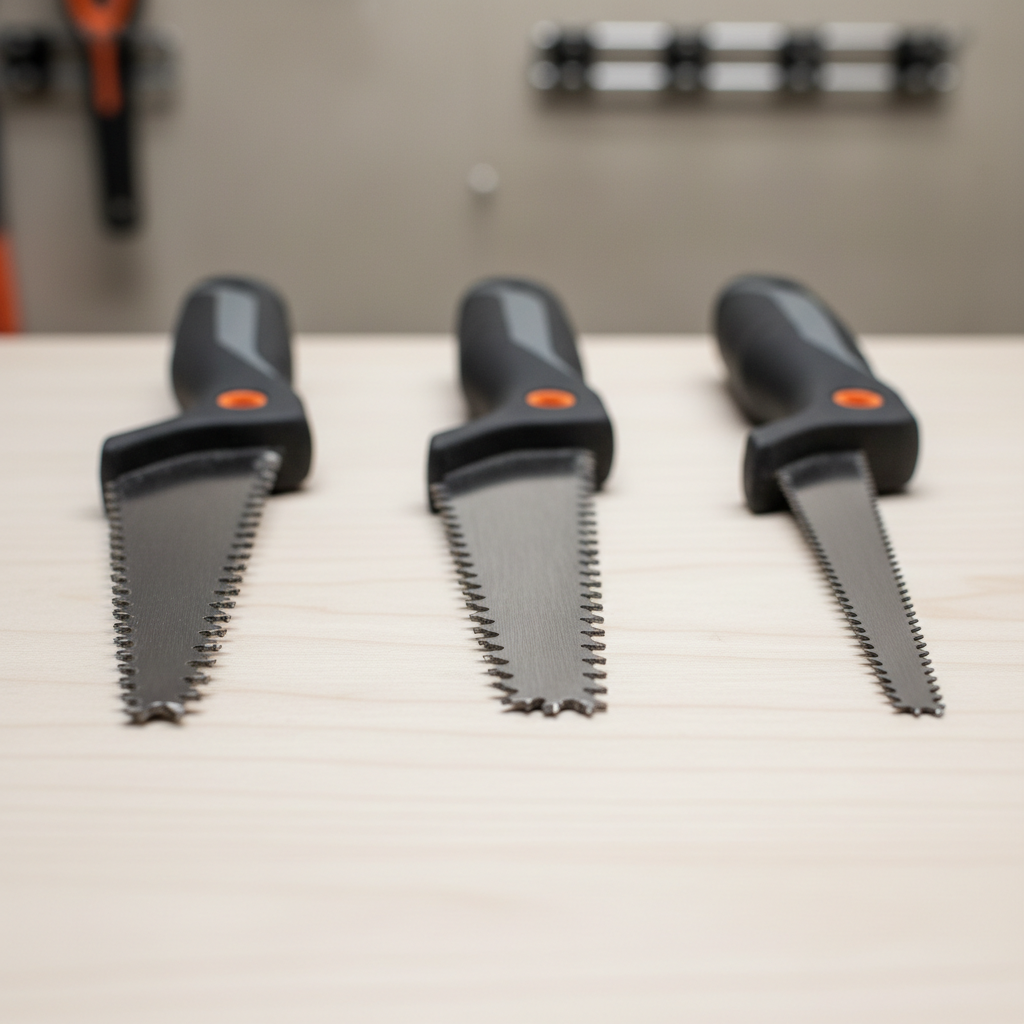
Key takeaway: if you only make a few wall openings per year, prioritize control and clean starts over maximum cutting speed. Speed matters more when you’re doing many openings in a day.
Quick recommendations table (match the saw to the job)
Brand “best” changes based on what you value and what’s available locally, so instead of claiming a single winner, use this table to choose the right category for your wall cuts.
| Wall-cut task | Best saw style | What to look for | Why it works |
|---|---|---|---|
| Outlet box opening | Jab saw or slim keyhole saw | Sharp point, moderate stiffness, shorter blade | Starts accurately, turns without blowing corners |
| HVAC register cutout | Jab saw | Medium-coarse teeth, comfortable handle | Removes gypsum quickly on longer straight runs |
| Access panel / medium rectangle | Jab saw + utility knife for scoring | Blade length that matches wall cavity risk | Knife reduces tear-out; saw does the bulk removal |
| Patch perimeter / clean finish edge | Japanese pull saw | Fine teeth, thin kerf, stiff spine if available | Cleaner edge, less paper fuzz to skim-coat later |
| Working near possible wiring/plumbing | Short jab saw or keyhole saw | Short blade, controlled tip, slow bite | Reduces depth and surprise contact risk |
Before you cut: a fast self-check that prevents expensive surprises
Most “bad drywall saw” moments are really “bad info about what’s behind the wall.” If you’re cutting into an unknown cavity, slow down.
- Do you know stud spacing and direction? A quick stud finder pass helps you avoid turning a neat rectangle into a structural guessing game.
- Any chance of wiring or plumbing? Kitchens, baths, and exterior walls deserve extra caution.
- Is this a finished/painted wall? If yes, plan for cleaner edges and less tear-out.
- Do you have dust control ready? A shop vac nearby and a drop cloth saves cleanup time.
According to CDC guidance on silica, fine dust exposure can be harmful in many contexts; drywall dust is not the same as silica from concrete, but dust control is still a smart baseline. If you have asthma or sensitivities, it may be worth wearing a properly fitted mask and improving ventilation, and in some cases asking a professional for help.
How to get cleaner wall cuts (simple technique, big payoff)
Technique is the difference between “good enough” and “looks like it was always there.” Try this workflow on your next cutout.
1) Layout and score
- Mark the opening clearly, then score the perimeter with a sharp utility knife.
- On painted walls, scoring reduces paper tear-out and chipped paint at the edge.
2) Start the cut without blowing out the face paper
- Place the saw tip on your line, angle slightly, then push gently until it breaks through.
- Once through, level the blade and begin short strokes to establish a track.
3) Let the teeth do the work
- Use steady strokes, avoid twisting the blade, especially near corners.
- When turning a corner, stop short, reposition, then continue rather than forcing a tight pivot.
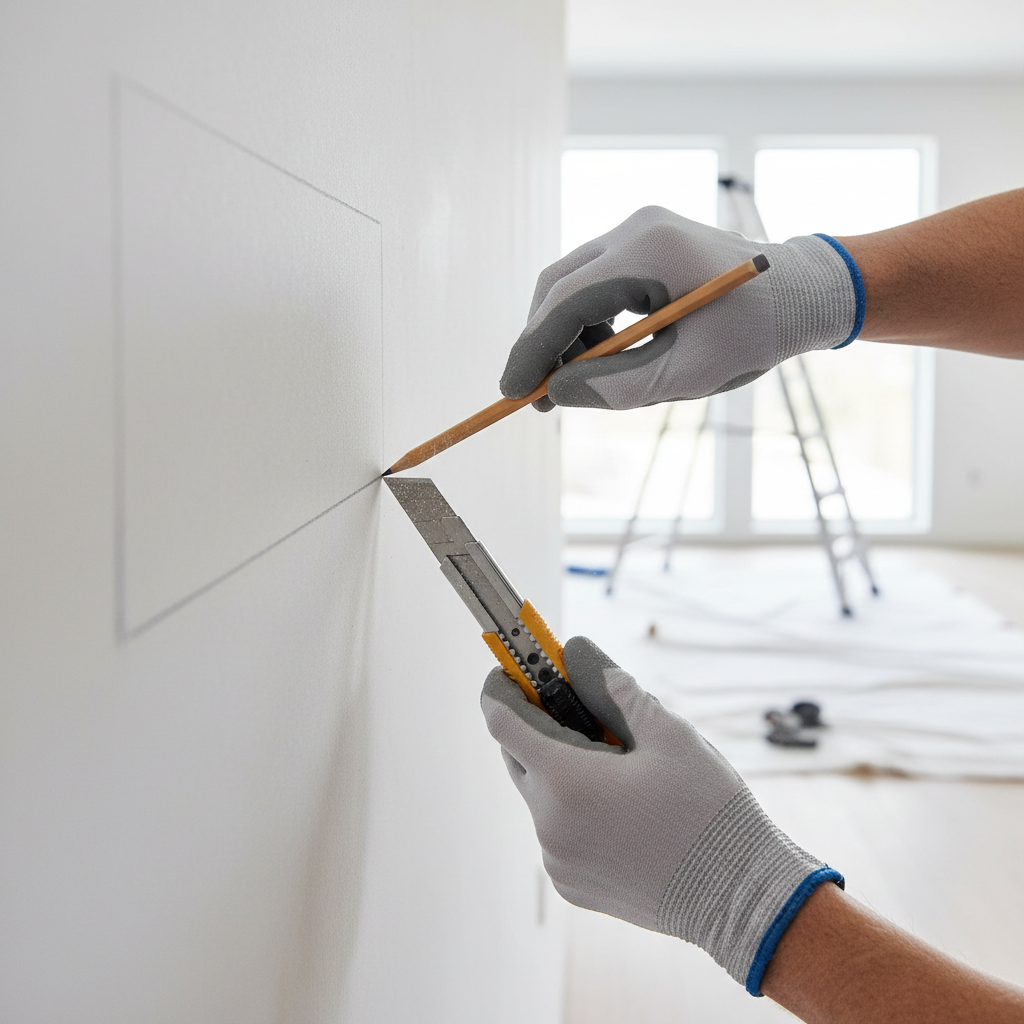
Small pro move: For outlet openings, many people cut the hole slightly undersized, test-fit the box or ring, then shave edges carefully. That extra minute often looks cleaner than trying to nail the exact size in one pass.
Common mistakes (and what to do instead)
- Plunging too deep: A long jab saw can reach wires quickly. Use a shorter blade or control depth with a slower start.
- Skipping scoring: Especially on painted walls, you’ll see fuzz and chipped edges. Score first, then saw.
- Over-aggressive teeth for finish work: Coarse teeth are fast, but patch edges may need more mud to hide damage.
- Trying to turn mid-stroke: That twist tears the face paper. Stop, reset, then continue.
- Using a dull saw: Dull teeth increase force, which increases blowout and fatigue. If it feels like you’re wrestling, it’s time to sharpen/replace.
When you should consider a pro (or a different tool)
There are plenty of DIY-friendly wall cuts, but a few situations justify slowing down or hiring help.
- Unknown walls in kitchens/baths: plumbing and electrical runs are more likely, and mistakes cost more.
- Cutting near a main panel, heavy-gauge wiring, or fire-rated assemblies: requirements vary by jurisdiction and building type.
- Large openings affecting studs: if the plan involves modifying framing, consult a qualified contractor or engineer.
- Concern about hazardous materials: in older homes, if you suspect asbestos in joint compound or other materials, stop and consult a qualified professional. According to EPA, asbestos exposure risks require careful handling and proper guidance.
Conclusion: choosing the right drywall saw in 2026
The best drywall saw for wall cuts is the one that matches your most common openings and keeps control high, especially at the start of the cut and at corners. For most homeowners, a sharp, moderate-stiffness jab saw plus a utility knife for scoring covers a lot of ground. If you care about the cleanest patch edges, a fine pull saw earns its place.
If you want a simple next step, pick one saw style based on your main task, then practice on a scrap piece of drywall or an inconspicuous spot. You’ll feel the difference in about five minutes, and your wall edges will show it.
FAQ
What is the best drywall saw for wall cuts if I only do occasional DIY?
A medium-tooth jab saw with a comfortable handle is usually the most forgiving choice, especially if you pair it with scoring the outline using a utility knife.
Can I use a drywall saw to cut around electrical wires?
You can, but it’s risky if you don’t know what’s behind the surface. Many people switch to a shorter blade, cut slowly, and keep depth shallow; when in doubt, it’s safer to open an access point and visually confirm.
Why do my cuts look fuzzy and chipped on painted drywall?
Paint and paper tend to tear when you start sawing immediately. Scoring the perimeter first and using shorter starter strokes usually reduces that fuzz.
Jab saw vs. oscillating tool: which is better for wall openings?
An oscillating multi-tool can be cleaner and more precise, but it creates fine dust and costs more. A jab saw is cheaper and fast, and for many wall cuts it’s plenty accurate with good technique.
What tooth count is best for drywall?
There isn’t one universal number, because manufacturers vary. In practice, medium-to-coarse teeth cut faster, while finer teeth can leave cleaner edges for patch work.
How do I keep from overcutting corners on outlet cutouts?
Stop short of the corner, then approach it from the other direction, rather than swinging the blade hard through the turn. Many DIYers also cut slightly undersized and then fine-tune.
Do I need a special saw for double-layer drywall?
Double-layer walls often feel tougher and may dull teeth faster. A sturdier jab saw with a comfortable grip helps, and taking slower strokes reduces wandering.
How often should I replace a drywall saw blade?
When it starts requiring noticeably more force or begins tearing the paper more than usual. If you do frequent work, a replaceable-blade model can be more convenient.
If you’re trying to choose the best drywall saw for wall cuts and want a more “no-guessing” setup, start by listing your most common openings, then pick the saw style that matches that job and add a sharp utility knife plus basic dust control, it’s a small kit that makes the whole process feel calmer.