
The best garden tiller for small garden is usually the one that fits your space and soil, not the one with the biggest engine. In a tight backyard bed, an oversized machine can be annoying to store, hard to turn, and more likely to chew up edging or irrigation lines.
If you’re shopping for 2026, you’ll notice the same big split: compact electric cultivators (light and easy) versus small gas tillers (more bite in tough soil). The tricky part is matching the tool to what you actually do, mixing compost into raised beds, opening new ground, or keeping weeds down between rows.
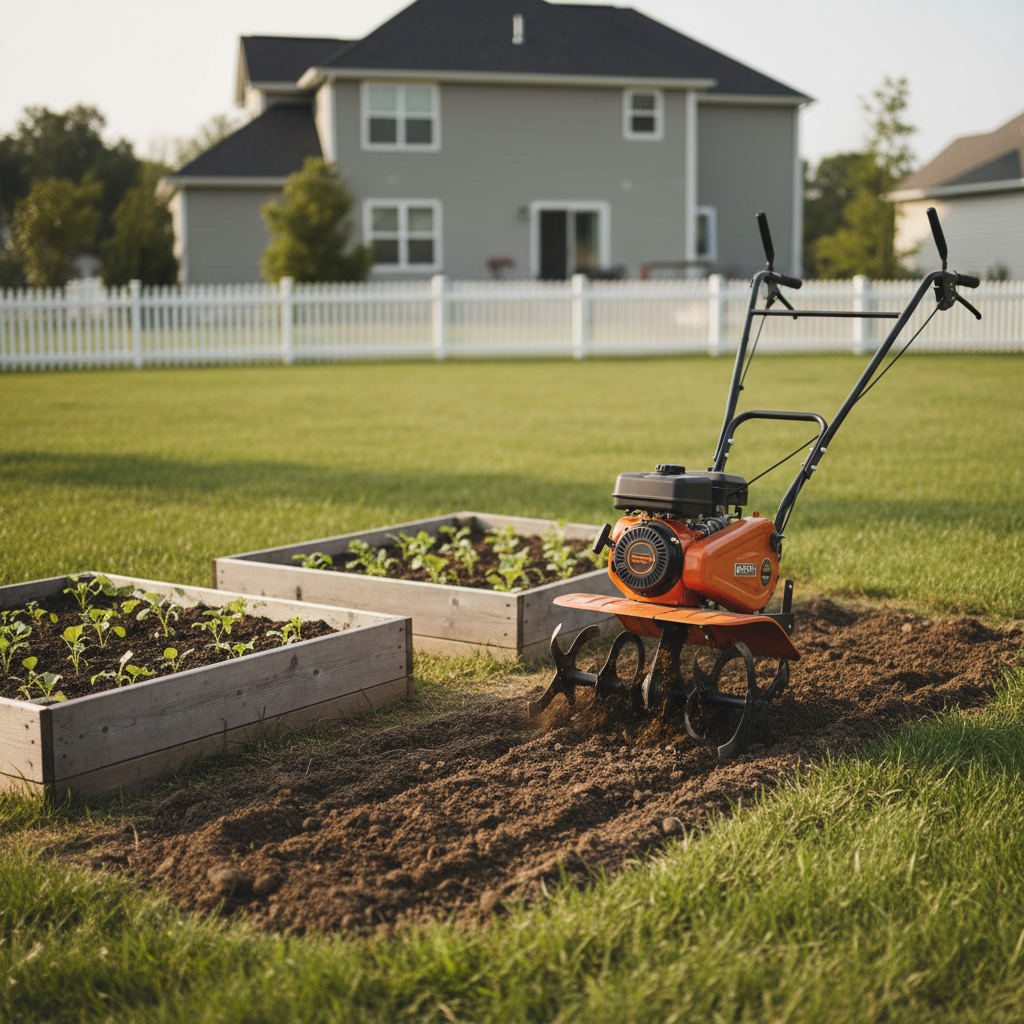
This guide focuses on practical buying criteria and real use cases, plus a quick decision checklist, so you can narrow down the right tiller category without guessing. I’ll also call out common mistakes that waste money, like buying too wide, too heavy, or too aggressive for the soil you have.
What “small garden” really means for tiller shopping
Most small-garden frustration comes from tight turning space and storage, not from a lack of horsepower. Think less about acres and more about bed width, gate access, and how often you’ll use it.
- Typical small garden layouts: a few raised beds, a 10x10 to 20x20 in-ground plot, or narrow side-yard rows.
- Access constraints: gates, steps, pavers, or a shed with limited clearance.
- Soil reality: many yards have compacted clay, roots, or stones that change the “right” machine a lot.
According to USDA Natural Resources Conservation Service (NRCS), soil structure and organic matter strongly influence how soil handles disturbance and compaction. Translation in plain terms: if your soil is already fragile or very compacted, you’ll feel the difference between “light cultivating” and “deep tilling” fast.
Types of tillers that work best in small spaces
There’s no universal winner, but there are clear patterns. If your goal is mixing compost into existing beds, a compact cultivator often beats a heavy-duty tiller in day-to-day satisfaction.
Electric cultivators (corded or battery)
Great for routine bed prep, weeding between rows, and blending amendments into topsoil. These are often the most “small garden friendly” tools because they’re light and simple.
- Pros: low maintenance, easy start, lighter weight, quieter.
- Tradeoffs: limited depth and torque in hard clay or new ground; cord management if corded.
Compact gas tillers (front-tine or small rear-tine)
Better when you’re breaking tougher soil, dealing with compacted areas, or opening a new patch. That said, the extra power can be overkill for raised beds.
- Pros: more power in difficult soil, no cord, typically deeper bite.
- Tradeoffs: heavier, more maintenance, storage and fuel considerations.
Manual options for very small beds
It’s not glamorous, but a broadfork, stirrup hoe, or hand cultivator can outperform a machine when you’re working in narrow, established beds and want minimal disturbance.
Quick comparison table: choose the right category
If you’re trying to decide fast, use this table as a starting point. The “best garden tiller for small garden” is the category that matches how your garden behaves, not the marketing label.
| Garden/Soil Situation | Best Fit | Why It Works | Watch Outs |
|---|---|---|---|
| Raised beds, loose soil, seasonal compost mixing | Electric cultivator | Light, easy control, enough depth for amendments | Can bounce if you force it too deep |
| In-ground beds, moderately compacted soil | Stronger electric or compact gas front-tine | More torque for initial spring prep | Weight and maneuvering near edging |
| New ground, clay, lots of roots | Compact gas rear-tine (or rental) | Better traction and depth control | May be too big to store for one-time use |
| Very tight rows, established soil structure focus | Manual tools | Precise, minimal disturbance | More physical effort, slower pace |
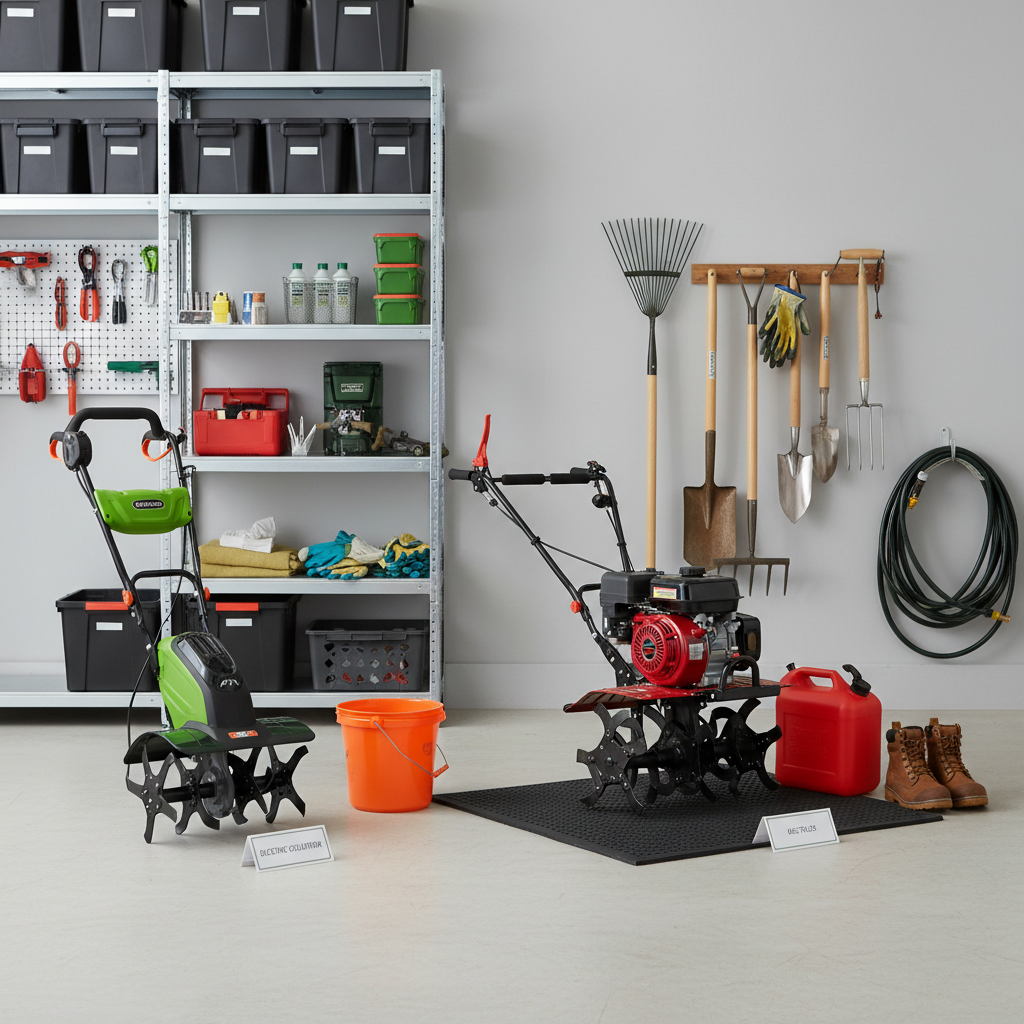
Self-check: how to tell what you actually need
Before you buy, answer these honestly. People usually regret the purchase when they shop for “maybe someday” tasks, not what they do every month.
- Are you breaking new ground? If yes, consider renting a heavier unit once, then maintain with a smaller tool.
- How wide are your beds and paths? If your tool is wider than your path, you’ll clip plants and hate turning.
- What’s your soil like when dry? Hard clay needs more torque; loose soil needs control more than power.
- Can you lift it into storage? If you can’t move it comfortably, you’ll use it less.
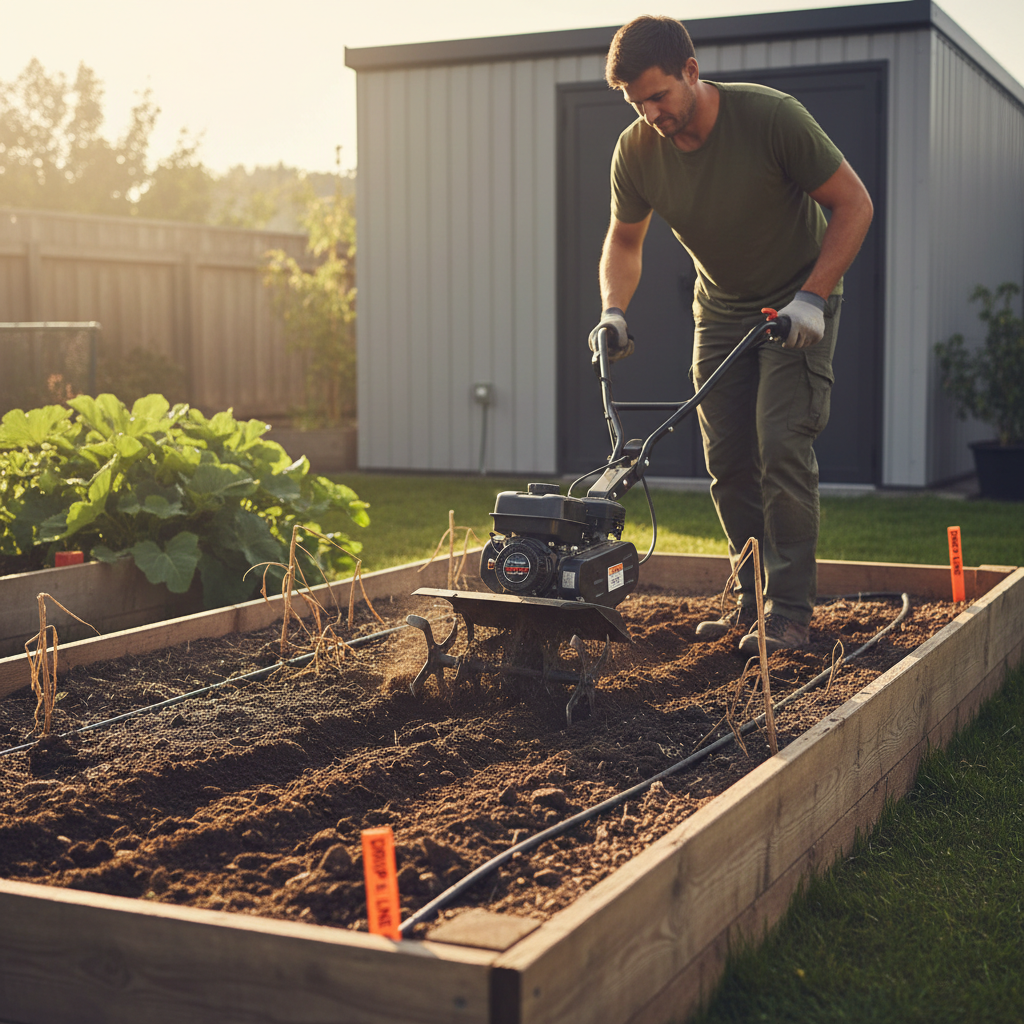
- Do you have buried drip lines or shallow utilities? If yes, shallow cultivation matters, and marking lines is non-negotiable.
For many backyards, the practical “sweet spot” is a narrower unit with enough bite to mix compost, plus easy handling. That’s why the best garden tiller for small garden often looks smaller than people expect.
Buying criteria that matter (and the ones that don’t)
You can ignore a lot of flashy features. Focus on the few specs that affect control, soil finish, and maintenance.
Working width and tine design
- Width: narrower is usually better in tight spaces, and it’s easier to keep straight along bed edges.
- Tines: look for durable tine material and a design that doesn’t clog easily in moist soil.
Weight and balance
Too light can “hop” in hard soil, too heavy becomes a wrestling match. If you’re between two options, prioritize balance and handle comfort over raw power.
Depth control
Depth control is underrated. In small gardens, you often want shallow, repeatable passes rather than one aggressive dig that disturbs too much soil structure.
Power source and maintenance
- Corded electric: reliable, but plan cord routing so you don’t till over it.
- Battery: convenient, check battery ecosystem and runtime expectations.
- Gas: more capable in tough soil, but you’re signing up for fuel storage and tune-ups.
How to use a tiller in a small garden without making a mess
Small plots punish rushed technique. A couple of simple habits keep beds cleaner and reduce strain.
- Start with moisture: soil that’s slightly damp tends to crumble better; overly wet soil can smear and clump. If you’re unsure, a local extension office often has guidance for your soil type. According to USDA Cooperative Extension guidance commonly shared by many state programs, working soil when it’s too wet can damage structure, so waiting a bit is often smarter.
- Do two shallow passes: the finish usually looks better than one deep pass, and control improves.
- Work from the edges inward: it helps keep the machine away from borders and irrigation.
- Stop when the soil is “good enough”: pulverizing soil into dust can create crusting later, especially in clay-heavy regions.
Mistakes that make small-garden tillers feel “bad”
A lot of complaints come down to mismatch or setup, not the tool being inherently wrong.
- Buying too wide: the machine drifts into edging, and turning becomes a multi-point maneuver.
- Tilling too deep every time: you bring up weed seeds and disrupt soil layers you didn’t need to touch.
- Skipping debris cleanup: vines, twine, and roots can wrap around tines and stall progress.
- Using it as a weeder in dense plantings: cultivators need clearance, a hoe often works better.
- Ignoring storage: if it’s hard to store, it becomes a once-a-year tool, and that’s rarely worth it.
When it’s worth getting extra help (or renting instead)
If you’re converting lawn to garden, dealing with heavy clay, or hitting roots and rocks constantly, renting a heavier rear-tine tiller for a weekend can be more practical than owning one. You get the one-time heavy work done, then maintain the bed with a smaller cultivator afterward.
For safety, if you suspect buried utilities, sprinkler lines, or you’re unsure about underground cable runs, it’s wise to check local utility marking options and consider hiring a landscaper for the initial break. Blades and tines don’t forgive surprises.
Key takeaways (so you can decide today)
- Small gardens reward control: narrow width and good balance beat brute power.
- Match the tool to the job frequency: routine compost mixing and weed control usually point to a compact cultivator.
- New ground is a different project: consider rental for the first break, then downsize for maintenance.
- Technique matters: two shallow passes and correct soil moisture often improve results more than “more horsepower.”
Conclusion
Choosing the best garden tiller for small garden comes down to being honest about your space and your soil. If you mostly refresh beds and mix in compost, a compact electric cultivator tends to feel simpler and more pleasant to use, and that matters because you’ll reach for it more often. If you’re fighting hard ground or starting from scratch, a small gas tiller or a short-term rental can save a lot of frustration.
If you want one next step, measure your narrowest path and your bed widths, then pick a tiller category that fits those numbers first, everything else becomes easier after that.
FAQ
What is the best garden tiller for small garden beds and raised beds?
For many raised beds, a compact electric cultivator is enough because the soil is already loosened and you’re mainly blending compost. If your soil is heavy clay even in beds, you may need a stronger unit, but width and control still matter most.
Is a gas tiller too much for a small backyard garden?
Not always, but it can be if you’re maintaining established beds. Gas power shines when soil is compacted or you’re opening new ground. In tight spaces, the extra weight can become a downside more than a benefit.
How wide should a tiller be for a small garden?
A practical rule is to keep working width comfortably under your narrowest path or row spacing, so you can steer without clipping plants. If your garden has edging, leave room for drift, because most tillers don’t track perfectly straight.
Do I really need to till every spring?
Many gardeners don’t, especially in established beds where they top-dress compost and use mulch. Tilling can help in certain soils or when incorporating amendments, but constant deep tilling may bring up weed seeds and disturb soil structure.
Can a small cultivator break new ground?
Sometimes, but it depends on roots, stones, and how compacted the soil is. If the tool bounces and won’t bite, forcing it usually just overheats the motor or wears parts. Renting a heavier tiller for the first pass is often more realistic.
What’s better for weeds: a tiller or a hoe?
In tight plantings, a hoe often wins because it’s precise and doesn’t throw soil onto seedlings. A tiller can help reset an empty bed, but it’s not a great tool for weeding between mature plants.
How deep should I till in a small vegetable garden?
For routine bed prep, shallow cultivation is commonly enough to mix compost and loosen the surface. Deep tilling is more situational, and if you’re unsure, checking guidance from a local extension office can help match depth to your crops and soil.
If you’re trying to pick a tiller without overbuying, make a short list based on your bed width, soil hardness, and storage space, then compare just those models side by side, it’s the fastest way to land on a tool you’ll actually enjoy using.