
The best reciprocating saw for demolition is the one that matches your material mix, your working position, and how long you actually need to cut before fatigue kicks in.
If you’ve ever tried to push a “fine for weekend projects” saw through nails, plaster, and old framing, you know the frustration, the vibration, and the slow progress. Demolition demands torque, stroke length, good vibration control, and a tool that won’t overheat when the work gets messy.
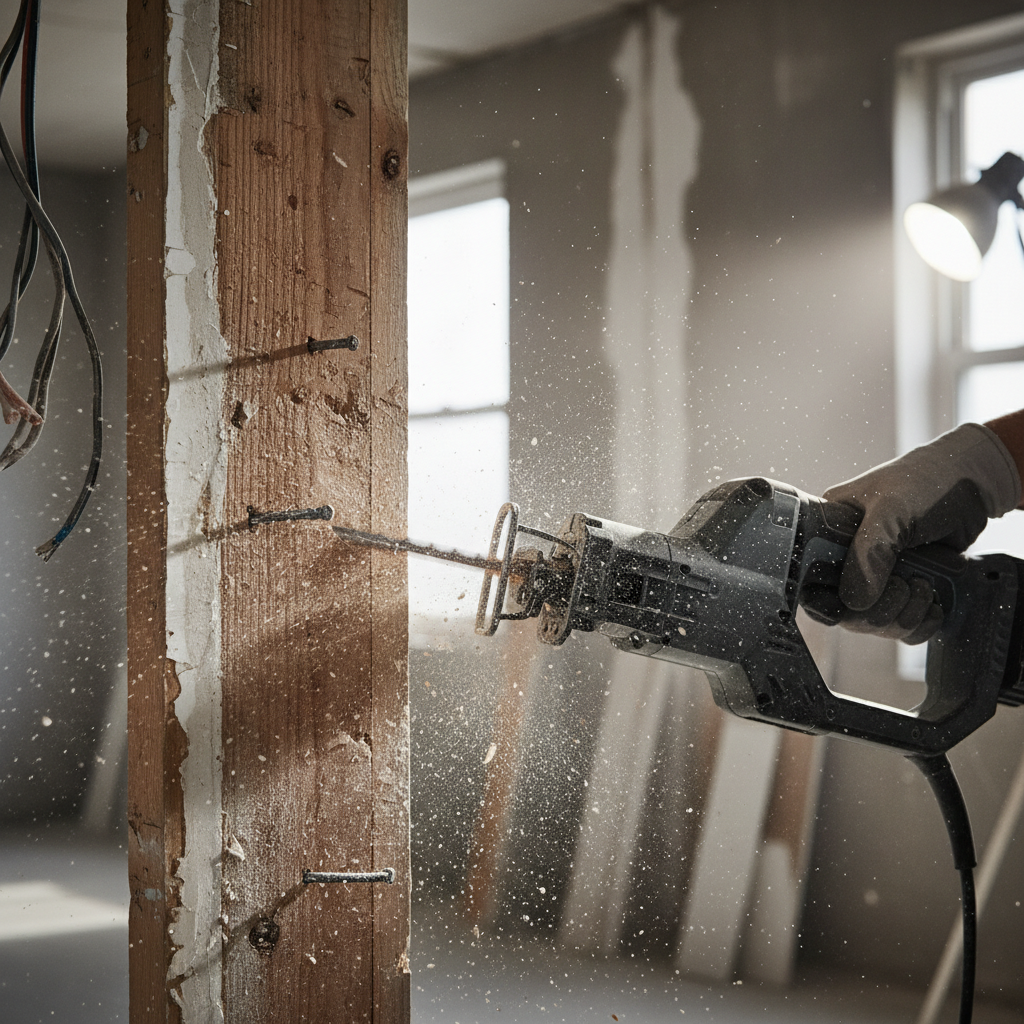
This guide doesn’t try to crown one universal winner. Instead, it shows you how to pick the right class of saw for demolition in 2026, what specs matter in real jobs, and how to avoid the common “I bought the wrong platform” mistake.
What “demolition” really asks from a recip saw
Demolition cutting is rarely clean wood-on-wood. It’s mixed materials, awkward angles, and hidden fasteners. So the tool needs a few things that are optional in other use cases.
- Power under load: the ability to keep stroke speed when the blade hits nails or dense lumber.
- Low vibration: less hand fatigue and better control when you’re overhead or one-handed on a ladder.
- Tool-free blade changes: because you’ll swap blades more often than you expect.
- Durable shoe and gearbox: the shoe gets abused, and the front end takes the brunt of plunge cuts.
- Good ergonomics: the best reciprocating saw for demolition often “wins” because it feels stable, not because it’s the strongest on paper.
According to OSHA... reciprocating saw work falls into the same broader risk categories as other power cutting tasks, which is why eye protection, hearing protection, and dust awareness stay non-negotiable, especially in older structures where hazardous materials may be present.
Quick decision checklist: pick your demolition profile
Before you compare brands, decide what you’re demolishing most weeks. This quick filter narrows the field fast.
- Mostly framing and nails (2x lumber, studs, roofing): prioritize stroke length (often 1-1/8 in), orbital action, and vibration control.
- Mostly metal (pipe, strut, conduit): prioritize variable speed trigger control, stable shoe, and blade availability for thick metal.
- Remodel interiors (drywall, lath & plaster, trim, cabinets): prioritize compact size, lower vibration, and easy blade access.
- Demo in tight places (between studs, under sinks, crawl spaces): a compact one-handed recip saw can outperform a full-size tool simply because it fits.
- All-day pro use: weigh platform cost, battery ecosystem, and service support as heavily as raw specs.
If you’re in the “bit of everything” bucket, a full-size cordless recip saw plus a compact secondary saw is a common, practical combo.
Key specs that matter (and which ones get overhyped)
Marketing sheets can look impressive, but demolition usually rewards a few core specs.
Stroke length and speed
For typical demo, a longer stroke tends to clear debris better and cuts faster in wood. Variable speed matters more than a headline max SPM because you’ll feather the trigger in metal and start cuts carefully in finished spaces.
Orbital action
Orbital action helps in wood demolition by making the blade “chew” more aggressively. It’s great for framing, not always ideal for clean, controlled cuts in metal.
Vibration control
This is where a tool can feel expensive in a good way. Less vibration usually means more control and less fatigue, and fatigue is what causes sloppy cuts and near misses.
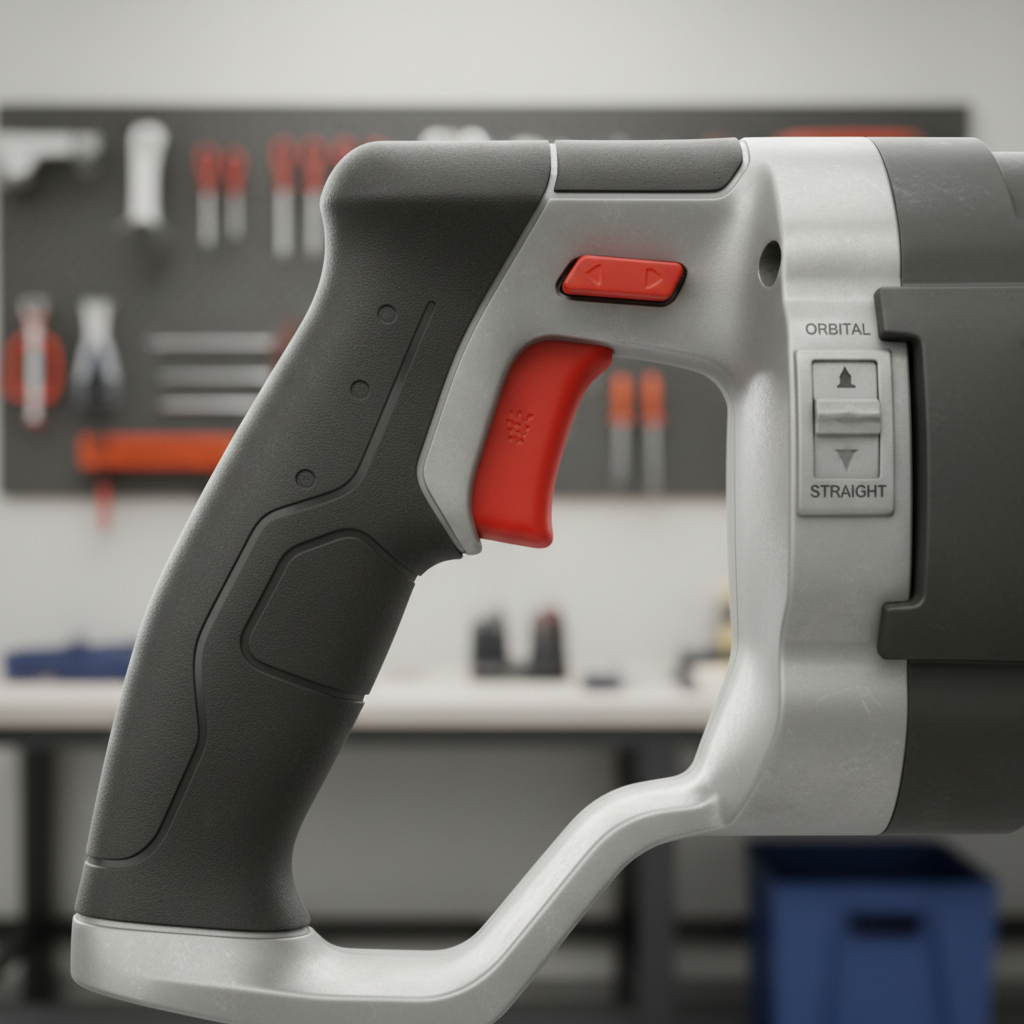
Tool-free shoe adjustment
A pivoting, adjustable shoe lets you use fresh blade teeth, stabilize the cut, and reduce blade bending. In demolition, that can mean fewer snapped blades.
Corded vs cordless (the real trade)
- Cordless: faster setup, safer mobility, better for ladders and roofs, but you need enough batteries to avoid downtime.
- Corded: consistent power for long sessions, often lower upfront cost, but cord management becomes its own jobsite hazard.
In 2026, many people land on cordless for most demo, then keep a corded saw as a “never run out of juice” backup.
Recommended categories: choosing the best reciprocating saw for demolition in 2026
Rather than listing a single winner, here are the categories that typically produce the best results depending on your work style. Use this to shop smarter, even if you’re comparing models in-store.
- Full-size cordless (18V/20V class): the default pick for most renovation and framing demo, best balance of power and mobility.
- High-output / larger battery platforms: a strong choice if you cut thick lumber, layered roofs, or do heavier commercial work.
- Compact one-handed recip saw: best for tight access, overhead cuts, and lighter interior demo, not a full replacement for heavy framing.
- Corded pro-grade: best when power consistency matters more than portability, especially for long teardown sessions.
If you’re buying your first “serious” tool, the best reciprocating saw for demolition is often the one on the battery platform you’ll commit to for years, because batteries end up costing as much as the bare tool over time.
Comparison table: what to look for by job type
Use this table as a quick “spec priority map” while shopping.
| Demolition job | Top priorities | Nice-to-have | Common mistake |
|---|---|---|---|
| Framing + nail-embedded wood | Long stroke, orbital action, vibration control | Adjustable shoe, rafter hook | Using the wrong blade type |
| Cast iron / thick metal | Trigger control, rigid shoe, power under load | Lower vibration, compact head | Over-speeding and burning blades |
| Interior remodel (drywall, trim) | Compact size, low vibration, visibility | LED light, slim body | Full-size saw where a compact one fits better |
| Demo in tight spaces | One-handed control, short body length | Fast blade changes | Trying to force a full-size tool into the gap |
Practical setup: blades, technique, and avoiding wasted cuts
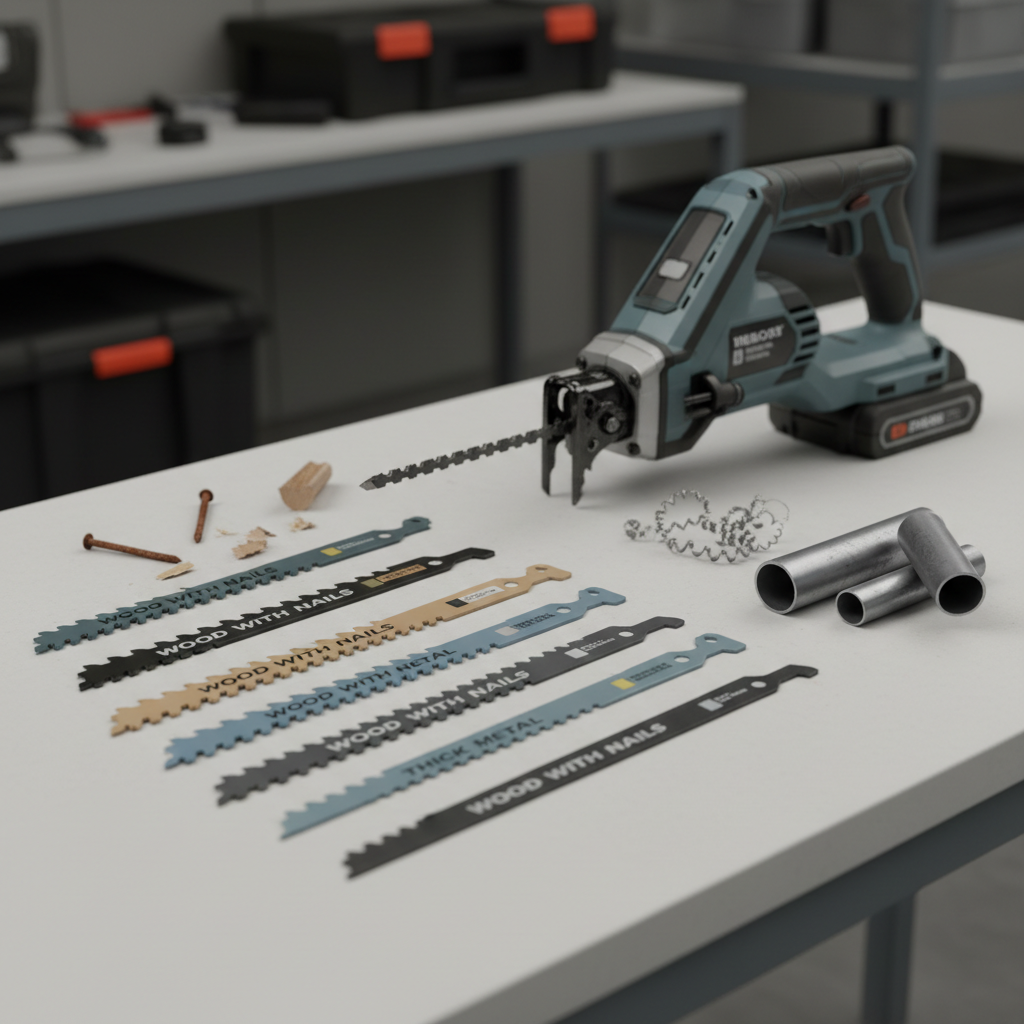
A great saw feels average with the wrong blade. In demolition, blades are consumables, plan to burn through them.
Blade picks that usually work
- Wood with nails: a demolition blade made for nail-embedded wood, medium TPI.
- Thick metal: a thick-metal blade with higher TPI, slower cutting pace, more control.
- Pruning/green wood: a dedicated pruning blade, especially for yard teardown or roots.
- Multi-material: useful for unknowns behind drywall, but not always fastest.
Technique matters more than people like to admit. Let the saw do the work, keep the shoe pressed firmly to reduce vibration, and avoid twisting the blade mid-cut, that’s where snaps happen.
Key points people skip
- Use the adjustable shoe: extend it as teeth wear so you stop cutting with the same dull section.
- Match speed to material: metal likes slower, controlled strokes; wood demo can run faster.
- Start stable: an unstable first second makes the rest of the cut worse.
According to CDC... power-tool noise can contribute to hearing damage, so hearing protection is a smart default on demolition sites, even for “quick” cuts.
Common mistakes (and what to do instead)
- Buying max power but ignoring vibration: if your hands go numb fast, you’ll work slower, even with a strong motor.
- One blade for everything: multi-material blades help, but dedicated blades usually cut faster and straighter in their lane.
- Underbuying batteries: cordless demo eats capacity, plan for at least two solid packs if you work continuously.
- Cutting blind in old walls: wiring, plumbing, and unknown material may be present, shut off power where appropriate and open inspection areas when needed.
- Forgetting dust control: older construction may contain hazardous dust, if you suspect asbestos or lead, stop and consult qualified professionals.
Conclusion: how to choose confidently (without overbuying)
The best reciprocating saw for demolition is usually a full-size cordless model with strong vibration control, an adjustable shoe, and easy blade changes, paired with the right blades for your material. If you work in tight spaces often, a compact one-handed recip saw can be the difference between fighting the job and finishing it.
Your next move stays simple: pick your demolition profile, choose a tool platform you can afford to stay on, then budget for blades and batteries the same way you budget for the saw itself.