
High pressure grease tube selection matters more than most people expect, especially when you refill a grease gun often and can’t afford leaks, blowouts, or downtime. If your current tube keeps bulging, the coupler won’t stay sealed, or grease seems to separate and clog, it’s usually not “just a messy day”, it’s a mismatch between pressure, packaging, and application.
In U.S. shops, farms, fleet bays, and plants, grease is routine maintenance, but the wrong cartridge or refill tube turns routine into a repeat problem. Pressure ratings, base oil viscosity, thickener type, and even the tube construction can change how a gun feeds, how a fitting seals, and how the grease behaves under load.
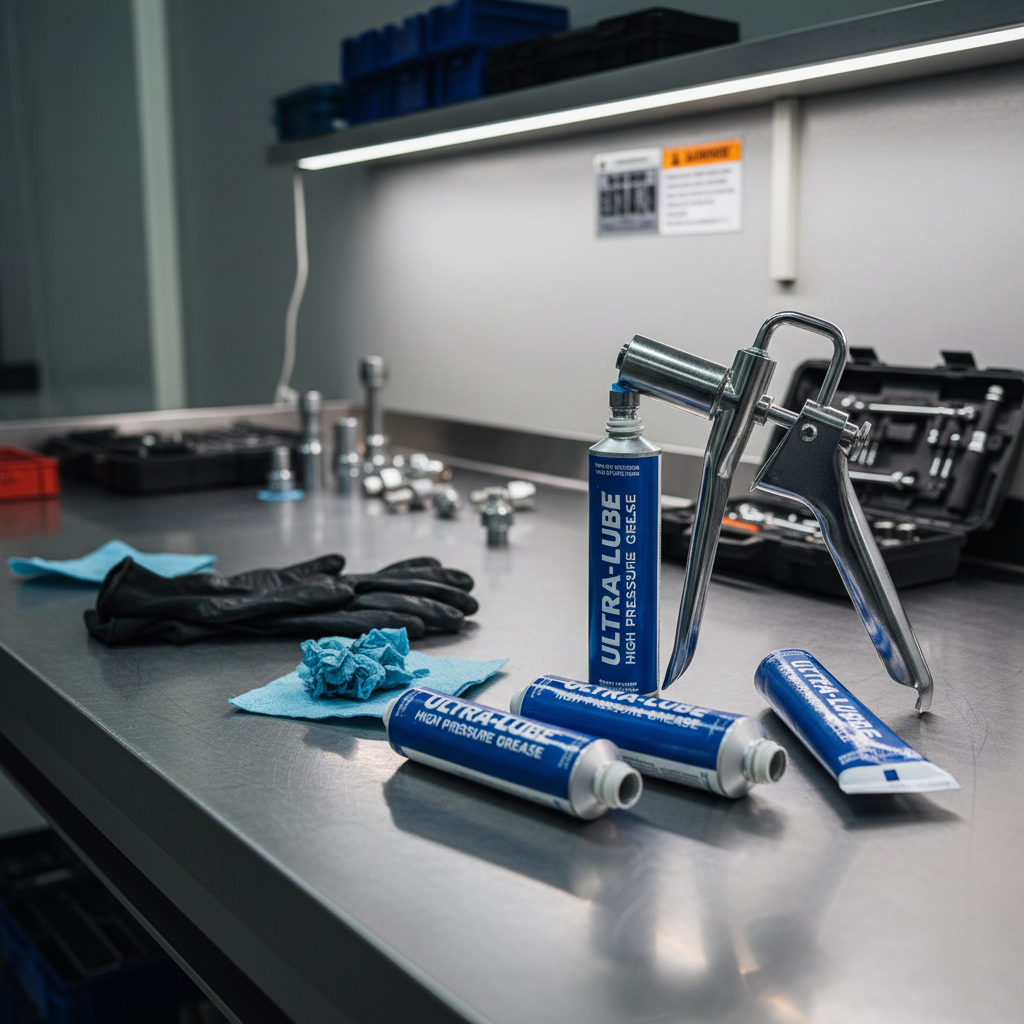
This guide breaks down what “high pressure” really means in a grease tube, how to confirm compatibility with your gun and fittings, and what to do when you’re fighting air pockets or constant seepage. You’ll also get a practical checklist and a comparison table so you can pick faster next time.
What a “High Pressure” Grease Tube Actually Means
People say “high pressure” in two different ways, and mixing them up causes most buying mistakes. One is the grease performance under high load at the bearing or pin. The other is the packaging and feed behavior when a grease gun builds pressure.
- Application pressure/load: Grease needs enough film strength and mechanical stability so it doesn’t squeeze out under heavy load or heat.
- Gun pressure and back-pressure: A lever gun can generate very high line pressure when a zerk is partially blocked, a hose is kinked, or the bearing is already full.
- Tube integrity: A cartridge that’s poorly made, dented, or stored in heat can deform, letting the follower slip or introducing air.
According to NLGI (National Lubricating Grease Institute) guidance on grease classification, you’ll typically see greases described by consistency grade (like NLGI 2) and performance attributes, not by “tube pressure.” So when a seller highlights pressure, you still want to verify the underlying grease specs and the cartridge format.
Common Reasons Grease Gun Refills Fail (Real-World Causes)
If refilling feels unpredictable, it’s usually one of these situations rather than a mystery defect.
1) Tube and gun format mismatch
Not every “standard” cartridge behaves the same. Small dimensional differences, weak end seals, or a follower that doesn’t move smoothly can cause starvation or sudden purging.
2) Wrong grease consistency for your system
NLGI 2 works in many places, but in cold climates, long hose runs, or small auto-lube lines, a stiffer grease can increase back-pressure and make the gun feel like it’s failing.
3) Air pockets from refill technique
Air is the quiet culprit. It shows up as a gun that “pumps” but nothing comes out, then suddenly releases a blob. That’s often trapped air between the follower and the grease column.
4) Contamination or hardened grease at the zerk
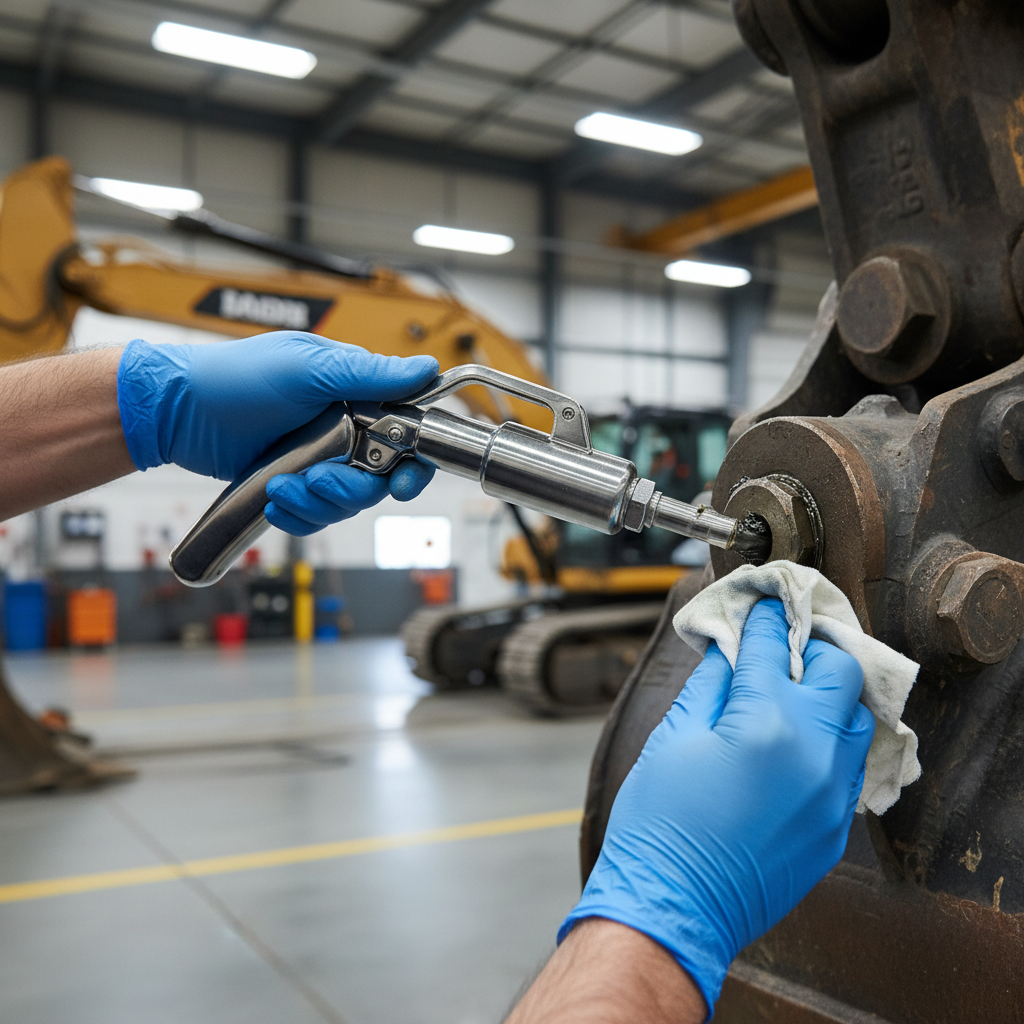
A partially plugged fitting spikes pressure fast. Your tube isn’t the real problem, but it’s the first thing that gets blamed when the gun strains and grease leaks around threads.
Quick Self-Check: Are You Using the Right Tube and Grease?
If you only have a minute, this checklist usually narrows it down.
- Cartridge size: Is your gun designed for 14 oz cartridges, bulk fill, or a specific proprietary tube?
- Coupler seal: Do you see grease pushing back around the coupler before grease enters the bearing?
- Temperature: Are you pumping in near-freezing temps where thick grease feeds poorly?
- Grease type: Are you mixing incompatible thickeners (common when topping off unknown grease)?
- Pressure symptoms: Does the handle suddenly get hard with no flow, suggesting a blocked zerk?
- Storage condition: Were tubes stored in direct sun, in a hot container, or dented in transit?
If you check three or more boxes, you likely need a different grease spec or a different refill approach, not just another random cartridge.
Choosing a High Pressure Grease Tube: What to Look For
When you’re shopping for a high pressure grease tube, focus on what influences performance and feed reliability rather than marketing language.
Key specs that usually matter
- NLGI grade: NLGI 2 is common, NLGI 1 or 0 may pump easier in cold or small lines.
- Base oil viscosity: Higher viscosity can protect better under load, but may pump harder in cold.
- Thickener type: Lithium complex is common; calcium sulfonate often handles water and load well; polyurea shows up in electric motor applications. Mixing can be risky.
- EP/AW additives: EP (extreme pressure) additives help under shock loads, AW (anti-wear) helps reduce wear in sliding contacts.
- Dropping point and water washout: Useful if heat or washdown is part of your life.
Packaging and handling details people skip
- Tube construction: A sturdy tube resists denting, which helps consistent follower movement.
- End seals and pull-tab: Clean removal reduces debris and avoids tearing that drops bits into the gun.
- Batch consistency: For fleets, stable supply reduces “one tube pumps, the next doesn’t” headaches.
According to STLE (Society of Tribologists and Lubrication Engineers) education resources, grease selection should match load, speed, temperature, and environment. That’s a better compass than chasing the highest “pressure” label.
Comparison Table: Matching Tube/Grease to Common U.S. Use Cases
Use this as a starting point, then confirm with your equipment manual and lubricant recommendations.
| Use case | What you want | Grease traits to prioritize | Common pitfalls |
|---|---|---|---|
| Construction equipment pins/bushings | Shock load protection, stay-in-place | EP additives, mechanical stability, tackiness | Overfilling, dirty zerks causing back-pressure |
| Truck/fleet chassis points | Fast service, consistent pumpability | NLGI 2 (often), good corrosion protection | Mixing unknown greases across vehicles |
| Ag equipment (wet, dusty) | Water resistance, rust protection | Water washout resistance, corrosion inhibitors | Using a “general purpose” grease that washes out |
| Cold-weather outdoor service | Easy pumping, steady flow | Lower-temp pumpability, possibly NLGI 1/0 | Stiff grease causing perceived gun failure |
| Washdown/food-adjacent areas | Compliance and wash resistance | Appropriate certifications, water resistance | Using non-compliant grease where rules apply |
How to Refill a Grease Gun with Fewer Leaks and Air Pockets
This is the part people “know,” but small steps make the difference. Your exact gun style matters, so treat this as a baseline and check the manufacturer directions.
Cartridge-style refill (most common)
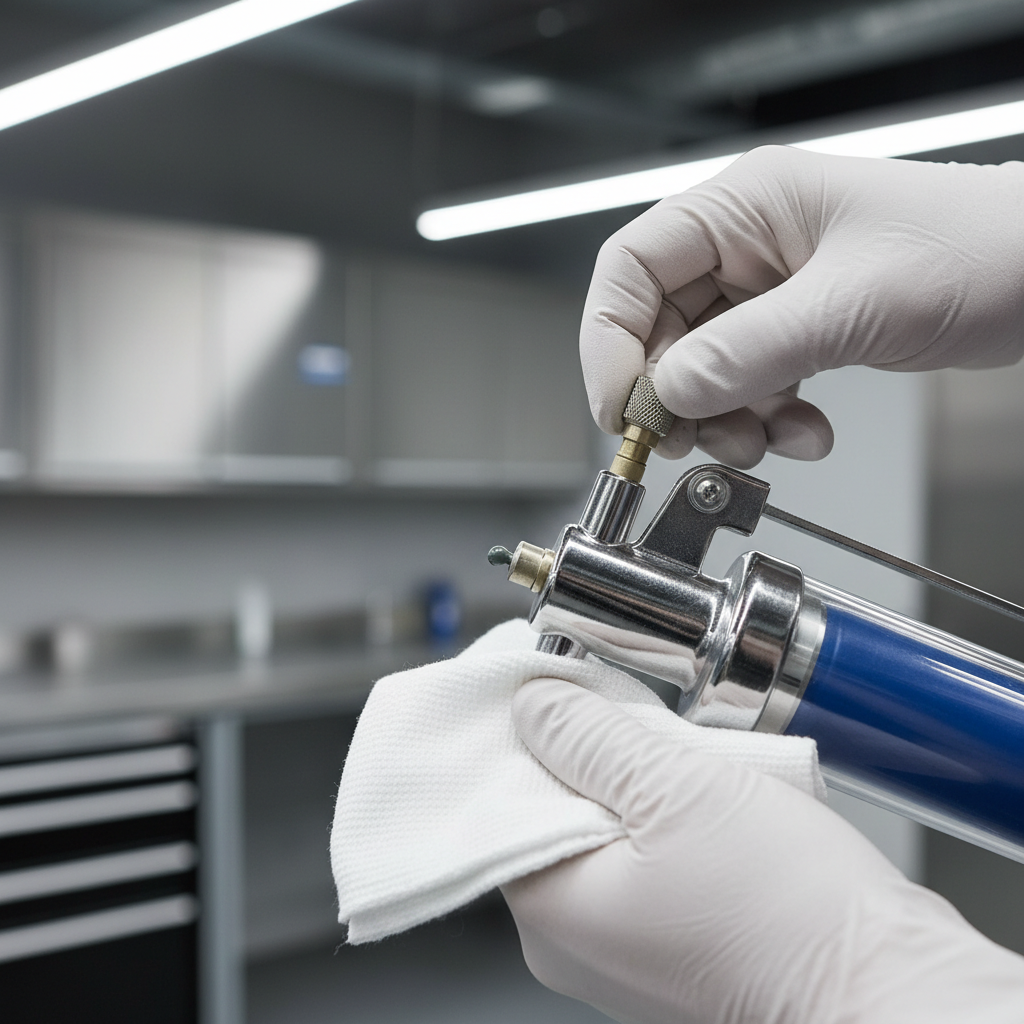
- Wipe the gun head and tube threads so grit can’t compromise sealing.
- Insert the cartridge straight, avoid denting or dragging the rim.
- Remove the cap cleanly, then reattach the head without cross-threading.
- Bleed air using the gun’s bleed valve if it has one, or slightly loosen the head until grease appears, then tighten.
- Prime on a clean fitting or rag until flow looks consistent.
Bulk fill (if you run high volume)
- Keep bulk grease covered, label it, and use a clean follower plate to reduce contamination.
- Match the fill coupler and avoid introducing air during transfer.
- If grease is old or separated, don’t “stir and hope,” consider replacing to avoid inconsistent pump behavior.
Mistakes That Waste Tubes (and How to Avoid Them)
A high pressure grease tube can still fail in practice if the workflow pushes it into worst-case conditions.
- Mixing greases without checking compatibility: Different thickeners can react, leading to softening, hardening, or oil separation. If you don’t know what’s inside, purging and switching fully is usually safer.
- Chasing “more pressure” to fix a blocked fitting: If grease won’t enter, forcing the gun harder may damage seals or pop the coupler off. Clean or replace the zerk.
- Over-lubricating: Many bearings and joints only need enough grease to purge contaminants. Excess can blow seals, especially on electric motors or sealed bearings.
- Poor storage: Heat and dirt shorten shelf life. Keep cartridges sealed, shaded, and rotated.
Key takeaway: when a gun struggles, don’t assume the cartridge is “bad.” Back-pressure, temperature, and fitting condition explain a lot of the mess.
When to Bring in a Pro (or at Least Stop and Verify)
If you’re maintaining critical equipment, it’s worth pausing before swapping products repeatedly.
- You see repeated bearing overheating, abnormal noise, or accelerated wear, lubrication may be only one piece of the issue, and a maintenance professional can help diagnose.
- You’re switching thickener types across a fleet, consult lubricant supplier guidance or the equipment OEM to reduce incompatibility risk.
- You work in regulated environments (food, pharma, certain public infrastructure), confirm compliance requirements before changing grease.
According to OSHA general safety principles for maintenance work, controlling hazards and following manufacturer instructions reduce injury risk. If you’re working around moving parts, lockout/tagout practices may apply, ask a qualified supervisor or safety lead if you’re unsure.
Practical Wrap-Up and What to Do Next
A reliable grease routine usually comes from matching the grease spec to the job, then making the refill process repeatable. If you want fewer blowouts and cleaner service, start by confirming gun format and bleed method, then verify the grease type and compatibility before buying a case.
If you’re troubleshooting right now, pick one fitting that gives you trouble, clean or replace that zerk, load one fresh tube, bleed air carefully, and test again. That small controlled check often tells you whether the issue lives in the tube, the gun, or the fitting.
FAQ
What is a high pressure grease tube used for?
It’s commonly used to refill a grease gun for applications that see heavy loads or stubborn fittings, where grease must hold up under stress and still pump consistently. The “high pressure” benefit usually comes from grease formulation and reliable cartridge construction working together.
Will a high pressure grease tube fit any grease gun?
Many guns accept standard 14 oz cartridges, but not all. Some take bulk fill only, and some brands use proprietary formats. Check your gun’s manual and confirm cartridge dimensions before ordering.
Why does my grease gun build pressure but no grease comes out?
Most often it’s trapped air, a blocked coupler, or a plugged zerk. Bleed the gun, confirm the coupler is fully seated, and try a different fitting. If the problem follows one zerk, that fitting likely needs cleaning or replacement.
Can I mix leftover grease from different tubes?
Sometimes it works, but it’s a common source of separation or thickening issues. If you don’t know the thickener type and compatibility, purging old grease before switching tends to be the safer path.
What NLGI grade is best for high load equipment?
Many high load points use NLGI 2 with EP additives, but “best” depends on temperature, speed, and delivery method. In cold weather or long lines, a softer grade may pump better even if the load is high.
How do I stop grease leaking from the gun head after a refill?
Clean threads, check the gasket or O-ring, and avoid cross-threading. Also make sure the cartridge rim seats properly. If leakage continues across multiple tubes, the gun head seal may be worn.
Is higher pump pressure always better?
Not really. Higher pressure can help push grease into a tight joint, but it can also indicate a blockage and can damage seals or blow the coupler off. When pressure spikes, it’s smart to check the fitting condition.
If you’re trying to standardize lubrication across a shop or fleet, a simple way to save time is to document the exact tube format, NLGI grade, and additive needs for each asset group, then buy a consistent high pressure grease tube that matches those requirements so your techs stop guessing at the shelf.