
Best impact driver for mechanics is less about chasing the biggest torque number and more about getting the right mix of control, access, and durability for real shop work. If you spend your day on brakes, undertrays, hose clamps, and stubborn fasteners that live in road salt, the wrong driver wastes time fast, it also rounds heads and snaps hardware when you least need drama.
Most buying guides treat mechanics like generic “DIY users,” but in a bay you care about different stuff: how the tool fits between a subframe and a heat shield, whether it behaves on small fasteners, how often it overheats on repeat pulls, and if your battery platform already runs your lights and ratchets.
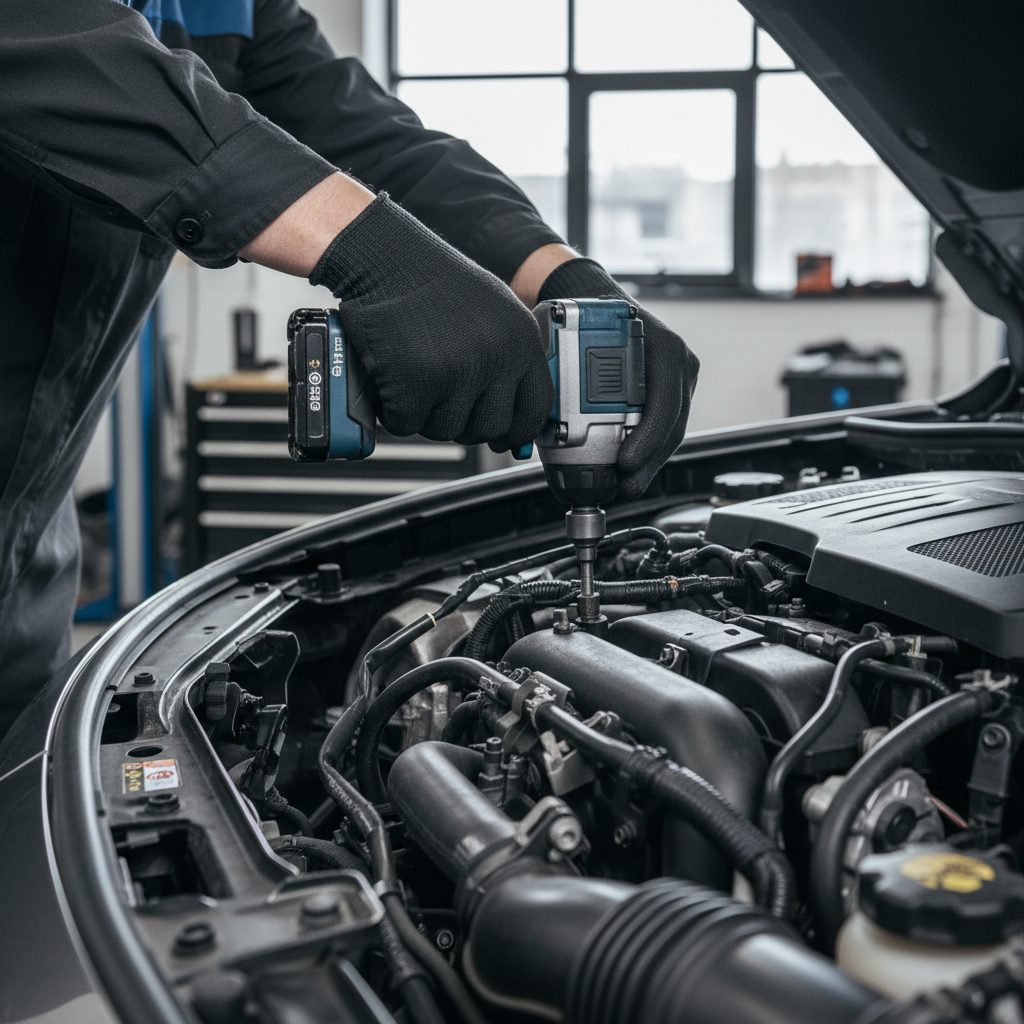
This 2026-oriented guide breaks down what actually matters, how to sanity-check specs, and which features tend to pay off for techs. You’ll also get a quick decision table and a short setup checklist so you can put a new driver to work on day one without relearning bad habits.
What mechanics should prioritize (not just “max torque”)
Impact drivers are built around compromises, and mechanics feel those compromises immediately. The “best” choice usually depends on whether you live in tight spaces, do lots of interior work, or lean on the tool for light suspension tasks.
- Access and balance: head length, grip angle, and overall height decide whether you can reach hose clamps, skid plates, and underbody panels without swapping to a hand tool.
- Control at low torque: a good drive has predictable trigger ramp, multiple speed modes, and ideally a fast-stop or “self-tapping” style mode that prevents overdriving.
- Real fastening workflow: quick bit changes, one-hand forward/reverse, and a work light that doesn’t get blocked by your knuckles.
- Heat management: repeated removals in a row can heat the motor and electronics, some models throttle harder than others.
- Platform fit: if your shop already runs a battery ecosystem, the best impact driver for mechanics often comes from that same line so chargers and packs stay simple.
According to OSHA, power tools require proper guarding and safe use practices, and that includes using the right tool for the right job rather than “making it work” with excessive force. In practice, control features matter as much as output.
Impact driver vs. impact wrench: the line mechanics keep crossing
Many frustrations come from expecting a 1/4-inch hex impact driver to behave like a 3/8-inch or 1/2-inch impact wrench. They overlap, but they are not substitutes.
- Impact driver: excels at screws, small bolts, clamps, shields, interior fasteners, and fast work with bits, adapters, and step sockets.
- Impact wrench: better for lug nuts, axle nuts, big bracket bolts, crank pulleys, and anything that needs sustained breakaway torque.
If you regularly remove lug nuts or suspension hardware, your “mechanic set” usually wants both. The best impact driver for mechanics is the one that stays in your hand for 70% of jobs while the wrench handles the heavy hits.
Spec sheet decoding: what numbers matter and what’s marketing
Specs can still help, but only when you interpret them like a tech, not like a catalog. Here’s what tends to correlate with real results.
Torque ratings (and why they don’t tell the full story)
Manufacturers often list “max torque,” but they don’t always state the fastener size, battery used, or test method. Use torque ratings as a category signal, not a guarantee.
- Everyday automotive fasteners usually benefit from controllable output more than extreme peak torque.
- Stuck or corroded hardware depends on impact frequency, bit engagement, and whether you step up to an impact wrench or use heat and penetrant.
RPM/IPM and trigger feel
Higher RPM helps run long screws and small bolts quickly, but it also increases the risk of overdriving. In the bay, a refined trigger plus multiple modes often beats a slightly higher top speed.
Head length and weight
If you work in tight engine bays, head length can matter more than torque. The tool you can fit is the tool you can use, simple as that.
Quick comparison table: choose a mechanic-friendly configuration
Instead of recommending one “universal winner,” this table maps common mechanic scenarios to the configuration that tends to work best in 2026 tool lineups.
| Typical mechanic use | What to look for | Nice-to-have features | Watch-outs |
|---|---|---|---|
| Undertrays, splash shields, interior fasteners | Compact head, light weight, 2–4 speed modes | Precision mode, soft-start, bright LED | Overpowering can strip plastic clips and small screws |
| Brakes, caliper brackets (light duty), engine accessories | Mid-torque driver, strong bit retention, good cooling | Auto-stop on reverse, quick mode switching | Adapters + sockets increase wobble and can snap bits |
| Rust-belt fasteners, frequent seized bolts | Higher-impact energy driver, robust anvil/collet | Metal gearcase, aggressive impact mode | May still need an impact wrench, heat, or penetrant |
| Mobile mechanic, daily carry | Ergonomic grip, compact footprint, belt hook | USB battery adapter availability, tool tracking | Ultra-compact models can thermal-limit on long sessions |
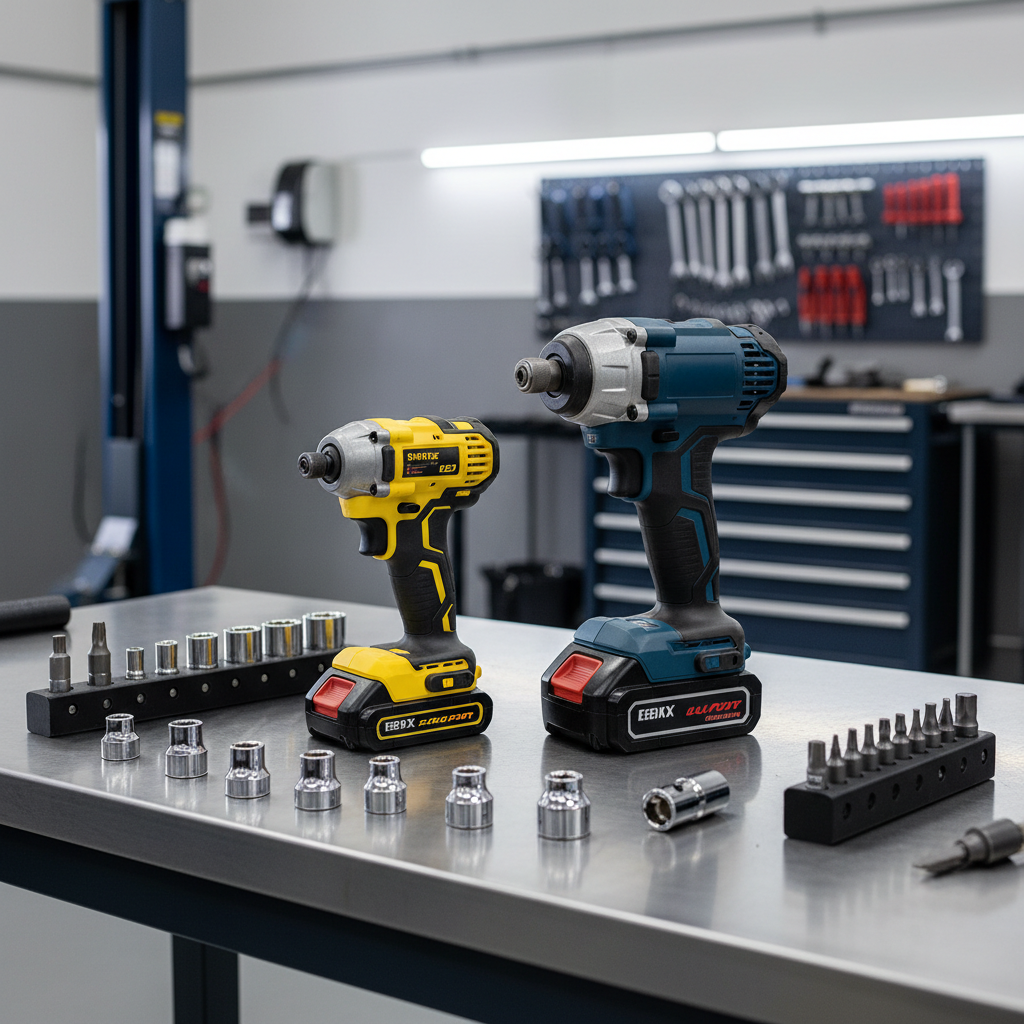
If you’re choosing between two close models, prioritize the one with better low-speed control and shorter head length. Many mechanics end up using the “less powerful” driver more often because it behaves better on mixed hardware.
Self-check: are you buying the right tool for your bay?
This quick list helps you decide whether you need a compact driver, a mid-torque driver, or you’re actually shopping for an impact wrench.
- You should lean compact if most of your work is shields, interiors, clamps, and tight engine-bay access, and you hate swapping to hand tools because the driver won’t fit.
- You should lean mid-torque if you frequently run bracket bolts, do brake jobs all day, and want faster removals without jumping to a wrench every time.
- You should step up to an impact wrench if lug nuts, axle nuts, big suspension bolts, and crank hardware show up weekly, a driver will waste your time and chew bits.
- Your battery platform matters if you already own multiple packs, switching ecosystems often costs more than upgrading within the same line.
Also be honest about your rust reality. If you’re in the salt belt, plan on penetrant, heat, and proper sockets more often, no impact driver fixes chemistry.
Shop-tested setup tips: make an impact driver behave like a mechanic tool
Even the best impact driver for mechanics can feel rough if the setup is wrong. A few small choices usually improve speed and reduce broken bits.
Use the right bits and holders
- Impact-rated bits for repeated removals, standard bits can shatter.
- Short bit holders when access is tight, long extensions add wobble and reduce engagement.
- Quality hex-to-square adapters only when needed, and keep expectations realistic because adapters add slop.
Match mode to fastener size
- Run low mode for plastics, interior screws, small fasteners near sensors.
- Use mid/high mode for underbody bolts and brackets after you confirm the socket or bit seats fully.
- If your driver has an auto-stop or assist mode, test it on scrap fasteners before trusting it on customer cars.
Battery choice changes tool behavior
High-output packs often increase performance, but they also add weight and can make the tool feel nose-heavy. For overhead work or long carries, a smaller pack is easier on your wrist, then swap to a higher-capacity pack when you need repeated pulls.
Safety and common mistakes that cost time (and knuckles)
Impact tools are simple, but they punish sloppy habits. According to NIOSH, hand and power tool injuries often relate to improper use, poor maintenance, or inadequate PPE, so it’s worth treating the basics seriously in a busy bay.
- Stripping fasteners: the driver didn’t “fail,” the bit engagement did. Seat the bit, keep pressure inline, and drop speed for small heads.
- Overconfidence with adapters: hex-to-square adapters can twist, especially with larger sockets. If you feel the adapter wind up, stop and switch tools.
- Chasing torque instead of process: penetrant, wire brushing exposed threads, and the correct socket often beats brute force.
- Ignoring vibration and fatigue: if your wrist starts talking back, rotate tasks, change grip, or switch to a ratchet, repetitive impact use can irritate joints over time.
If you’re unsure about PPE, shop policy, or tool safety requirements, it’s smart to ask a supervisor or safety professional. This is especially true in fleet environments with stricter compliance rules.
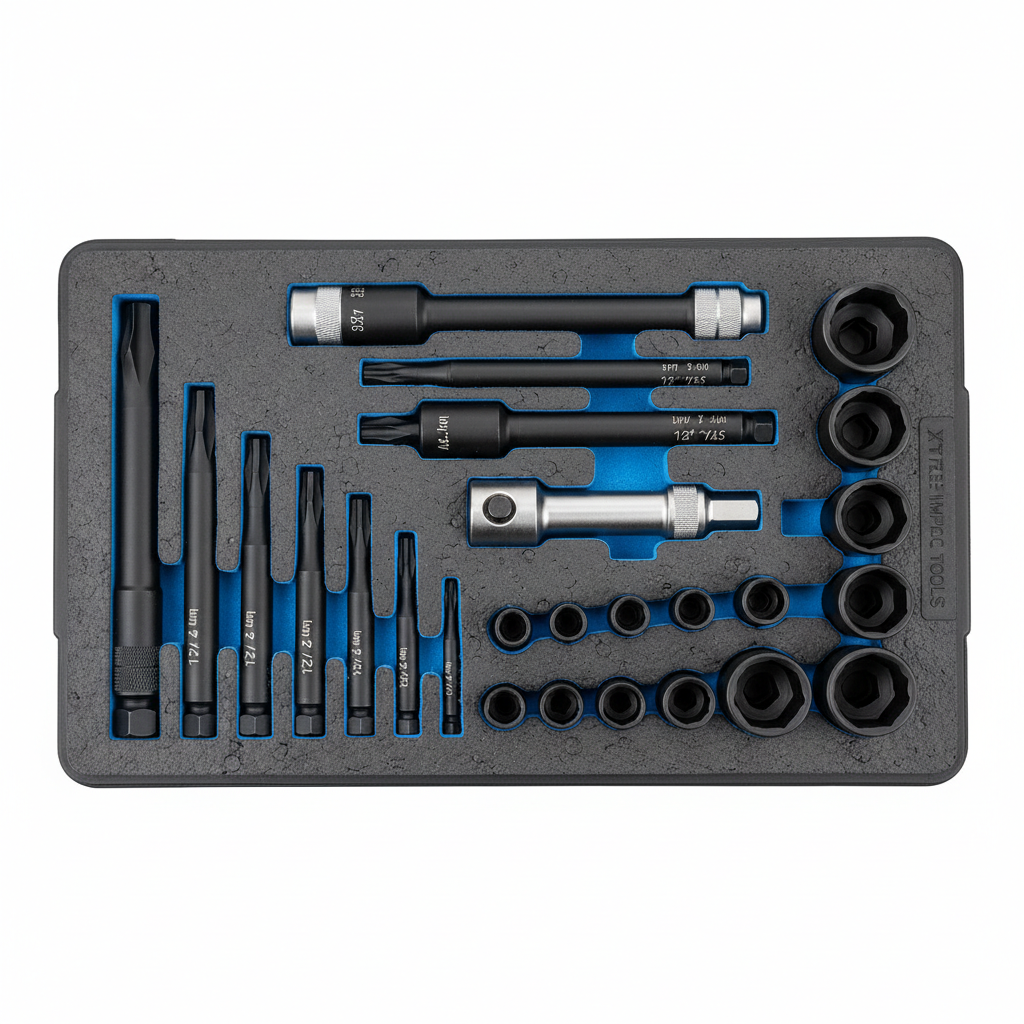
Key takeaways if you want a driver that feels right in a mechanic workflow:
- Compact size and controllable modes usually matter more than peak torque.
- Impact wrench remains the right answer for lugs and heavy suspension work, don’t force a driver to do it.
- Impact-rated consumables save time because they break less and strip fewer heads.
- Battery ecosystem can be the deciding factor if you already own packs and chargers.
Conclusion: a practical way to pick your 2026 driver
If you want a clean decision: choose the most compact model that still has strong mode control and enough power for your daily mix, then confirm your battery platform can support it without adding complexity. For many techs, that’s what “best impact driver for mechanics” really means, the tool you reach for constantly because it fits, behaves, and holds up.
Your next step is simple: write down your top three weekly tasks, check whether access or stripped fasteners frustrate you more, then pick the configuration that solves that problem first. After that, spend a little on bits and holders, it’s the cheapest performance upgrade you’ll buy all year.