
Best pressure washer for home use 2026 usually comes down to one thing people don’t expect: matching the machine to what you actually clean, not chasing the biggest PSI number on the box.
If you’ve ever bought a “powerful” washer that still takes forever on the driveway, or one that feels like it’s about to strip paint off everything, you already know the frustration. Home-use pressure washing is mostly about control, time saved, and not creating new problems like etched concrete or water forced behind siding.
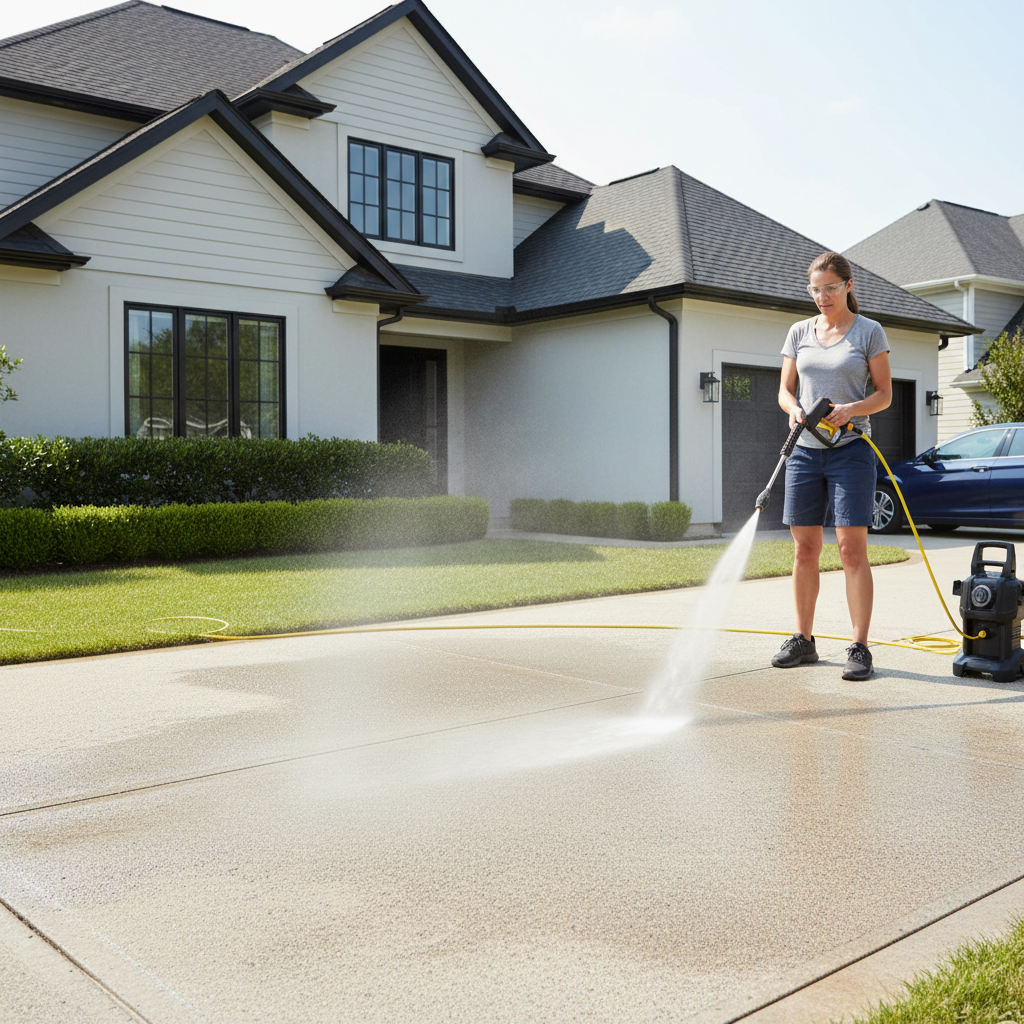
This guide focuses on practical buying criteria for 2026 models, what specs matter (and which are marketing), plus a short “pick-by-scenario” table you can screenshot before you shop.
What “best” really means for home pressure washers in 2026
For most U.S. households, “best” means reliable starts, stable pressure, easy storage, and enough cleaning speed to make you use it more than twice a year. You want power that’s usable, not just impressive.
- Cleaning speed: A balanced PSI and GPM combo cleans faster than high PSI with low flow.
- Surface safety: Lower, controllable pressure with the right nozzle prevents damage.
- Convenience: Lighter weight, better hose management, and quick-connect nozzles matter more than people admit.
- Maintenance: Electric tends to be simpler, gas adds upkeep but brings mobility and higher output.
According to Consumer Reports, pressure washers should be chosen with attention to both cleaning performance and usability features, not only maximum pressure ratings.
PSI, GPM, and “cleaning units”: the specs that actually predict results
Most shoppers fixate on PSI, but the real-world feel comes from PSI and flow rate (GPM). Higher flow helps rinse faster and lift grime more efficiently, especially on broad areas like patios.
- PSI (pressure): Higher can help with stuck-on grime, but too much can scar wood or pit softer materials.
- GPM (flow): Often the difference between “this is taking forever” and “done in 20 minutes.”
- Cleaning Units (CU): Sometimes shown as PSI × GPM. Useful for rough comparisons, not a promise.
A realistic mental model: PSI is the “scrub,” GPM is the “rinse.” For the best pressure washer for home use 2026, you’re usually trying to land in a zone that’s strong enough for concrete but gentle enough for decks with the right tips.
Electric vs gas for home use: quick decision, fewer regrets
Electric pressure washers keep getting better, and for many homes they’re the “buy once, use often” option. Gas still wins when you need higher flow, long run time, or don’t want to deal with cords.
Electric pressure washers (most common for suburban homes)
- Typically quieter and lighter, easier storage in a garage.
- Lower maintenance, no fuel mixing or winterizing carburetors.
- Best for cars, fences, patio furniture, smaller driveways, and routine cleanup.
Gas pressure washers (when you truly need more output)
- More mobility, no GFCI outlet worries, often more GPM.
- Better for large driveways, heavy mildew, big decks, and frequent use.
- More noise, more upkeep, and usually heavier.
According to the U.S. Consumer Product Safety Commission (CPSC), power equipment use involves injury risks, so the easier a unit is to control and handle, the better the odds you’ll use it safely.
Pick-by-scenario: recommended ranges for common home jobs
If you only read one section, make it this. These ranges are “typical safe starting points,” assuming you use the right nozzle and keep distance. Materials vary, so test a small spot first.
| Home Task | Typical PSI Range | GPM Target | What to watch |
|---|---|---|---|
| Car washing | 1200–1900 | 1.2–1.8 | Use wide fan tip, avoid close-range blasts |
| Patio furniture, grills exterior | 1500–2200 | 1.4–2.0 | Paint and coatings can lift if too aggressive |
| Wood deck (cleaning, not stripping) | 1200–2000 | 1.4–2.0 | Fuzzing and gouging happen fast, keep distance |
| Concrete driveway / pavers | 2500–3200 | 2.0–2.5 | Uneven “zebra” lines if you move too slowly |
| Siding (vinyl/fiber cement) | 1500–2500 | 1.6–2.5 | Risk of forcing water behind panels, spray downward |
A quick self-checklist before you buy
Use this to narrow choices fast. Most returns happen because one or two of these were missed.
- Your biggest surface: Mostly driveway/patio, or mostly car and small jobs?
- Power access: Convenient outdoor outlet, or you’ll always run a long cord?
- Storage reality: Can it fit on a shelf, or will it live exposed?
- Water supply: Typical municipal spigot pressure, or low-flow well setup?
- Noise tolerance: Close neighbors and early weekend use often push people to electric.
- Comfort level: If you dislike small-engine upkeep, gas ownership can get old fast.
Key point: If 80% of your jobs are “light maintenance,” a strong electric unit can feel more “best” than a bulky gas machine you avoid pulling out.
Practical buying features that matter more than another 200 PSI
For the best pressure washer for home use 2026, features decide day-to-day satisfaction. Specs get you in the ballpark, but hardware details keep you from fighting the tool.
- Hose length and quality: A longer, kink-resistant hose reduces constant repositioning.
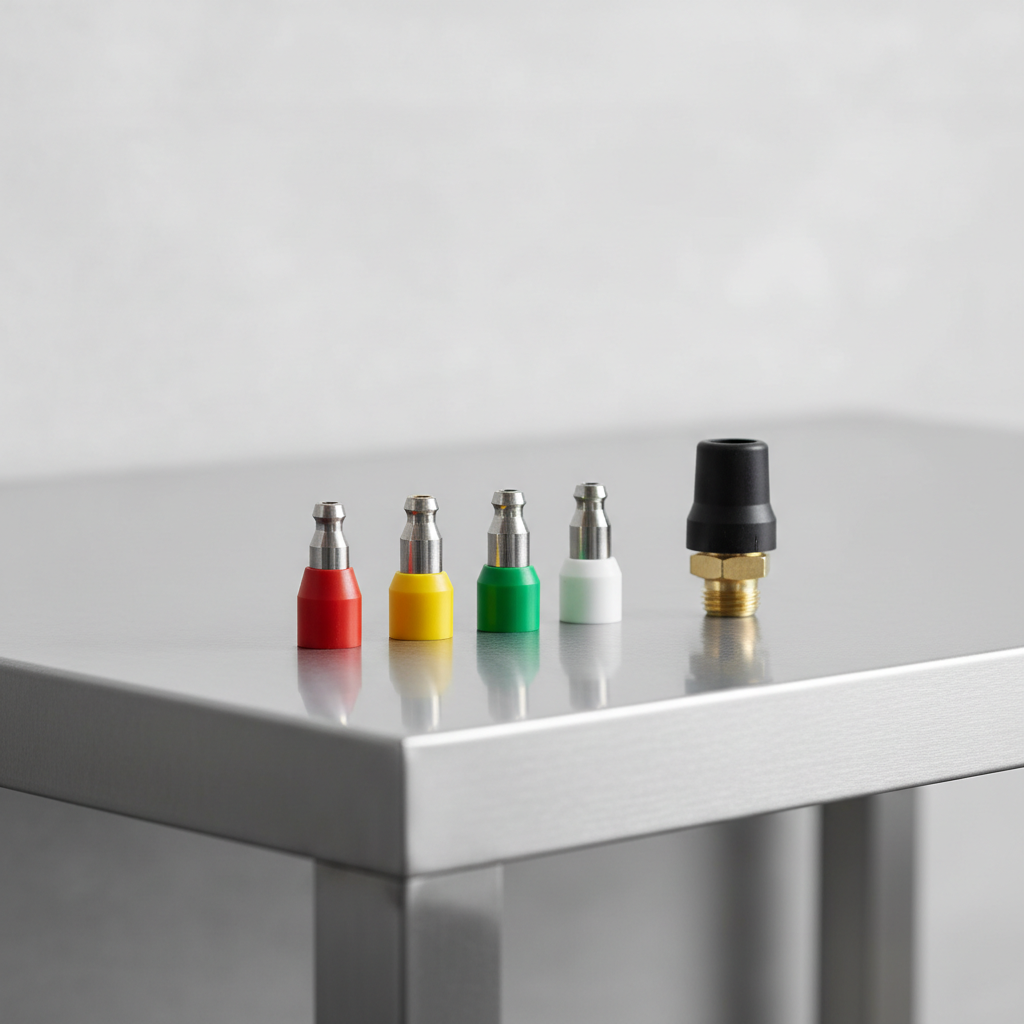
- Quick-connect nozzles: Saves time, encourages using the right spray angle.
- Onboard detergent tank or siphon: Useful for pre-soak, but don’t expect “soap” to replace proper dwell time.
- Wheelbase and handle: Small detail, big difference on rough concrete.
- Warranty and parts access: Especially for pumps, hoses, and guns.
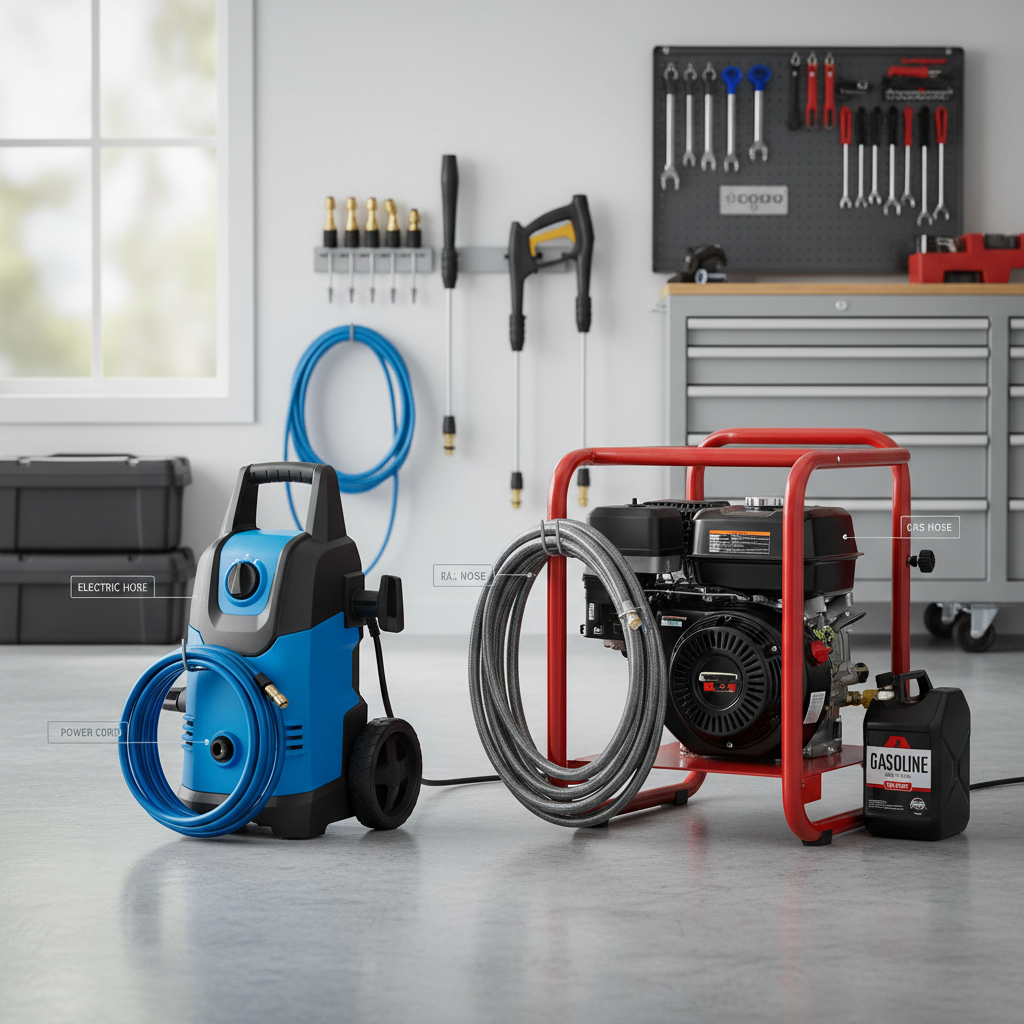
If you’re comparing two similar options, pick the one with better hose management and easier tip storage. It sounds boring, but it’s what keeps the washer from becoming “that annoying thing” in the garage.
How to use a home pressure washer without damaging stuff (simple workflow)
This part saves money. Most surface damage comes from standing too close, using too narrow a tip, or lingering in one spot.
Basic steps that work for most home surfaces
- Start wider: Begin with a 40° tip, move closer only if needed.
- Test a hidden area: Especially on stained wood, painted trim, older concrete.
- Keep motion steady: Overlap passes like mowing a lawn to avoid striping.
- Spray direction matters: On siding, aim downward to reduce water intrusion risk.
- Let detergents dwell: Many cleaners need a few minutes, then rinse thoroughly.
According to OSHA, high-pressure water can cause serious injuries; even for home use, wearing eye protection and closed-toe shoes is a reasonable baseline, and you may want gloves depending on the task.
Common mistakes when shopping (and how to avoid them)
- Buying on PSI alone: You can end up with slow rinsing and longer job times.
- Ignoring electrical requirements: Many electric units perform best on a proper GFCI outlet and suitable extension cord, mismatches can trip breakers.
- Using a 0° tip “because it works faster”: It can etch concrete or cut into wood, save it for very specific needs and careful control.
- Assuming a surface cleaner fits any washer: Many accessories have minimum GPM needs, otherwise they feel weak and streak.
- Skipping winter storage steps: Pump damage from freezing is a common, avoidable headache.
If you’re aiming for the best pressure washer for home use 2026, judge it like a household appliance: does it make the job easier often, or does it demand extra steps every time?
When it’s worth getting professional help
Some jobs look like “just spray it,” but the downside risk is real. Consider a pro if any of these apply.
- Older lead-based paint risk: Disturbing paint on older homes can create hazardous dust; local rules and safe practices vary, and it’s worth asking a qualified professional.
- Roof cleaning: Many roof materials can be damaged by pressure; soft washing approaches are common, and contractors may be better equipped.
- Multi-story exteriors: Ladder plus high-pressure spray becomes a safety issue quickly.
- Stains that keep returning: Deep oil, rust, or algae may need specialty chemicals and containment practices.
Conclusion: a “best for most homes” buying rule you can use today
If you want a simple rule for 2026 shopping: choose enough output for your largest surface, then prioritize control, hose quality, and usability. That combination is what most people mean when they say they found the best pressure washer for home use 2026.
Action steps: write down your top two cleaning jobs, pick a PSI/GPM range from the table, then compare models by hose setup and warranty, not by peak PSI alone.
FAQ
What PSI is best for a pressure washer for home use in 2026?
Many homeowners land in the 1800–3000 PSI range depending on whether the biggest job is cars and patio furniture or concrete. The “best” PSI is the one you can control with the right nozzle without damaging surfaces.
Is an electric pressure washer powerful enough for a driveway?
Often yes for routine dirt and light mildew, especially with a proper fan tip and steady technique. For large or heavily stained concrete, a gas unit with higher GPM can reduce time and streaking.
What matters more, PSI or GPM?
For speed, GPM tends to matter more than most people expect, because it carries away loosened grime and rinses faster. PSI still matters for breaking up stuck-on buildup, but chasing PSI alone can backfire.
Can a pressure washer damage vinyl siding?
It can, mainly by forcing water behind panels or into seams. A wider nozzle, lower pressure, and spraying downward reduces risk, and testing an inconspicuous spot is smart.
Do I need a surface cleaner attachment for concrete?
You don’t need one, but it often improves consistency and reduces “zebra striping.” Just make sure the attachment’s recommended GPM matches your washer, otherwise results may disappoint.
What nozzle should I use for washing a car?
A wider fan nozzle (commonly 40°) is a safer starting point, plus a bit more distance from the paint. Narrow tips increase the chance of paint damage, especially around edges and older finishes.
How do I store a pressure washer for winter?
Drain water, protect the pump from freezing, and follow the manufacturer’s storage steps. Gas units may need fuel stabilization; if you’re unsure, a local service shop can advise based on your climate.
If you’re trying to choose between a few finalists and want a faster call, make a short list of your top surfaces and your outlet/cord situation, then compare only models that match that reality, it’s the quickest path to a purchase you won’t regret.