
Best wood gouge set for carving choices usually come down to one thing: how quickly you can get a clean cut without fighting tear-out, edge rolling, or a handle that hurts after 20 minutes.
If you are shopping for a “set,” it is easy to overpay for duplicates or end up missing the one gouge profile you actually need. A good set should cover the common sweeps and sizes, stay sharp long enough to be enjoyable, and include handles that feel predictable in your hands.
This guide breaks down what matters in 2026, a practical way to compare sets, and how to match a kit to your carving style, from spoons and relief panels to small sculpture work.
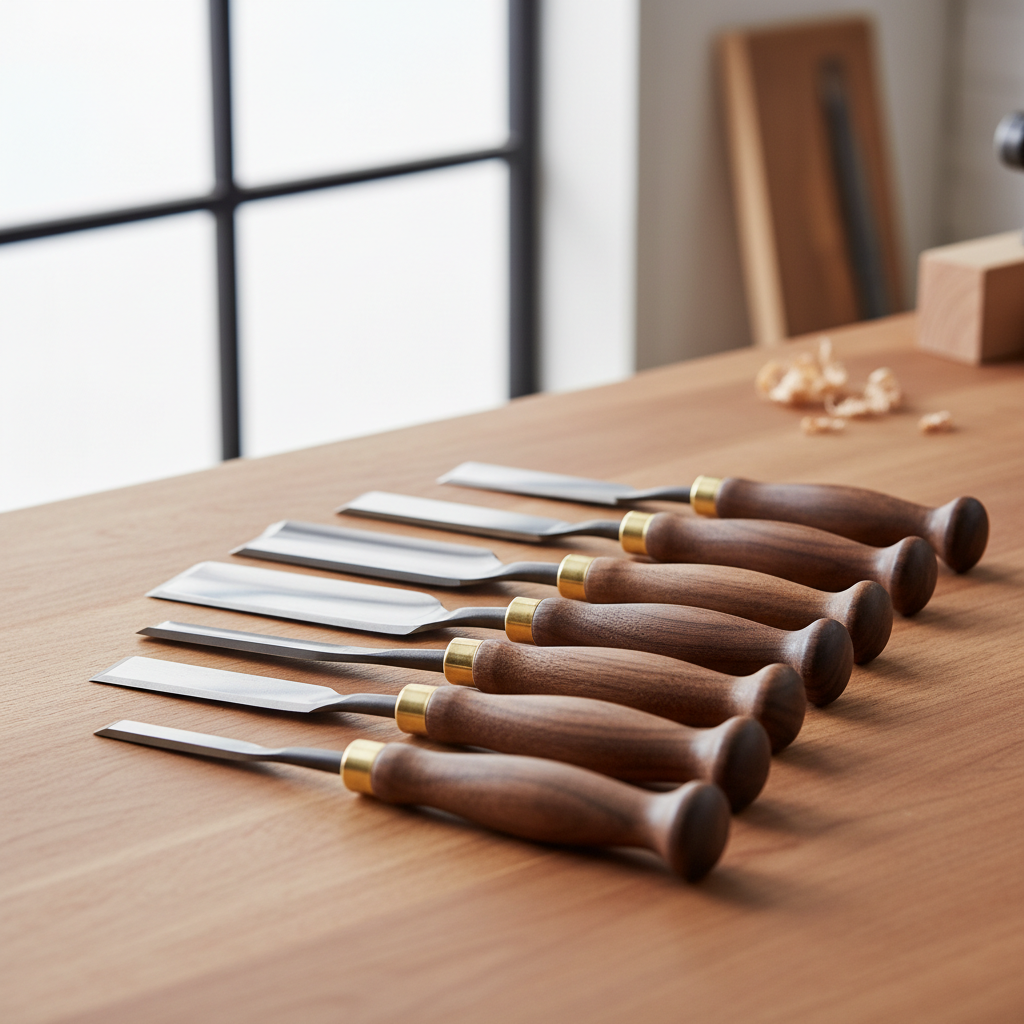
What “best” means for a wood gouge set (it depends on your projects)
Not every carver needs the same mix. A relief carver might live on a #3 and #5 sweep, while a bowl or spoon carver may want deeper sweeps and a couple of tighter radii for transitions.
- Relief carving: medium sweeps (#3–#7), narrower widths for detail, plus a V-tool.
- Small sculpture: a wider spread of sweeps, including deep (#8–#11), and smaller sizes for tight spots.
- Green wood / spoons: many people prefer hook knives, but gouges still help for facets and shaping; durability matters more than mirror polish.
- Beginner learning fundamentals: fewer tools, better steel, and easy sharpening beats a big bundle of “okay” edges.
So when someone searches best wood gouge set for carving, they often mean “a set that covers my work without frustration.” That is the lens to use.
Key specs that actually affect carving results
Marketing tends to focus on piece count. In real use, edge behavior and geometry matter more, especially if you carve hardwoods or do long sessions.
Steel type and heat treatment
Most reputable carving gouges use high-carbon steel or tool steels that balance sharpness and toughness. The same steel can perform very differently depending on heat treatment, which is why brand reputation matters. According to The American Woodcarving Association (AWA), sharp tools and proper maintenance are central to control and safety, and steel quality affects how often you need to resharpen.
Sweep and width
Sweep is the curve profile, width is the cutting edge size. A “complete” set is not one that has every size, it is one that includes the sweeps you reach for repeatedly.
Bevel angle and edge prep
Many sets ship “factory sharp,” which can mean usable but not optimized. A slightly refined edge can dramatically change feel, especially on end grain. Plan on honing and stropping even with a premium kit.
Handle shape and tang strength
For mallet work, you want a robust tang or socket construction and a handle that will not split easily. For palm carving, you want compact handles that support controlled pressure.
Quick comparison table: how to choose a set without overthinking
Use this as a fast filter. It will not replace hands-on feel, but it prevents the common “wrong kind of set” purchase.
| What you value most | Look for in a gouge set | Common trade-off |
|---|---|---|
| Less sharpening, cleaner cuts | Reputable heat treatment, consistent edge geometry | Higher upfront cost |
| Comfort for long sessions | Ergonomic handles, sizes you actually grip often | Fewer pieces in the box |
| Relief carving versatility | #3–#7 sweeps, narrow widths, V-tool included | Deep sweeps may be missing |
| Sculpture and shaping | Mix of medium and deep sweeps (#5–#11) | May include less-used profiles |
| Budget starter kit | Smaller set, decent steel, no “filler” tools | More frequent honing |
Self-check: do you need a set, or just 3–5 great gouges?
A full set feels reassuring, but many carvers end up using a small core. If you are torn, run this quick check.
- You probably want a set if you are still exploring styles, you take classes, or you switch between relief and small sculpture.
- You probably want a smaller “core kit” if you already know your work type, or you want premium steel without paying for extras.
- You should pause and measure if you only carve occasionally; a modest kit plus a good strop can be more satisfying than a large box.
Practical hint: list your last two projects and write down where you got stuck. If the answer is “I needed a tighter curve” or “I could not reach that corner,” then sweep selection matters more than piece count.
Recommended set “profiles” for 2026 (match the set to your workflow)
I am not going to pretend there is one universal winner, because the best wood gouge set for carving changes with your goals and sharpening habits. What does work is picking a profile that matches your use.
Profile A: Relief-focused set (most people’s day-to-day)
- 6–10 gouges centered around medium sweeps (#3–#7)
- Widths that include at least one narrow detail gouge
- V-tool for outlining and separating planes
- Handles suitable for light mallet taps
Profile B: Sculpture/shaping set (deeper sweeps included)
- Mix of #5–#11 sweeps, including at least one deep gouge for scooping
- A couple of smaller widths for transitions and undercuts
- Edge toughness for hard woods, since deeper cuts load the edge more
Profile C: Compact premium kit (small but serious)
- 3–5 gouges you will actually use weekly
- Better steel and better consistency, fewer “just in case” tools
- Pairs well with a simple sharpening setup
Whichever profile you choose, plan for sharpening consumables. According to USCPSC safety guidance related to cutting tools in the home, reducing slip risk and maintaining control are key safety themes; in carving, sharp edges and stable workholding tend to support that goal.
How to test a gouge set when it arrives (10-minute reality check)
This is the part many people skip, then blame their technique for what is really an edge or geometry issue.
- Visual check: look for consistent grind lines and no obvious flat spots on the edge.
- Fingertip “bite” test, carefully: very lightly feel whether the edge grabs. If you are unsure, skip this and go straight to paper or end grain testing.
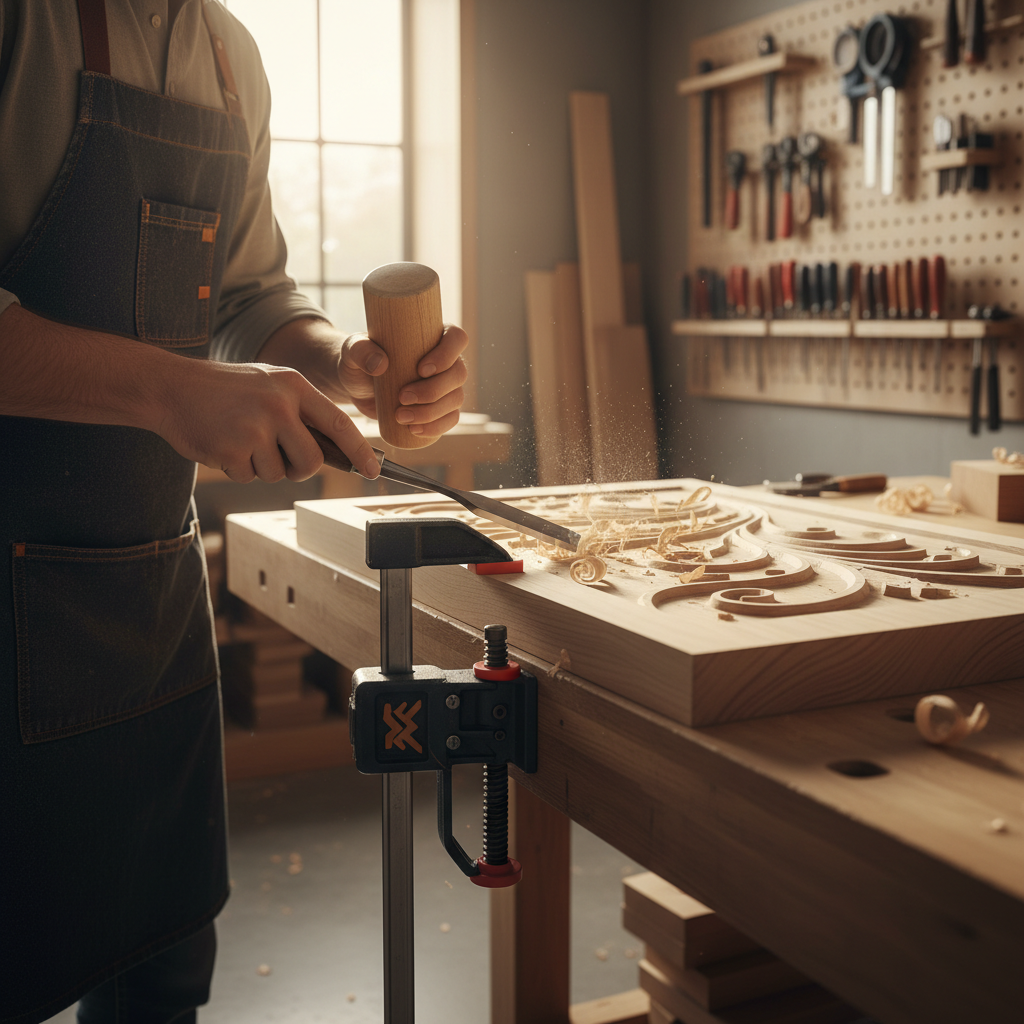
- End grain slice: on scrap wood, the edge should cut without crushing fibers. If it chatters, you may need honing or a different bevel angle.
- Handle comfort: grip for 2 minutes and mimic your common motion. Hot spots now become pain later.
- Edge retention sanity check: make a dozen controlled cuts, then see if performance drops quickly. Rapid dulling can happen with cheaper steel or a rough factory edge.
If results are “almost good,” a proper hone and strop often changes everything. If results are bad across multiple tools, consider returning the set rather than grinding for hours.
Sharpening and maintenance: the part that makes any set feel expensive
The fastest way to make a midrange set outperform a pricier one is consistent maintenance. You do not need a complicated station, you need repeatable angles.
A simple maintenance routine
- Before carving: quick strop, especially if the gouge sat for a while.
- During carving: strop when cuts start feeling “pushy,” not when the edge feels dead.
- After carving: wipe the blade, add a light rust preventative if your shop gets humid.
Sharpening tools that usually cover most gouge sets
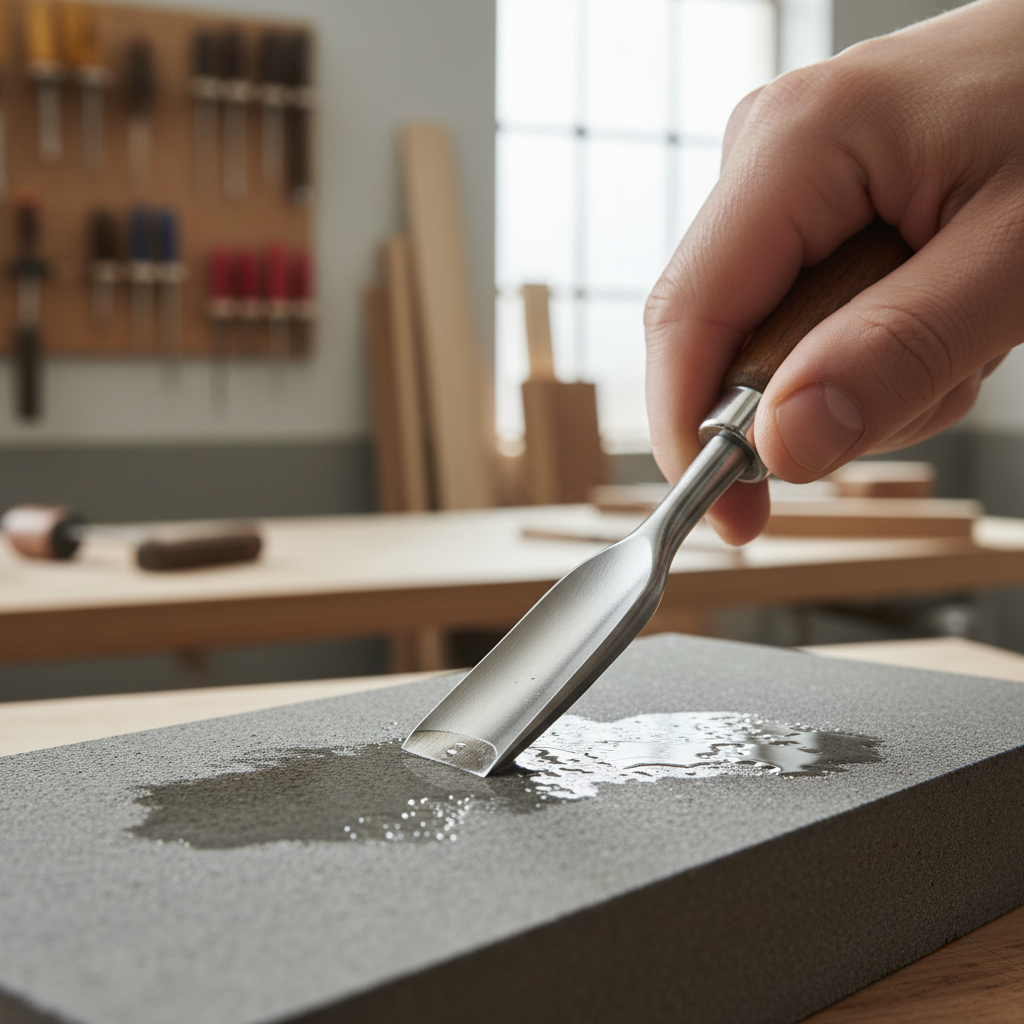
- Bench stones or diamond plates for the primary bevel
- Slipstones matched to common sweeps for the inside curve
- Leather strop plus compound for quick edge refresh
If you are new, watch out for one common trap: over-polishing the outside bevel while neglecting the inside. That imbalance can make a gouge feel sharp but cut poorly.
Common mistakes when buying the best wood gouge set for carving
- Buying too many pieces: extra profiles feel like value, but can become clutter if the steel and grinds are average.
- Ignoring sweep coverage: five similar medium sweeps do not replace one deep gouge when you need it.
- Assuming “factory sharp” means ready: many edges improve after a quick tune-up.
- Mismatching handles to technique: palm handles for mallet work, or long bench handles for tiny detail, both create control issues.
- Skipping safety basics: carving gloves and thumb guards can help, but workholding and cut direction matter more. If you have recurring slips, a class or coach may be worth it.
Conclusion: pick a set that fits your cuts, then invest in sharpness
If you want one practical takeaway, it is this: the best wood gouge set for carving is the one with the right sweeps for your projects, steel that holds an edge reasonably well, and handles you can use without fighting your grip.
Action steps: write down your main project type, choose a set profile that matches it, then budget for a strop and at least one slipstone so the tools stay fun to use.
FAQ
- What sweeps should a beginner look for in a wood gouge set?
Many beginners do well with medium sweeps used in relief work plus a V-tool, because they teach control and cover a lot of common cuts without feeling “wild.” - Is a 12-piece set always better than a 6-piece set?
Not usually. A smaller set with better steel and more useful sweeps often feels like an upgrade, especially if you prefer learning a few tools deeply. - How do I know if my gouges are too dull or my technique is off?
If the edge crushes fibers on end grain, requires much more force than before, or starts skating, dullness is likely. If it is only misbehaving in one specific cut, technique or grain direction might be the issue. - Do I need a mallet for gouge carving?
It depends on scale and wood species. Many relief carvers use light mallet taps for control, while detail and palm carving often stays hand-pushed. - Can I carve hardwoods with budget gouge sets?
You can, but expect more frequent honing and a higher chance of edge rolling. If you carve hardwoods often, steel quality and heat treatment become more important. - What is the difference between carving gouges and turning gouges?
Turning gouges are designed for lathe forces and tool rests, carving gouges for hand control and different bevel geometry. Mixing them can work in some cases, but it is not a clean swap. - What sharpening angle should I use for carving gouges?
Many carving gouges run in a moderate range, but the “right” angle varies by tool and wood. If you keep chipping edges, try a slightly stronger angle or consult a sharpening instructor.
If you are still stuck between two sets, a good shortcut is to list the sweeps and widths included, then compare that list to the cuts you make most. If you need a more hands-off path, look for a curated kit aligned to your carving style plus a simple sharpening bundle, it usually saves time and second-guessing.