
The best grease fitting tool for zerk fittings is the one that matches your grease gun style, the space you can actually reach, and how often you service equipment, because “best” changes quickly between a skid steer, a mower deck, and a shop press.
If you have grease blowing back, couplers that won’t stay locked, or fittings you can’t even get a straight shot at, you’re not alone. Most people don’t need “more grease”, they need better control at the connection point.
This guide helps you pick a tool that solves the real pain points: locking onto stubborn zerks, working around tight clearances, and avoiding mess or wasted grease. I’ll also point out the traps that make a good tool feel bad, like mismatched couplers or a clogged fitting.
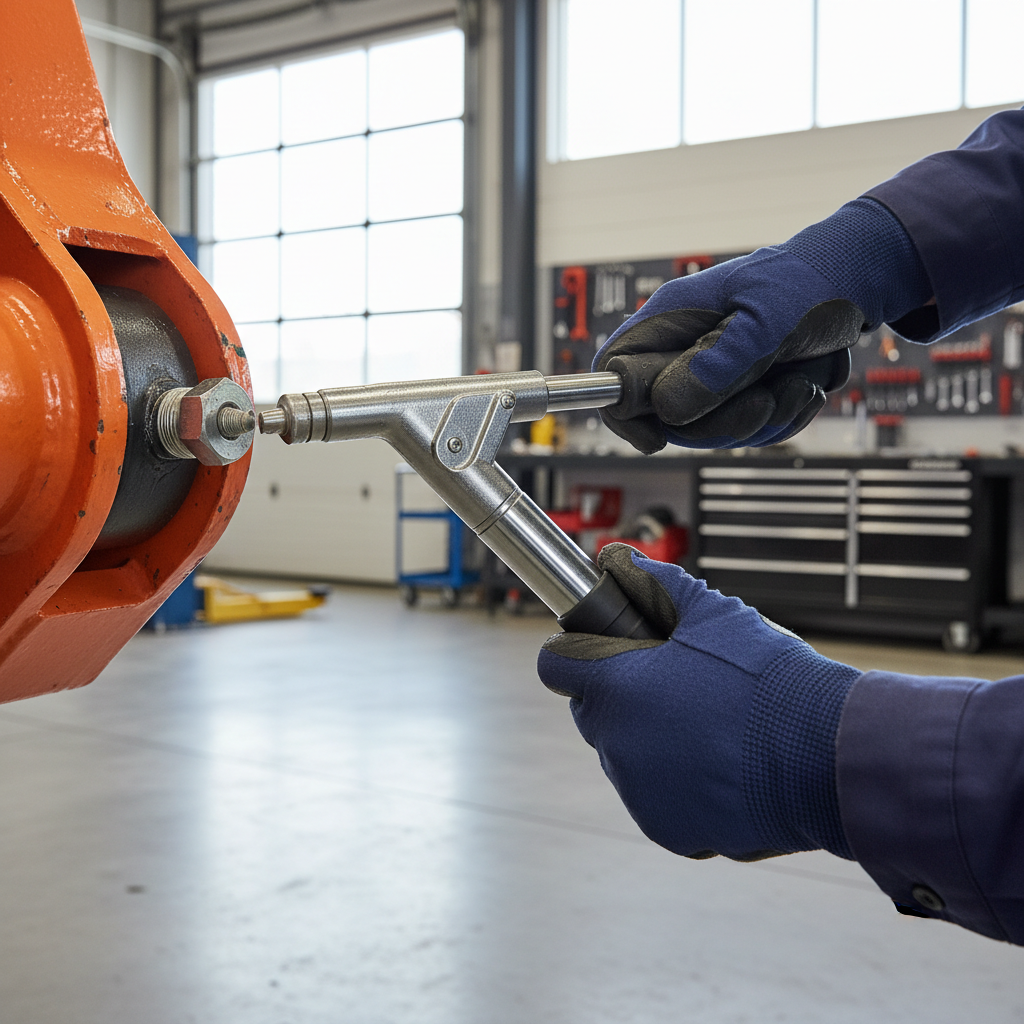
What “grease fitting tool” usually means (and what to buy)
People search “grease fitting tool” and mean a few different things. Sorting this out up front saves money and frustration.
- Grease gun coupler: the business end that locks onto the zerk. This is where most upgrades matter.
- Needle nose adapter: for bearings or flush fittings where a standard coupler won’t seal well.
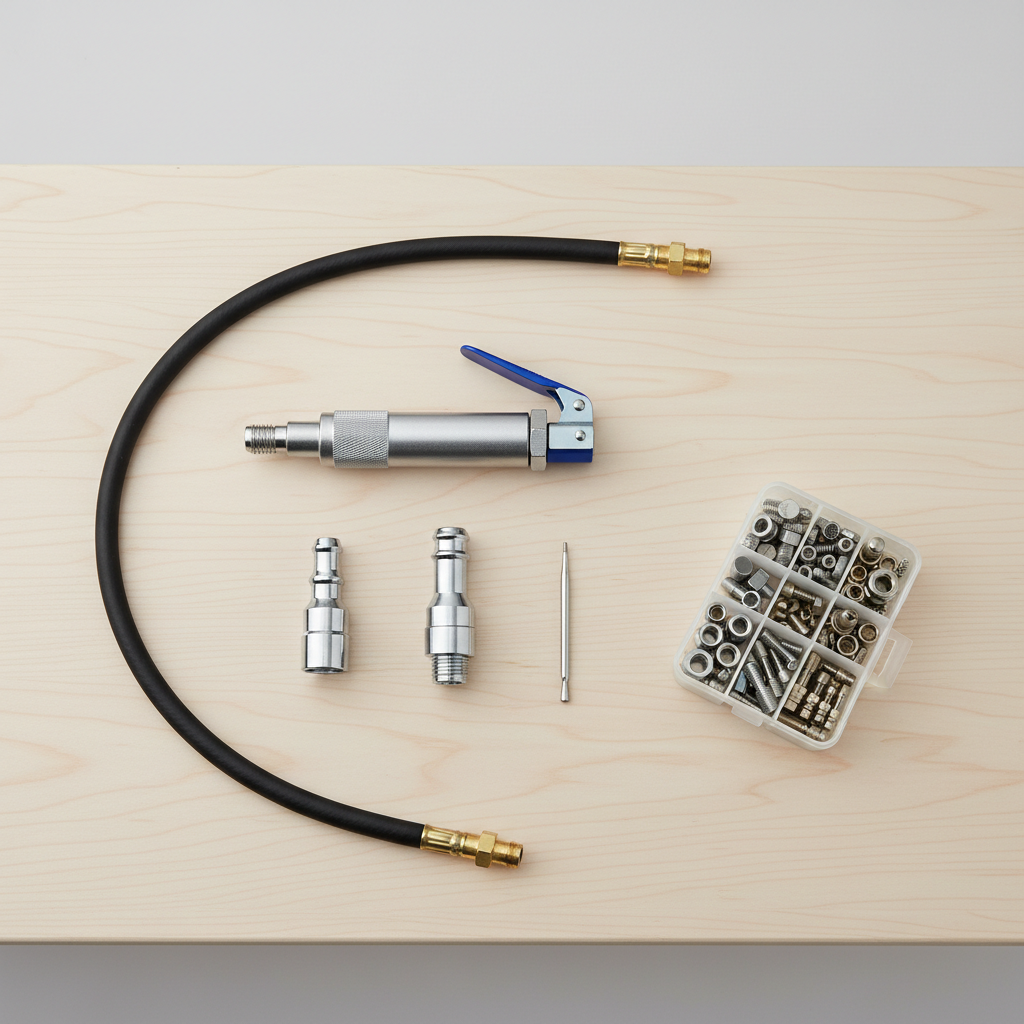
- Flex hose / whip hose: gives you reach and angle control, often the cheapest “problem solver.”
- 90° or 45° adapter: for fittings tucked behind brackets or in chassis corners.
- Grease fitting (zerk) service tools: small tools for cleaning, replacing, or protecting zerks, useful but not the first thing to upgrade.
If you only buy one improvement, it’s usually a quality locking coupler that matches your grease gun and zerk type. That choice alone can cut leaks and “won’t latch” moments.
Quick comparison table: which tool fits which situation
Here’s a practical way to narrow down options without overthinking it.
| Situation | Tool to prioritize | Why it helps | Watch-outs |
|---|---|---|---|
| Coupler pops off, grease sprays | Locking coupler (jaw-style) | More consistent clamp force | Check thread size and gun pressure |
| Zerk sits in a tight pocket | Flex whip hose + 90° adapter | Lets you approach at an angle | Extra joints can seep if loose |
| Old, painted, dirty fittings | Zerk cleaning pick + cap kit | Improves sealing and reduces clogs | Don’t gouge the ball check |
| Need to avoid over-greasing | Metered grease gun or control-valve handle | Better dose control per stroke | Still need correct relief/venting |
| Flush or specialty fittings | Needle adapter / conical tip | Creates a seal on non-zerk points | Not a replacement for a coupler |
How to choose the best grease fitting tool for zerk fittings
When people get disappointed, it’s usually because they bought a “better” coupler but ignored compatibility, clearance, or the condition of the fitting. This checklist keeps it grounded.
1) Match the connection: threads, gun type, and coupler style
- Thread compatibility: Many couplers use common threads, but not all. Confirm what your hose end uses before ordering.
- Standard vs. locking: A locking coupler can stay attached with less hand force, helpful on awkward zerks.
- Manual vs. lever-lock: Lever styles can be fast, but can also be bulky in tight spaces.
2) Plan for clearance, not just grip
- If you can’t align the coupler square to the zerk, grip won’t matter much.
- A 12–18 inch whip hose often changes the game more than another coupler upgrade.
- Low-profile couplers exist, but they vary in how easily they release under pressure.
3) Don’t ignore pressure and flow behavior
A coupler that “won’t come off” is sometimes a release issue from trapped pressure, not bad design. According to OSHA guidance on machine servicing, controlling hazardous energy and pressure before maintenance can reduce injury risk, so treat grease pressure as something to manage, not fight.
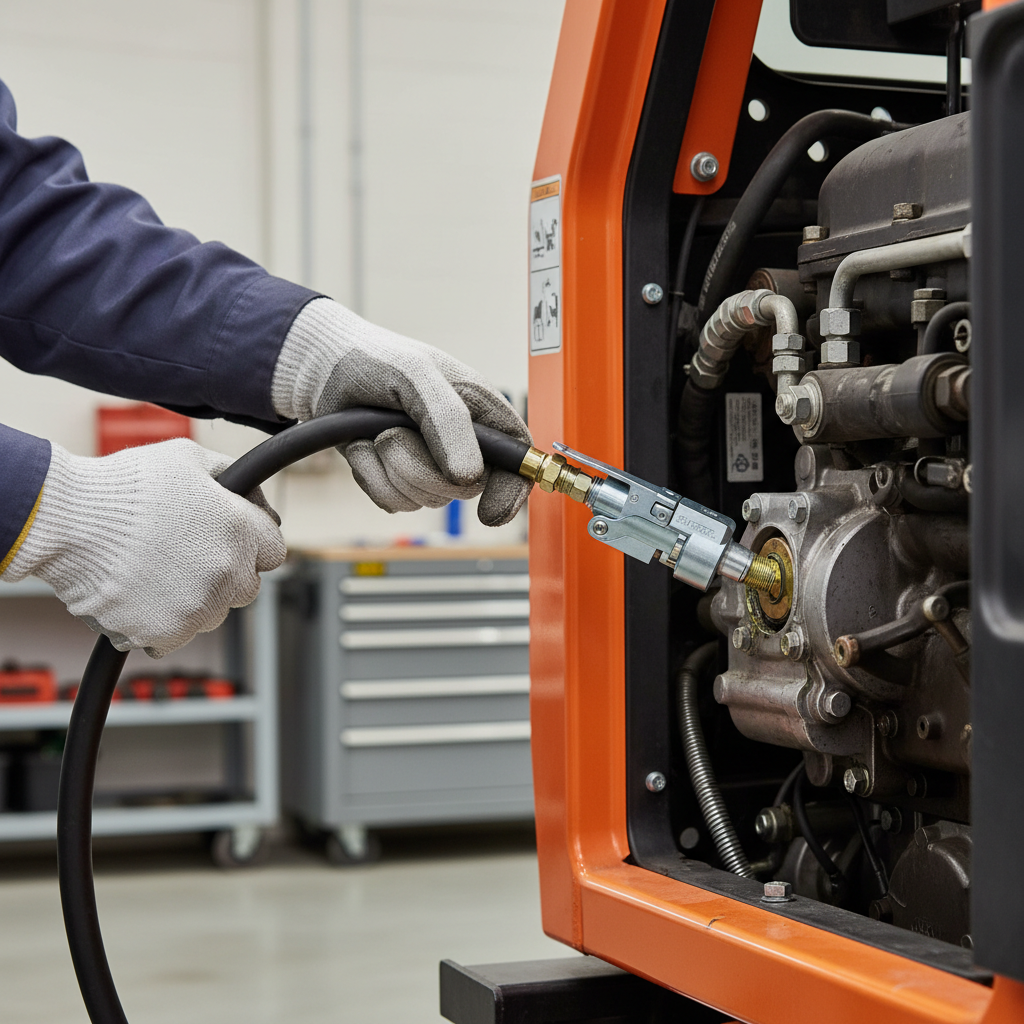
Common reasons grease tools “don’t work” (it’s often not the tool)
If you’ve tried multiple couplers and still fight every fitting, step back. These are the usual culprits in real shops and driveways.
- Clogged zerk: dried grease or debris blocks the check ball, so grease backs up and the coupler slips.
- Worn or damaged zerk head: rounded edges give the jaws nothing to bite.
- Wrong angle: even a great coupler struggles when it’s sideways on the fitting.
- Gun pressure trapped: you finish pumping, then try to pull off without relieving pressure.
- Fitting takes grease but bearing can’t vent: grease has nowhere to go, so pressure spikes fast.
This is why the best grease fitting tool for zerk fittings often ends up being a small “system”: locking coupler plus whip hose, and a plan for stubborn zerks.
Self-check: what you should diagnose in 60 seconds
Before you buy anything, run this quick check on the worst fitting you own.
- Does the coupler latch firmly when perfectly straight? If yes, your issue is likely clearance or angle, not grip.
- Do you see grease coming from the coupler mouth? That points to a poor seal, worn jaws, or a damaged zerk.
- Can you pump at all? If no, suspect a clogged fitting or blocked passage.
- Does it release only after you crack the gun or bleeder? That’s trapped pressure behavior.
- Is the zerk head visibly chewed up? Replacement is usually faster than wrestling it.
If two or more of these show up at once, tools help, but zerk condition and access tend to be the real fix.
Practical setup options (by user type)
Different buyers want different outcomes: less mess, more speed, or access in ugly spots. Here are setups that usually make sense.
Weekend DIY / homeowner
- Locking coupler (good sealing, easy release)
- Short whip hose
- Basic 90° adapter for the one impossible fitting
This setup keeps spending reasonable and solves 80% of the typical mower, trailer, and small tractor pain.
Farm, fleet, or heavy equipment
- Durable locking coupler + spare seals/jaws if available
- Whip hose plus a longer flex hose for reach
- Angle adapters (90° and 45°) stored with the gun
- Zerk caps for exposed fittings in mud and grit
Here, downtime costs more than the accessories, so redundancy matters.
Shop techs who grease all day
- Two guns: one with standard coupler, one with locking coupler, so you stop swapping tips
- Inline swivel or rotating coupler if wrist angles get annoying
- Organized kit for replacement zerks and thread sizes you see most
At higher volume, speed comes from reducing tool changes, not from muscling a single “perfect” coupler.
Hands-on tips: getting a stubborn zerk to take grease
These steps are simple, but the sequence matters more than people expect.
- Clean first: wipe the zerk head so grit doesn’t get pushed inside.
- Get square: align the coupler straight, then lock it, then start pumping.
- Start slow: a gentle first stroke helps the seal set before pressure builds.
- Relieve pressure before removing: if your gun has a bleeder, use it, otherwise back off carefully and keep hands clear.
- Replace if damaged: if the head is rounded or won’t hold a coupler, swapping the fitting can be the fastest win.
According to NLGI, grease selection and relubrication practices depend on application and environment, so if you suspect you’re using the wrong grease type or mixing incompatible products, it may be worth verifying the OEM recommendation before forcing more grease into the joint.
Mistakes to avoid (the stuff that wastes time)
- Buying a bulky coupler for a tight machine: it may seal great, but never physically fit where you need it.
- Assuming “higher pressure” fixes everything: it often makes leaks messier and can stress seals.
- Greasing through dirt: you can turn a lubrication job into a wear problem.
- Ignoring release technique: yanking the coupler off under pressure chews up the zerk and your patience.
- Chasing one magic tool: in many cases the best combo is coupler + hose + one angle adapter.
When you should get professional help
If a fitting won’t accept grease and you suspect a blocked passage inside a pin, bushing, or bearing housing, forcing it can cause seal damage or push contamination deeper. For expensive equipment, or if you’re dealing with a safety-critical joint, it’s reasonable to consult a qualified mechanic, especially when parts must be disassembled to clear hardened grease.
Key takeaways and what to do next
If you want one clean decision, start with access: buy for the fittings you struggle to reach, then choose the coupler that seals consistently on your zerks. The best grease fitting tool for zerk fittings is usually a small kit, not a single hero part.
- Most users: locking coupler + whip hose solves the majority of leaks and pop-offs.
- Tight machines: add a 90° adapter before you blame the coupler.
- Chronic failures: inspect and replace damaged zerks, and confirm you can relieve pressure to release cleanly.
Pick one “problem fitting” and rebuild your setup around it, you’ll feel the difference immediately, and the rest of your lubrication points become easier by default.
FAQ
What is the best grease fitting tool for zerk fittings if my coupler keeps leaking?
A quality locking coupler is usually the first upgrade, but leaks can also come from a damaged zerk head or a coupler that isn’t aligned square. Clean the fitting, re-seat straight, then decide whether the zerk needs replacement.
Why won’t my grease gun coupler stay on the zerk?
Most of the time it’s either the wrong angle, a worn zerk, or pressure spike from a blocked joint. A whip hose helps you stay straight, and a locking coupler can reduce slip when you can’t hold steady.
Do I need a 90-degree adapter for zerk fittings?
Only when clearance forces a side approach. If you can’t get the coupler straight, a 90° or 45° adapter is often cheaper and more reliable than trying three different couplers.
How do I remove a locking coupler that seems stuck?
It’s often trapped pressure. Try relieving pressure at the gun if your model supports it, then release the coupler. If you’re unsure, slow down and keep hands away from the fitting path, sudden release can pinch.
Is a needle grease fitting adapter a replacement for a zerk coupler?
Not really. Needle adapters are for points that don’t use standard zerks or where you need to seal against a small opening. For typical zerk fittings, a coupler remains the main tool.
How can I tell if the zerk fitting is clogged or the tool is bad?
If the coupler latches well and you still can’t pump grease, suspect a clogged fitting or blocked passage. If grease sprays back around the mouth immediately, suspect sealing or zerk damage.
Can the wrong grease cause greasing problems at the zerk?
It can, especially when incompatible greases mix and thicken. If you recently switched grease type and problems started, checking OEM guidance is smart, and for high-value equipment, asking a professional can save time.
If you’re trying to build a more dependable setup without buying a whole new grease gun, a small kit with a locking coupler, a whip hose, and one angle adapter is often the most “feel it on day one” improvement, and it stays useful even when you upgrade tools later.