
Box cutter safety retractable choices matter most when you open packages every day, because most injuries happen in the boring moments: a dull blade, a rushed pull, a box that collapses under pressure.
If you manage a stockroom, run an e-commerce operation, or just break down a lot of deliveries at home, a safer cutter is not about being “careful,” it’s about setting up a tool that fails in a safer way when your hand slips or your attention drops for a second.
This guide helps you decide what “safe” actually means in a retractable box cutter, how to match features to your workload, and how to build a quick routine that reduces cuts without slowing you down.
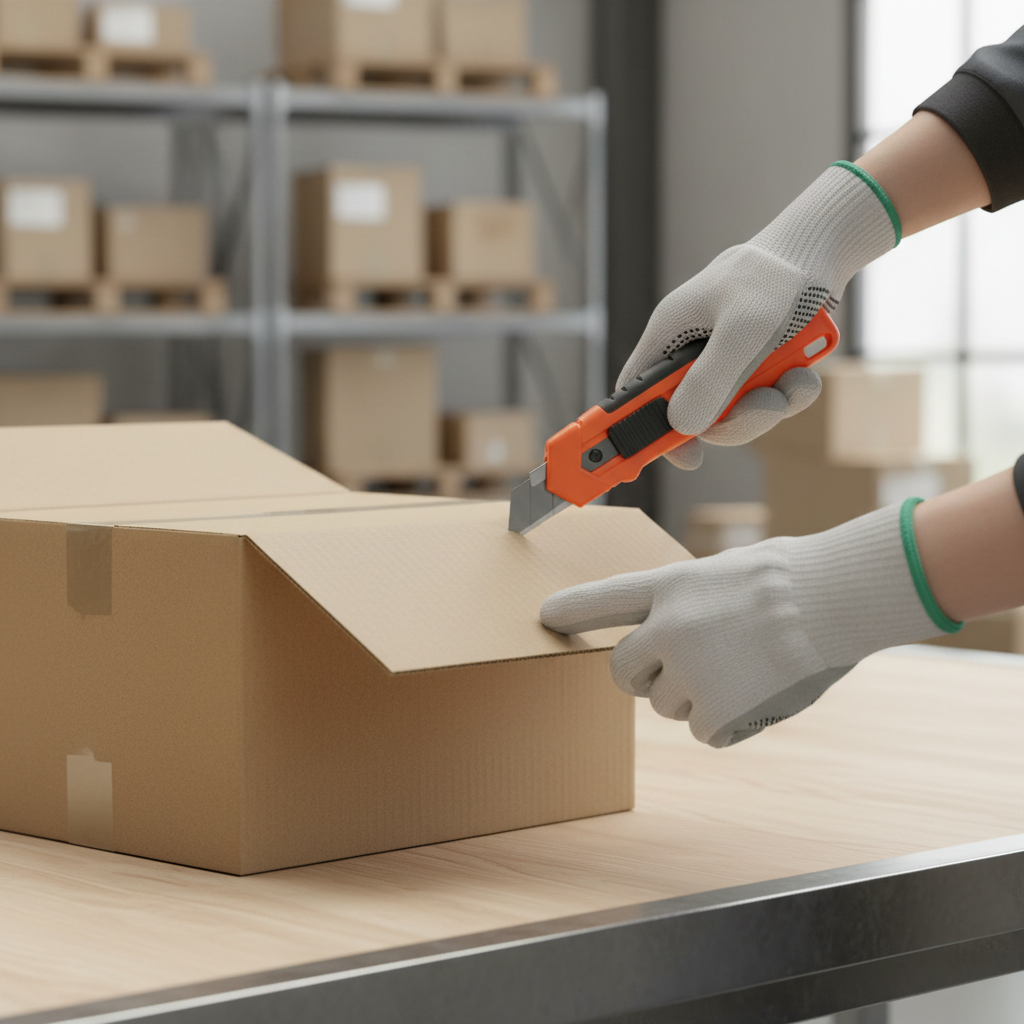
What “safety retractable” really means for a box cutter
“Retractable” sounds straightforward, but there are a few different mechanisms that affect risk in real use. The safest option for many workplaces is usually the one that retracts the blade automatically when you release pressure, not the one that simply lets you slide the blade back manually.
- Manual retract: you extend the blade and you also retract it. Safer than a fixed blade, but still depends on habits.
- Auto-retract: the blade springs back when your thumb comes off the slider, or when you stop cutting. This reduces “blade left out” incidents.
- Smart/pressure-sensing retract: the blade retracts when it loses contact with the material. Helpful when cutting straps or thin film where the blade can pop free.
According to OSHA, employers are expected to identify workplace hazards and use feasible controls, which often includes selecting safer tools when practical. That’s one reason safety cutters show up so often in warehouse and receiving standards.
Why cuts happen when opening packages (even to careful people)
Most box-cutter injuries are not mysterious. They usually come from one of these patterns, and the tool choice can either reduce or amplify each one.
- Dull blade drift: dull edges require more force, then the blade jumps when it finally bites.
- Over-extension: a blade set too far out slices product, bands, or your other hand when the box gives way.
- Twisting cuts: people “steer” mid-cut, the blade binds, then slips sideways.
- Cutting toward the body: common when trying to open a seam fast or when space is tight.
- Hidden obstructions: staples, thick tape buildup, double-wall corrugate, plastic strapping.
In many settings, the bigger issue is not one dramatic mistake, it’s repetition: hundreds of cuts per shift, then fatigue. A box cutter safety retractable design helps because it reduces the penalty for small lapses.
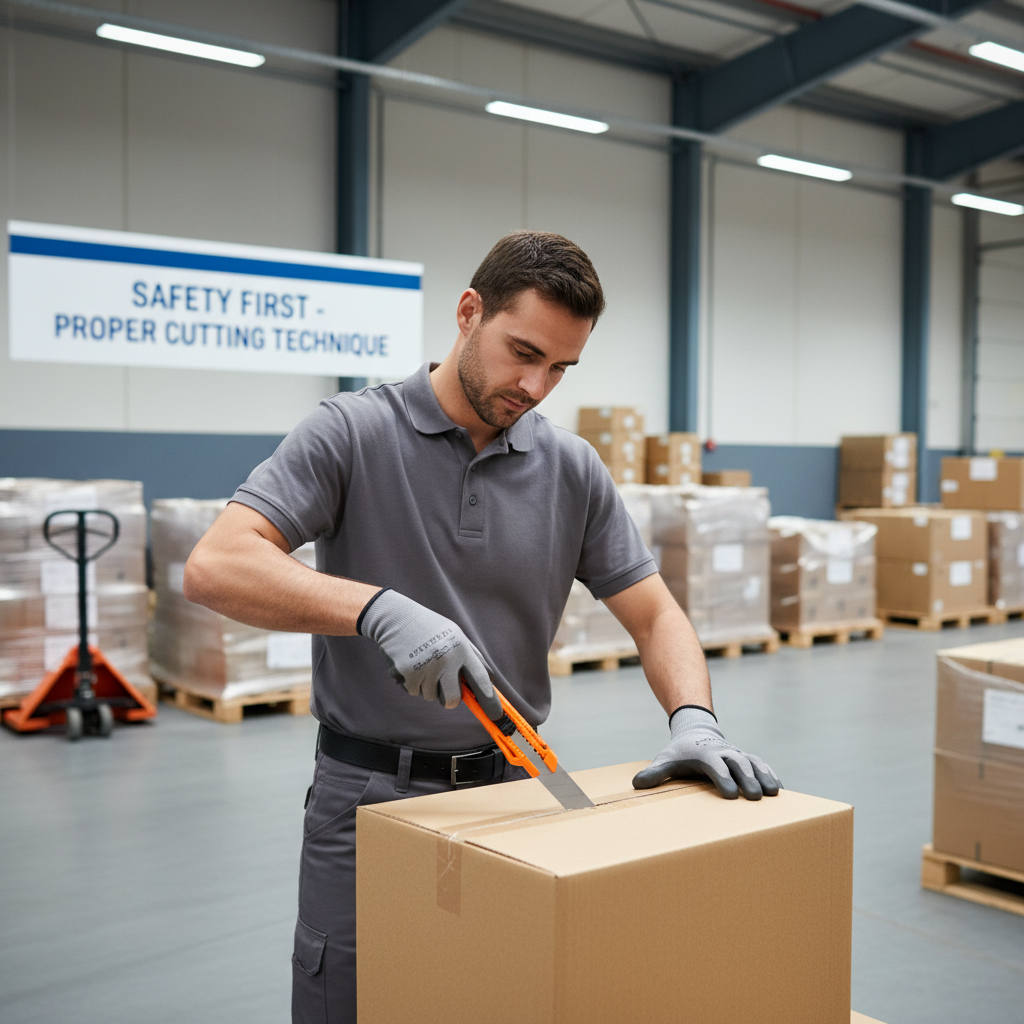
Quick self-check: do you need a safer retractable cutter, or just a better routine?
If you’re deciding whether to upgrade tools, this quick checklist usually clarifies it.
- You often find blades left extended on benches or in pockets.
- You cut shrink wrap, plastic straps, or poly mailers daily.
- You open boxes with one hand while holding product with the other.
- You see frequent “near misses,” small nicks, or torn gloves.
- You work in a shared tool environment where habits vary.
If two or more feel familiar, an auto-retract or pressure-sensing model is often worth considering. If none apply, you may get most of the benefit from tightening the process: blade depth control, sharpness discipline, and cutting angles.
Feature guide: what to look for in a box cutter safety retractable model
Specs can look similar on product pages. In practice, a few features drive most of the safety and productivity difference.
1) Retraction behavior that matches your material
- Mostly cardboard and tape: auto-retract tends to cover the biggest “left out” risk without slowing you down.
- Film, strapping, flexible packaging: pressure-sensing retract can help when the blade suddenly breaks free.
2) Blade exposure and depth control
For packages, you rarely need a long blade. Look for designs that limit exposure by default, or offer multiple preset depths. Less blade out means fewer product hits and fewer deep cuts if something goes wrong.
3) Ergonomics you can repeat all day
- Non-slip grip that still works with gloves
- Slider placement that does not force an awkward thumb angle
- Handle shape that does not encourage “white-knuckle” squeezing
4) Blade change that doesn’t invite shortcuts
If blade replacement is annoying, people stretch blades too long or do unsafe swaps. A tool-less or simplified change mechanism is a quiet safety win.
5) Visibility and storage
Bright colors and integrated holsters sound minor, but they reduce “where’s the cutter” moments that lead to borrowing random sharp objects. In teams, that matters.
Comparison table: matching cutter type to package tasks
| Task | Typical risk | Suggested retractable safety style | What to prioritize |
|---|---|---|---|
| Breaking down corrugated boxes | Slips on tape seams, blade left out | Auto-retract | Comfort grip, easy blade changes, limited exposure |
| Opening taped cartons with product near the top | Product damage, deep cuts | Auto-retract with depth control | Shallow cut setting, stable tip, predictable retraction |
| Cutting shrink wrap / poly film | Blade breaks free, hand strikes | Pressure-sensing retract | Fast retraction, smooth tip, anti-slip handling |
| Cutting plastic strapping | Snap-back, sudden release | Pressure-sensing retract | Controlled cut angle, quick retraction, hand guard |
| Light home use | Storage safety, accidental contact | Manual retract (or auto-retract) | Safe storage, simple operation, blade cover |
Practical technique: safer cuts that don’t slow you down
A safer cutter helps, but technique is what keeps your day consistent. These habits are simple, and they scale from home to high-volume receiving.
- Set blade depth to “just enough”: cut tape and the top layer of corrugate, not the contents.
- Cut away from your off-hand: if you must hold the box, hold it behind the cutting path, not beside it.
- Use two passes instead of forcing one: forcing a cut is when the blade jumps.
- Let the tool do the work: a sharp blade with light pressure beats a dull blade with heavy pressure.
- Pause on straps: straps can snap, cut them with a stable stance and keep your face and torso out of the line.
Key point: a box cutter safety retractable design can reduce risk after a slip, but it won’t fix cutting toward yourself or over-extending the blade. Those are still human choices.
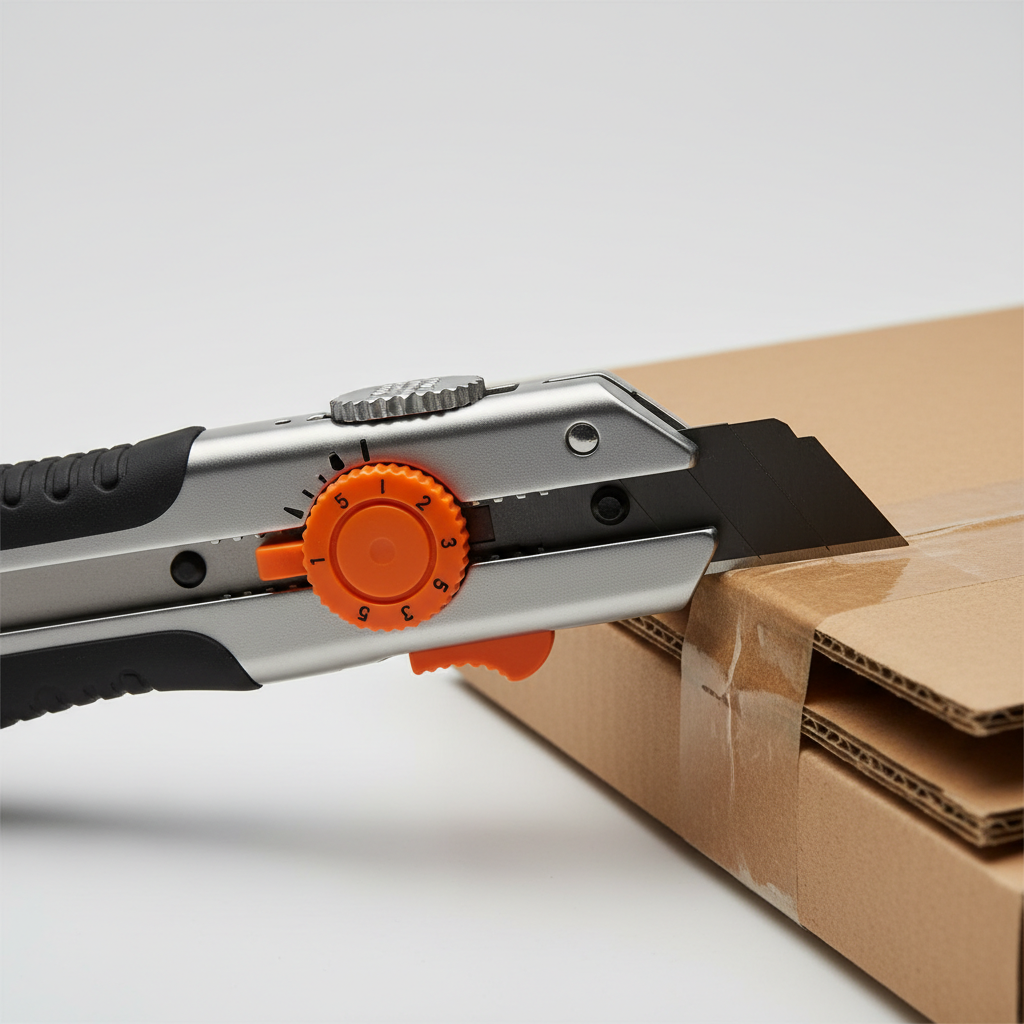
Common mistakes that quietly defeat “safety” features
This is where people get frustrated: they buy a safer cutter, then nothing improves because the workflow stays the same.
- Using the wrong blade for the material: heavy corrugate with a light-duty blade leads to binding and twisting.
- Stretching blade life too far: the safety mechanism doesn’t change how a dull edge behaves.
- Bypassing the retraction: taping sliders open, wedging mechanisms, or choosing a “safety” tool but always locking it out.
- Cutting at chest height: opening cartons in the air makes slips worse. Use a stable surface when possible.
- No storage standard: cutters tossed in bins increase accidental contact and damaged mechanisms.
According to NIOSH, controlling hazards often works best when you combine safer equipment with training and consistent procedures. In plain terms: a better tool plus a repeatable routine tends to outperform either one alone.
When to involve a safety manager, trainer, or medical professional
If you’re in a workplace, involve a safety lead when you see repeat incidents, frequent near-misses, or when people regularly cut products inside cartons. That’s usually a sign the process needs adjustment, not just the tool.
For injuries, even small cuts can become a bigger issue if there’s contamination, deep tissue involvement, numbness, or bleeding that won’t stop. In those situations, it’s reasonable to seek medical advice promptly, and follow your workplace reporting rules if applicable.
Conclusion: choosing safer tools, then making them stick
If you open packages often, choosing a box cutter safety retractable model is one of the easiest ways to reduce the most common “oops” moments, especially in shared or fast-paced environments. Pair it with shallow blade depth, regular blade changes, and a simple storage habit, and you usually get safer hands without slower work.
Next steps: pick the retraction style that matches your packaging materials, then run a one-week trial with a clear rule for blade depth and replacement timing.
FAQ
What is the difference between auto-retract and self-retracting box cutters?
Many brands use the terms differently, but in practice “auto-retract” often means the blade returns when you release the slider, while some “self-retracting” designs retract when the blade loses contact with the material. If you cut film and straps, the contact-based style can be more forgiving.
Is a box cutter safety retractable tool slower than a standard utility knife?
It can feel slower for the first day if you’re used to leaving a blade extended, but many teams find speed normalizes quickly. The bigger speed hit usually comes from fighting dull blades, not from the retraction mechanism.
How often should I replace blades for package opening?
It depends on cardboard thickness, tape type, and volume. A practical rule is to replace when you notice extra force, tearing instead of slicing, or any drifting. In workplaces, setting a consistent schedule often works better than relying on judgment alone.
Can safety cutters still cut through skin?
Yes. Safer designs reduce exposure and retract faster, but they’re still blades. Treat them as sharp tools, keep cuts directed away from your body, and avoid holding the package in the cutting path.
What blade depth is safest for opening taped cartons?
Shallower is usually better, just enough to cut tape and the top layer of corrugate. If product sits right under the seam, consider a tool designed for shallow cuts or use a different opening method that keeps the blade away from contents.
Are ceramic blades safer than steel for box cutters?
Ceramic can stay sharp longer in some uses, but “safer” depends on the whole tool design and how it breaks or chips in your environment. For many packaging tasks, the retraction mechanism and exposure control matter more than blade material.
What’s the safest way to cut plastic straps on packages?
Stabilize the package, keep your body out of the strap’s snap-back line, and cut with controlled pressure. A pressure-sensing retractable cutter can help when the strap releases suddenly, but technique still matters.
If you’re trying to standardize package-opening across a team, or you want a more “set it and forget it” approach, it may help to choose one box cutter safety retractable style per work area, add a simple blade-change routine, and make storage part of the process so the safer choice becomes the easy default.