
bastard file second cut flat is a mouthful, but it points to a very specific tool choice: a flat file that removes metal at a medium-fast pace without being as aggressive as a “bastard cut” alone or as slow as a fine file. If you’ve ever fought chatter marks, clogged teeth, or edges that never square up, you’re usually holding the wrong cut, the wrong length, or using the right file in the wrong way.
This guide is for the practical moment: you need to shape steel, deburr a plate, tune a weld bead, or bring a part to fit, and you want predictable control. I’ll cover what “second cut” and “bastard” really imply in real shop terms, how to choose a flat file that matches your metal and your goal, and a few usage habits that save time.
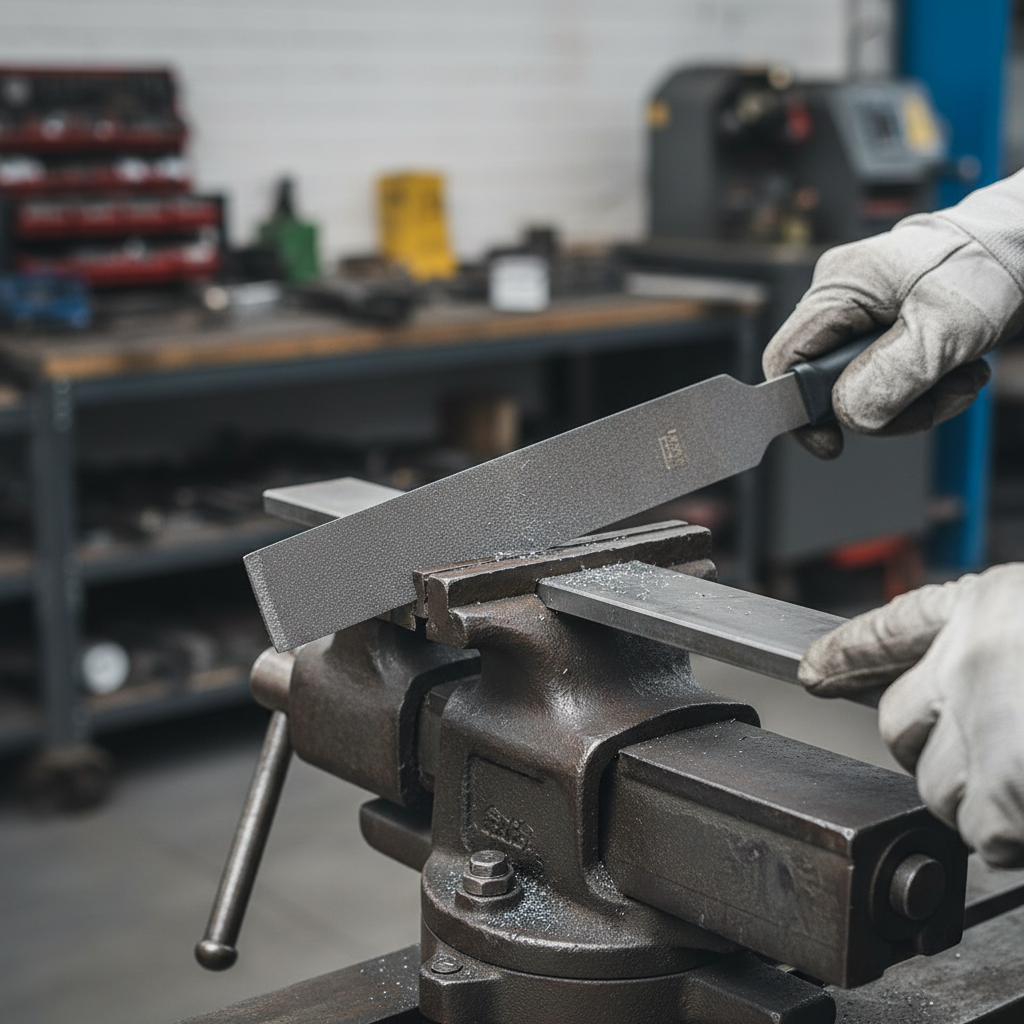
A quick heads-up, file labeling can vary by manufacturer, and some product listings mash terms together in a way that confuses buyers. So I’ll give you a “translation layer” you can use when reading specs, and a short checklist for confirming you’re getting the flat file you think you’re buying.
What “flat”, “bastard”, and “second cut” mean in practice
In the U.S., “flat” describes the file shape: rectangular cross-section, broad faces, and edges that may be cut (tooth pattern on edges) or safe (smooth edges). This shape is the workhorse for leveling, squaring, and general stock removal on flat surfaces.
“Cut” is about tooth spacing and how fast it removes material. Traditionally, bastard is coarser, second cut is a step finer, and smooth is finer still. In day-to-day use, second cut often lands in the sweet spot: it removes metal fast enough to feel productive, but it’s easier to control and leaves a surface you can refine without hours of cleanup.
So when you see bastard file second cut flat in a listing, treat it as a signal to verify the actual cut grade. Some sellers mean “flat bastard file”, others mean “flat second cut file”, and occasionally you’ll see “bastard” used loosely as “general purpose.” Don’t assume, confirm.
Where a flat second-cut file shines on metal
Second cut flat files are typically chosen when the job needs both removal and control. You can still hog down high spots, but you’re less likely to dig trenches into mild steel or leave serrated ridges that take forever to clean up.
- Fitting parts: bringing a bracket, slot, or tab into a snug fit without overshooting.
- Deburring and edge cleanup: knocking down sharp edges on plate, bar, or cut stock.
- Leveling welds: blending a weld bead where a grinder would remove too much too fast, or access is awkward.
- Flattening small faces: truing up a surface before layout, drilling, or assembly.
If you’re working very soft metals (like aluminum), you may still use second cut, but loading becomes the bigger issue than finish, so technique and file cleaning matter more than the label.
Choosing the right file: length, tooth pattern, and tang safety
Most people pick files by “whatever length is on the shelf,” then wonder why the tool feels grabby or slow. File length affects stroke efficiency and surface flatness. Longer files usually cut faster and help average out high spots, but they need room to work.
Quick selection table
| Situation | Typical file choice | Why it works |
|---|---|---|
| General fitting on mild steel | 10–12 in flat, second cut | Good control, decent removal rate |
| Heavy stock removal before finishing | 12 in flat, bastard cut | Faster bite, rougher surface |
| Final clean-up before paint or assembly | 10 in flat, smooth cut | Better surface, slower removal |
| Working near a finished face/edge | Flat file with safe edge | Reduces accidental gouging |
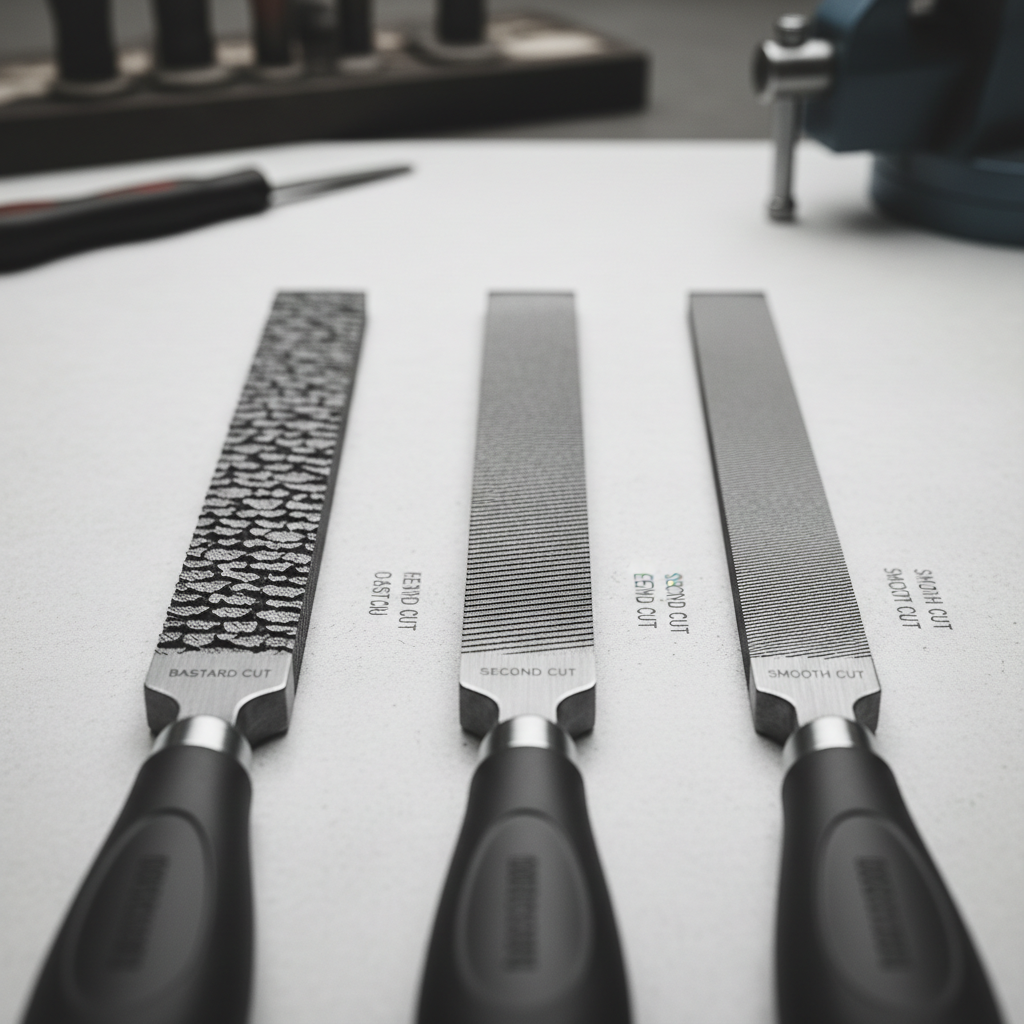
Two more details that matter in metalwork: single-cut versus double-cut tooth patterns, and tang safety. Double-cut removes faster but can leave a rougher finish; single-cut is often preferred when you care about a flatter, cleaner surface.
On safety, don’t ignore the handle. A bare tang can slip into your palm. According to OSHA, hand tool safety includes keeping tools in safe condition and using them properly; in practice that often means always using a proper file handle and a stable workholding setup.
Self-check: are you using the right cut, or fighting the wrong problem?
Before you buy another file, it’s worth diagnosing what’s actually going wrong. A bastard file second cut flat might be correct, but the issue could be loading, stroke technique, or the part simply needing a different tool.
- The file skates and barely cuts: teeth may be worn, the metal may be hardened, or you’re not applying pressure on the forward stroke.
- Deep scratches appear immediately: cut is too coarse for the finish you expect, or you’re rocking the file.
- Teeth clog quickly: common on aluminum and soft metals, also happens with oily surfaces; you may need chalk or more frequent cleaning.
- Edges won’t stay square: workpiece isn’t clamped solid, or you’re changing angle mid-stroke.
- You’re tempted to press hard: that usually means the file is dull or the cut is too fine for the amount of removal.
If two or more bullets feel familiar, adjusting technique may buy you more than switching cut grade.
How to use a flat second-cut file on metal (the method that stays controllable)
The core idea is simple: pressure on the push stroke, light return, and keep the file face flat so you don’t round edges. This sounds obvious, but it’s the difference between a part that “almost fits” and one that fits cleanly.
A practical step-by-step
- Clamp the work solid: if the part moves, your file will chatter and you’ll chase mistakes.
- Mark your target: layout dye, marker, or a scribed line gives you a stop point. Eyeballing invites overshoot.
- Start with full strokes: use as much of the file length as possible so wear stays even and the cut stays flatter.
- Keep wrists steady: let your shoulders guide the stroke, avoid rocking at the start and finish.
- Check often: a small square, calipers, or a straightedge catches drift early.
When you need a flatter result, consider “draw filing” as a finishing pass: hold the file perpendicular to the stroke direction and pull sideways across the surface. It’s slower, but it can clean up a surface nicely after regular filing.
Care and common mistakes: keeping the file cutting like it should
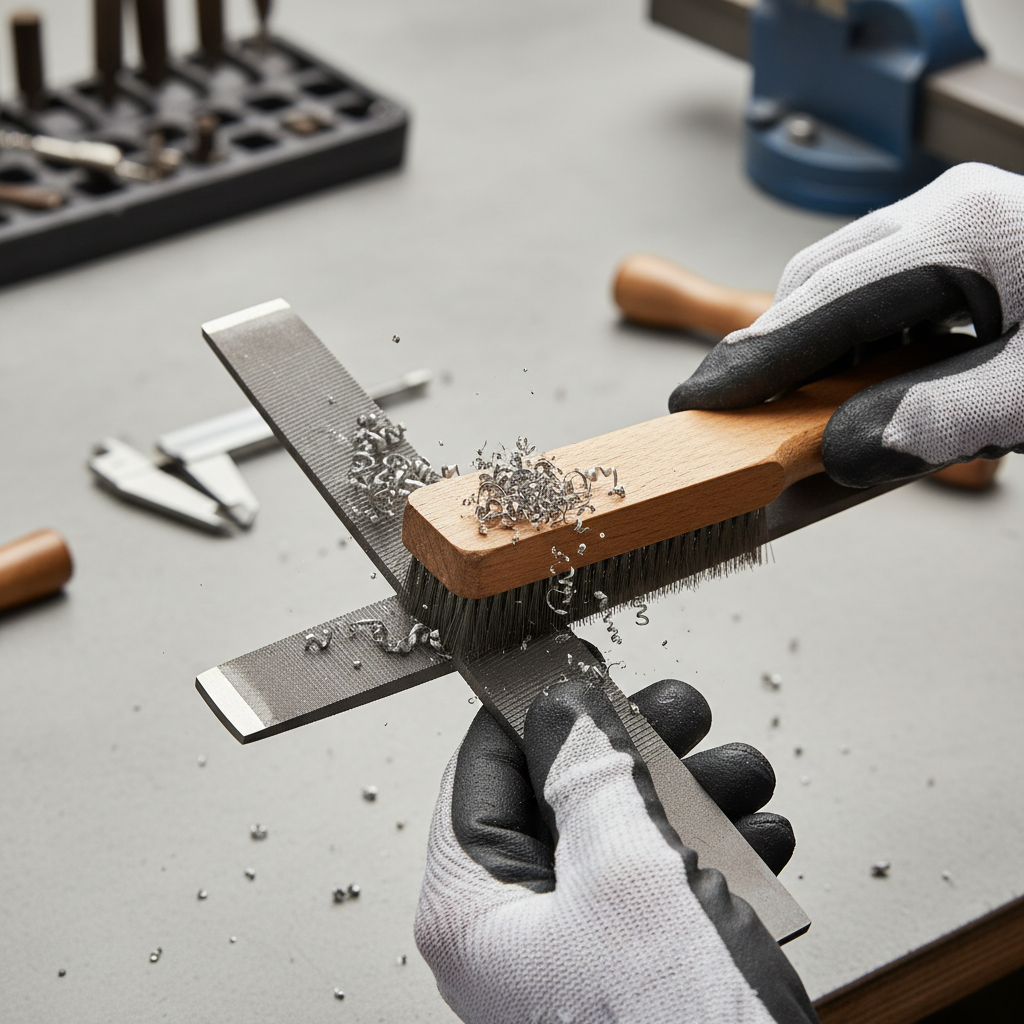
Files fail early for boring reasons: clogged teeth, cross-contamination, and misuse. A second cut file that’s kept clean will feel consistent; a loaded file feels like it’s dull even when it isn’t.
- Clean the teeth: use a file card regularly. For stubborn chips, a short piece of soft brass can help tease material out without damaging teeth.
- Chalk for soft metals: rubbing chalk into the teeth can reduce pinning on aluminum in many situations, though it won’t fix oily stock.
- Don’t rub files together: it can chip teeth and ruins edges quickly.
- Store separately: files banging in a drawer dull each other. A simple rack or sleeves helps.
One more mistake that shows up a lot: using a file on hardened steel as if it were mild steel. You may get almost no bite, then people press harder, and that’s when slips happen. If you suspect the part is hardened, consider a different approach, and if it’s critical work, ask a machinist or toolroom tech to confirm the material.
Key takeaways and a simple buying checklist
If you want one mental model, it’s this: second cut is often the “control” choice for metal, and flat shape is the “truth teller” for straightness. When you buy, confirm details rather than trusting a fuzzy title.
- Confirm the cut grade: the listing should clearly say second cut, not just “bastard.”
- Pick length to match the job: 10–12 inches covers most bench tasks without feeling twitchy.
- Decide on safe edges: safe edge helps when filing up to a shoulder or maintaining a crisp corner.
- Buy a handle at the same time: it’s not optional for comfort and safety.
Conclusion: when this file is the right call
A bastard file second cut flat setup makes sense when you need steady metal removal plus decent surface control, especially for fitting and cleanup work where a grinder feels too aggressive. If you’re still getting rough results, the fix is often clamp stability, stroke discipline, and tooth cleaning rather than chasing a new cut grade.
If you’re choosing today, pick a quality flat second cut in a length that matches your workspace, add a proper handle, and plan to pair it with either a coarser bastard cut for roughing or a smooth file for final passes depending on your workflow.
FAQ
What does “second cut” mean on a flat file for metal?
Second cut usually means a medium tooth spacing: it removes material slower than bastard cut but faster than smooth. It’s a common choice for fitting and general shaping where finish matters somewhat.
Is a bastard cut the same as second cut?
No, they’re typically different grades, with bastard being coarser. Some listings mix terms, so it’s smart to look for a clear spec line from the manufacturer.
What length flat file should I buy for bench metalwork?
Many people land on 10–12 inches for general tasks because it balances control and efficiency. If you work on small parts, a shorter file can fit better, but it can be easier to round edges if you rush.
Why does my file clog up on aluminum?
Aluminum can “pin” in the teeth, especially if the stock has oil or the chips smear. Frequent file card cleaning and chalk often help, and lighter pressure can reduce loading.
Can I use a flat file on hardened steel?
Sometimes it barely cuts, and pressing harder raises slip risk. If the part seems hardened, you may need an abrasive method or specialized tooling, and for tight tolerances it’s worth checking with a professional shop.
What is a “safe edge” on a flat file?
A safe edge has no teeth, which lets you file close to a shoulder without cutting into the adjacent face. It’s a small feature that can prevent a lot of rework.
How do I know when a file is worn out?
If it consistently skates on mild steel, needs excessive pressure, and cleaning doesn’t restore bite, it may be dull. Another hint is uneven cutting if the file was used mostly in one small area.
If you’re trying to standardize your bench setup, it can be worth building a small “file kit” around a flat second cut plus a coarser roughing file and a smoother finishing file, that trio covers most metal fitting jobs without guessing every time.