
How to unclog a drain with a snake auger is one of those DIY skills that can save you time, money, and a lot of frustration when water starts pooling in the sink or shower.
The good news, a drain snake (also called a plumber’s auger) is built for the exact problem most plungers can’t solve: a clog sitting a few feet down the pipe, past the trap, where gunk collects and hardens.
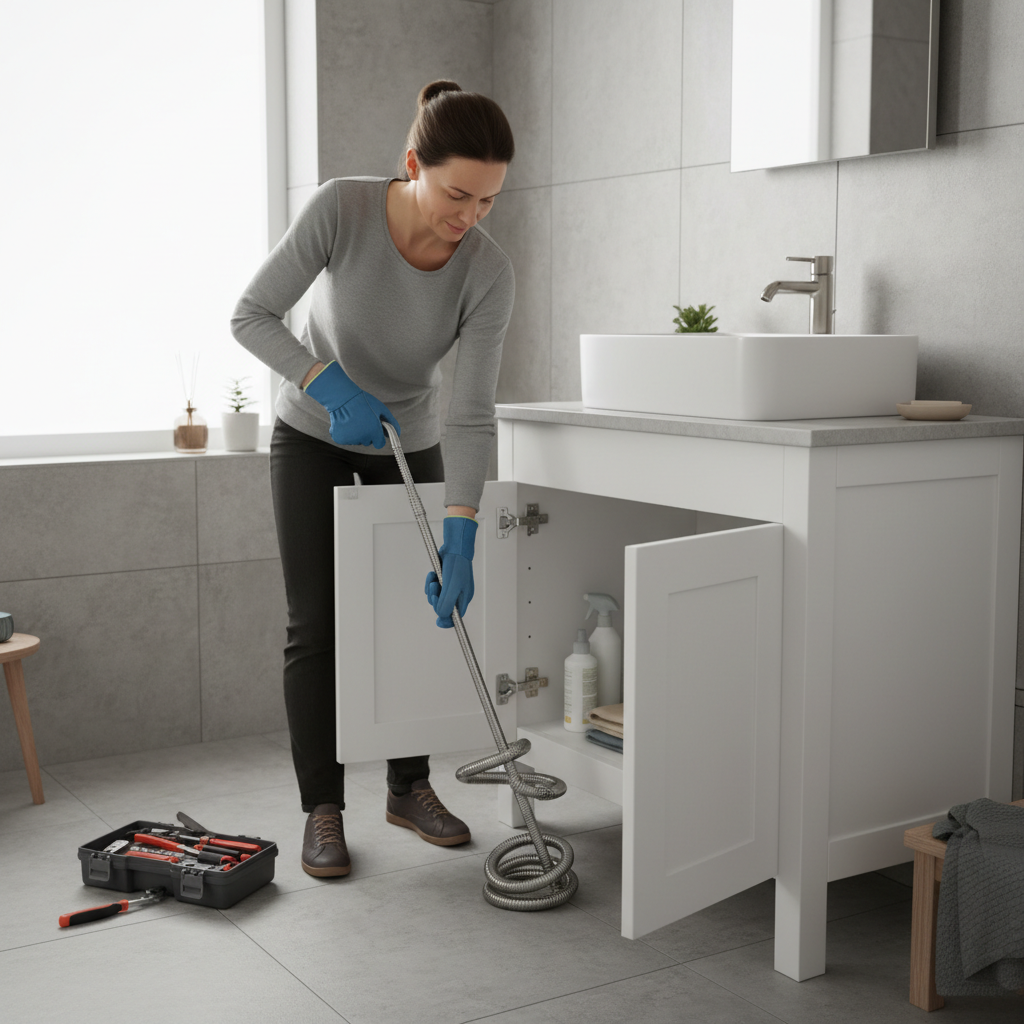
But snakes also create mess fast if you rush, especially around P-traps, older pipes, or when the clog is actually a venting issue. This guide walks you through a practical, low-drama method, plus quick checks to confirm you’re solving the right problem.
Pick the right snake auger (and know what it can’t do)
Most people fail here: they buy a tool that’s either too small to grab anything, or too aggressive for their pipe. You don’t need a pro-grade machine for most sinks, but you do need the right style.
Common auger types for typical US homes
- Handheld drum auger (15–25 ft): Best for bathroom sinks, tubs, showers, and some kitchen lines. Easy to control.
- Closet auger: Made for toilets, with a protective bend to avoid scratching porcelain.
- Power/drill-assisted snake: Faster, but easier to kink cables or damage older piping if you’re not careful.
- Mini plastic hair snakes: Great for hair near the drain opening, not for deeper clogs.
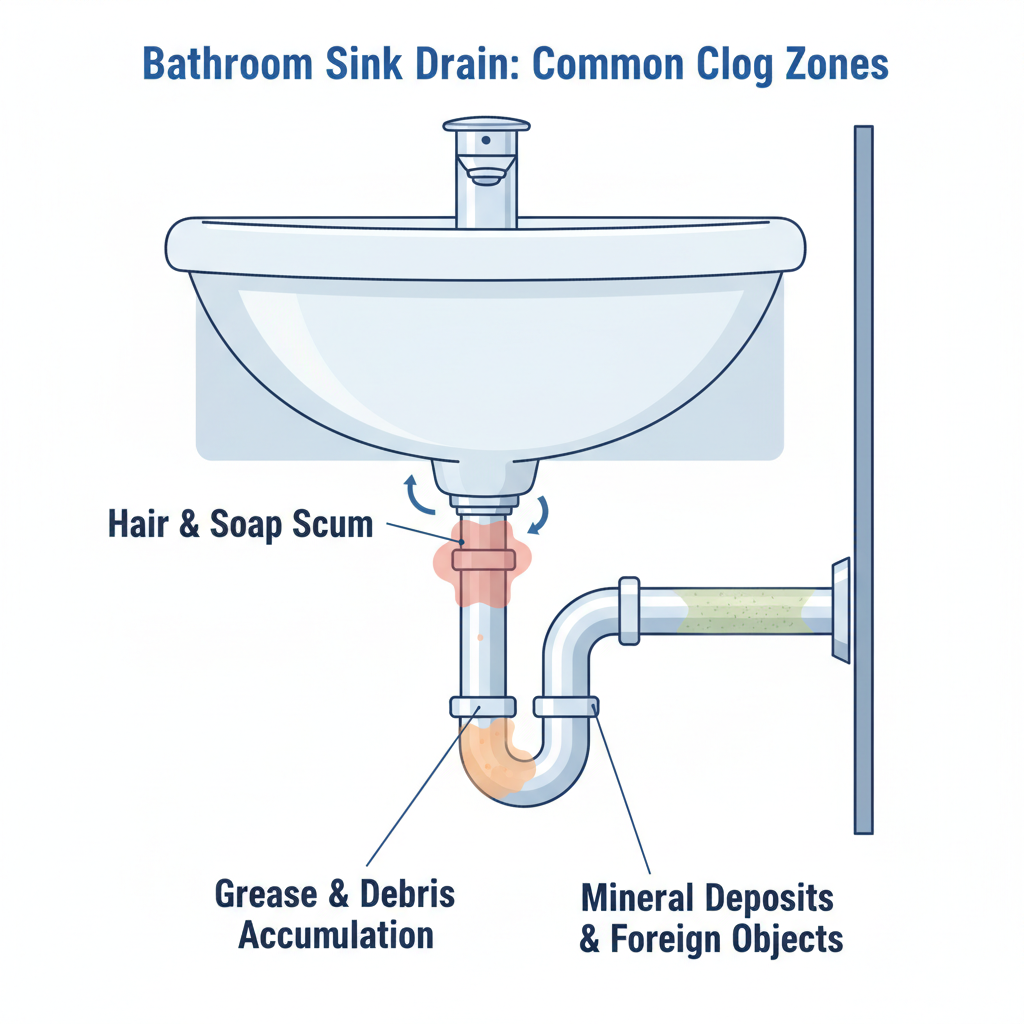
Also keep expectations realistic. A snake auger clears many organic clogs, but it may not fix heavy grease build-up, collapsed piping, or roots in a main line. If multiple fixtures back up at once, you might be dealing with a larger blockage beyond a basic DIY reach.
Quick self-check: confirm it’s a clog you can snake
Before you start feeding cable into a pipe, take two minutes to diagnose. It prevents wasted effort and reduces the chance you jam a tool where it doesn’t belong.
- Only one fixture is slow (just the bathroom sink, for example): usually a local clog, good candidate for snaking.
- Several fixtures slow or gurgling: often a branch or main drain issue, DIY may be limited.
- Water backs up in a different drain (sink running makes tub bubble): suggests a shared line clog, still snake-able but deeper.
- Sewer odor plus slow drain: could be partial blockage or trap issues, proceed carefully.
- Standing water that won’t move at all: you can still snake, but bail some water first so you can see what you’re doing.
Key point: if your drain cleaner contains caustic chemicals and you poured it recently, treat the drain like a splash hazard. According to the CDC, chemical burns can happen from contact with corrosive substances, so use eye protection and gloves, and consider calling a plumber if you suspect chemicals are sitting in the line.
Tools and setup (what you actually need)
You don’t need a huge kit, but you do need basic protection and a way to keep the mess controlled.
- Snake auger sized for the job (typically 15–25 ft drum auger for sinks/tubs)
- Rubber gloves plus eye protection
- Bucket and a few old towels
- Flashlight
- Optional: adjustable pliers (if you plan to remove the P-trap), small brush for cleanup
Clear out the cabinet area, set a bucket under the trap, and lay a towel where the cable might drip. This sounds minor, but it’s the difference between “messy but fine” and “why is everything slimy.”
Step-by-step: how to snake a sink drain without wrecking the trap
For most sink clogs, the cleanest approach is to snake through the drain opening first. If you hit a wall right away, then you switch to removing the trap.
Method A: snake through the drain opening (least invasive)
- Remove the stopper if possible, so the cable doesn’t snag on the linkage.
- Feed the cable slowly into the drain. Let the auger do the work, forcing it is how kinks happen.
- When you feel resistance, stop pushing and rotate the handle to let the head bite into the clog.
- Work in short advances: rotate, push a few inches, pull back slightly, then advance again.
- Pull the cable out carefully and wipe as you retrieve it. Expect hair, soap scum, and sludge.
If you’re thinking, “I’m turning, but nothing changes,” that often means you’re just bouncing off a bend or a fitting. Back up a foot, rotate, and re-approach at a slightly different angle.
Method B: remove the P-trap and snake the wall pipe (more effective for deeper gunk)
Many sink clogs sit right at the trap or the trap arm. Removing the P-trap gives you direct access and usually makes snaking feel less mysterious.
- Put the bucket under the trap, loosen the slip nuts, and remove the trap gently.
- Check the trap itself, you may find the clog right there. Clean it out if you do.
- Feed the snake into the wall pipe (trap arm) and repeat the same rotate-and-advance technique.
- Reinstall the trap, hand-tighten, then snug slightly. Don’t overtighten plastic.
Quick leak check: run water for 60–90 seconds and feel around each slip joint with a dry paper towel, it shows small drips immediately.
How to know you actually cleared the clog (not just poked a hole)
This is where people get tricked. A partial opening can drain “okay” for a day, then slow right back down.
- Run hot water for 2–3 minutes and watch if flow stays consistent.
- Fill-and-dump test: fill the sink halfway, then release. A cleared line keeps up without rising.
- Listen for gurgling: some noise is normal, but frequent gurgles can hint at lingering restriction or venting issues.
If the drain improves but still feels sluggish, repeat the snaking once more, but aim to retrieve debris rather than just pushing through it. In many cases, the “real win” is pulling out the mat of hair or grease that keeps catching new stuff.
Common mistakes (and what to do instead)
A snake auger is simple, but the failure modes are predictable. Avoid these and you’ll look like you know what you’re doing.
- Forcing the cable: creates kinks, scratches, or can punch through fragile piping. Instead, rotate and let the head lead.
- Snaking with chemicals in the drain: increases splash risk. Flush with lots of water first if safe, or pause and get help.
- Using a toilet auger on a sink: wrong shape, awkward control. Use a drum auger for sink lines.
- Stopping after the first improvement: often leaves residue. Confirm with a sustained flow test.
- Ignoring repeat clogs: that’s a clue, grease, scale, or pipe slope issues may be involved.
Decision table: DIY snake vs. plumber (and what changes the answer)
Here’s a practical way to decide whether to keep going or stop before you turn a clog into a repair.
| Situation | What it often means | Recommended next step |
|---|---|---|
| One sink slow, no other issues | Local hair/soap/food clog | DIY snake auger + hot water flush |
| Tub + sink affected in same bathroom | Branch line partial blockage | DIY snake with longer reach, re-test flow |
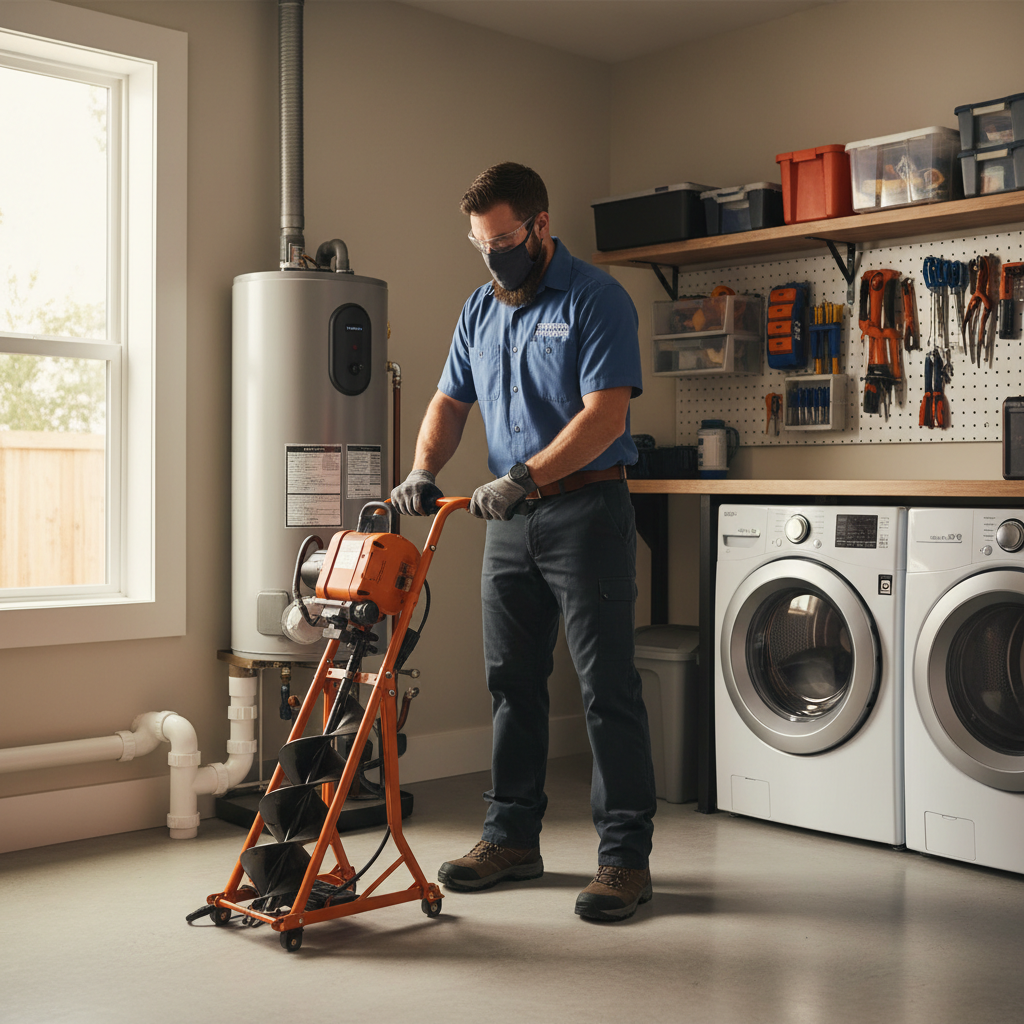
| Multiple drains back up, toilet bubbles | Main line or larger blockage | Stop and consider a plumber with a machine |
| Auger hits hard stop quickly every time | Possible obstruction, fitting, or damage | Remove trap to confirm path, otherwise call a pro |
| Recurring clogs every few weeks | Build-up, venting, or pipe condition issue | Professional inspection may be worth it |
Key takeaways (and a clean finish)
How to unclog a drain with a snake auger comes down to controlled feeding, gentle rotation at resistance, and confirming the line stays clear under steady water flow. If you only poke through the clog, it often returns.
- Use the right tool for the fixture, especially for sinks vs toilets.
- Work slowly at bends and fittings, forcing the cable causes most DIY damage.
- Test for full flow with sustained running water and a fill-and-dump check.
If your next attempt still fails, stop and reassess rather than escalating force. That’s usually where DIY turns expensive.
When to bring in a professional
Consider calling a plumber if multiple fixtures back up, you suspect a main line problem, you smell sewer gas that doesn’t resolve, or you think caustic drain chemicals may be trapped in the pipe. According to the EPA, household chemical products should be handled and disposed of safely, and when in doubt, getting help can reduce risk.
Action step: If you’re snaking today, set a timer for 10 minutes and commit to the slow method, then run the full flow test before you declare victory. If you’d rather not deal with the mess, a local plumber can often clear and verify the line quickly with proper equipment.