
rake bow metal garden lawn work is usually where weekend yard plans slow down, because the wrong rake bends, skips heavy debris, or leaves you with a sore back and a half-clean lawn.
A metal bow garden lawn rake is one of those simple tools that can feel “old-school,” yet it solves modern yard problems well: compacted leaves after rain, light gravel that drifts onto turf, or thatch you want to lift before overseeding. When it’s sized correctly and used with decent technique, it saves time and keeps the surface more even.
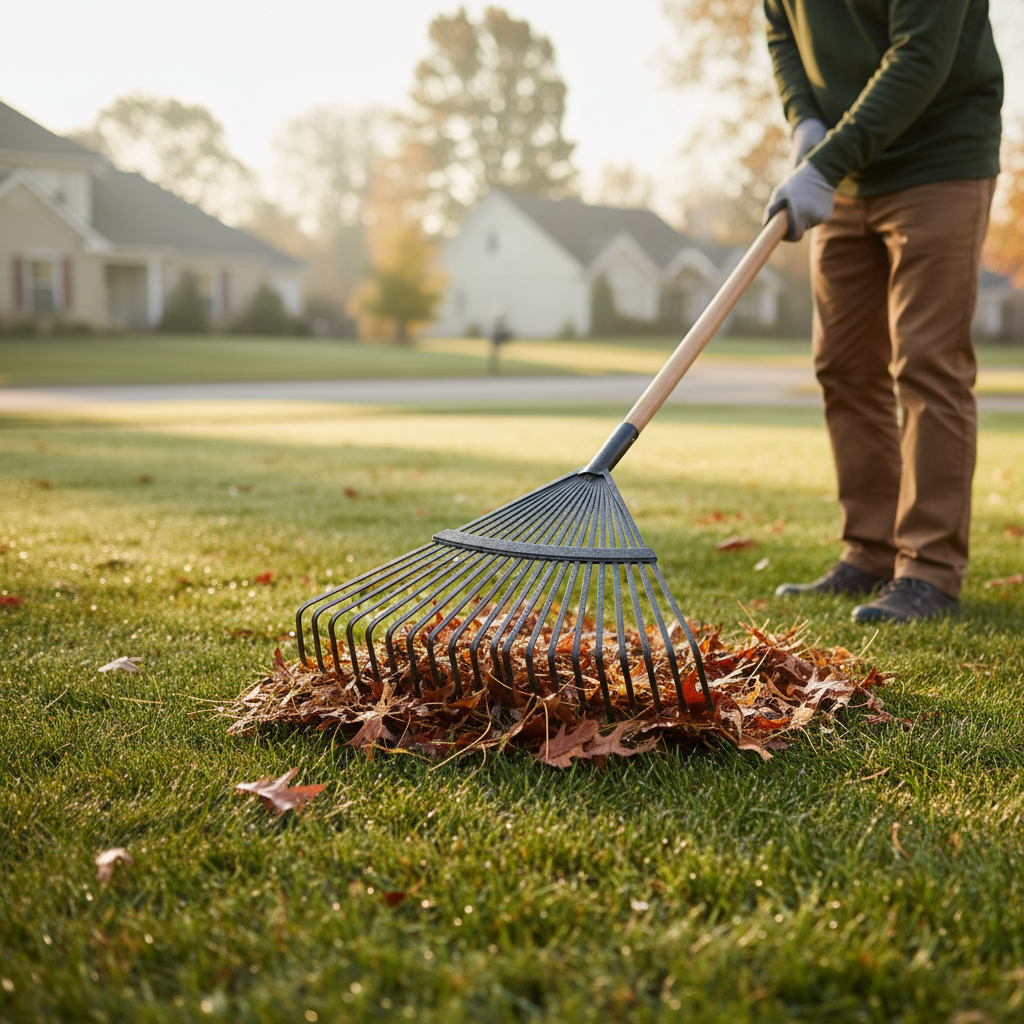
People also mix up “bow rakes” with leaf rakes. Leaf rakes are wide and flexible for fluffy piles. Bow rakes are narrower, stiffer, and better when the job has weight or resistance. This guide helps you pick the right metal bow rake, match it to your yard, and use it without shredding turf or overworking your shoulders.
What a Metal Bow Garden Lawn Rake Actually Does (and When It Beats a Leaf Rake)
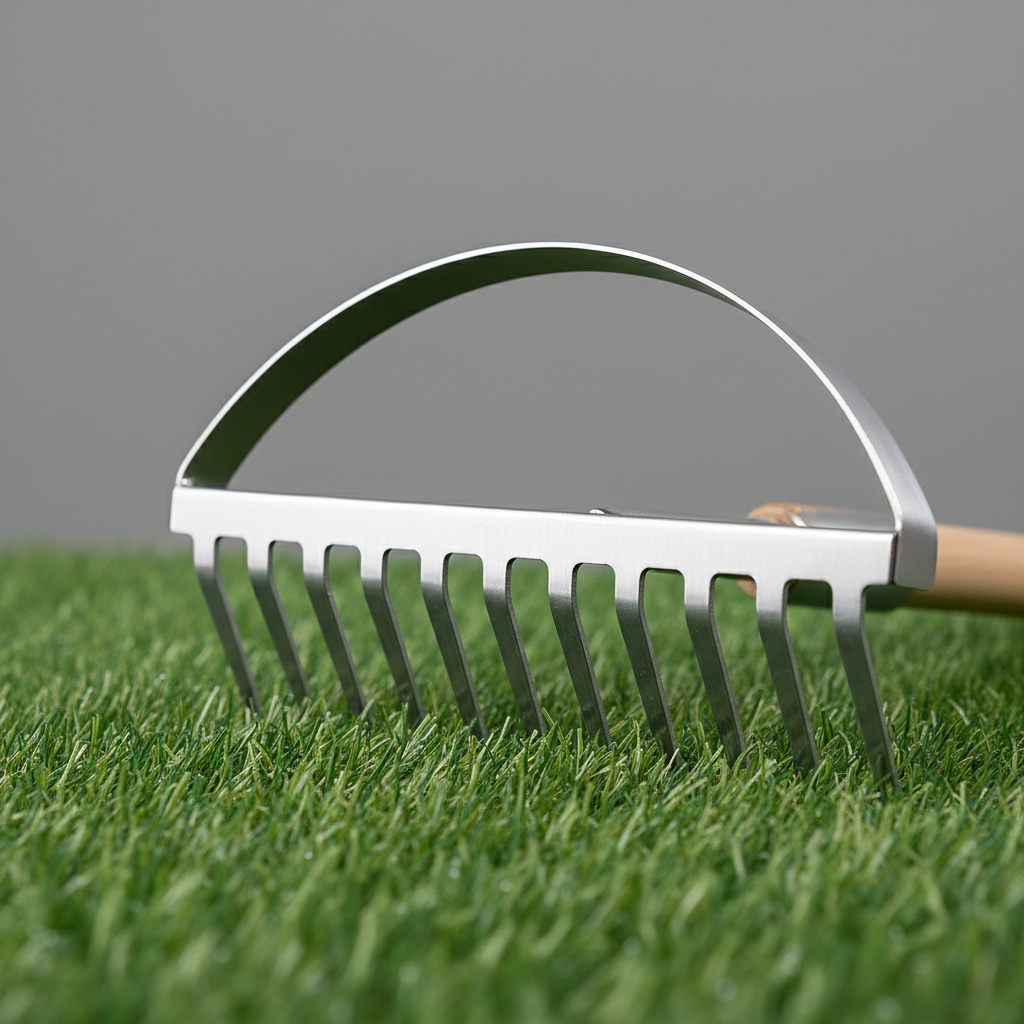
A bow rake, sometimes called a garden rake, has rigid metal tines that bite into material instead of skimming the top. That “bite” is why it handles tougher cleanup and prep tasks.
- Best at: pulling thatch lightly, leveling topsoil, spreading compost, dragging small gravel back into place, breaking up clods, and cleaning debris that sticks.
- Not ideal for: huge dry leaf piles across a wide area, delicate turf recovery zones, or very rocky soil where you’ll be fighting constant snags.
In many yards, the sweet spot is using a leaf rake for the bulk, then switching to a metal bow rake for the stubborn layer near the soil line.
Why Your Raking Feels Hard: Common Causes (Not Just “You Need a Better Rake”)
If your current tool feels ineffective, it’s usually one of these real-world issues:
- Tine stiffness mismatch: too flexible and it rides over debris, too aggressive and it gouges turf.
- Wrong head width: wide heads cover ground fast but catch and chatter, narrow heads control better around beds and edging.
- Handle length or material: short handles force a hunched posture, heavy handles tire you early.
- Timing: raking soaked leaves or sticky thatch after rain is simply harder than waiting for a partial dry-down.
- Technique: long, forceful pulls strain shoulders, short controlled strokes usually work better for lawn-level cleanup.
One more thing people don’t love hearing: sometimes the “problem” is the lawn condition. Thick thatch, uneven soil, or compacted areas can make any rake feel like a workout. That doesn’t mean you can’t rake, it just means you should adjust expectations and approach.
Quick Self-Check: Which Rake Setup Fits Your Yard?
Use this quick list to narrow what you need before buying or upgrading.
- Mostly leaves, light debris: leaf rake first, bow rake only for edges and stubborn patches.
- Thatch and spring cleanup: metal bow rake with moderate tine stiffness, work gently to avoid tearing crowns.
- Topdressing or leveling: heavier metal head helps drag soil evenly.
- Small yard or tight landscaping: narrower head and lighter handle reduce fatigue and improve control.
- Gravel paths near lawn: a bow rake is often the fastest way to pull stones back where they belong.
If your main task is aggressive thatch removal across a large lawn, a dedicated dethatching rake or mechanical dethatcher may be more appropriate. A bow rake can help, but it’s not always the most efficient tool for big areas.
How to Choose a Metal Bow Rake: The Details That Matter
When people search for a rake bow metal garden lawn tool, they’re usually comparing durability and ease of use. Here’s what to pay attention to in plain terms.
Head width and tine count
- 14–16 in. often feels like a good all-around size for lawns and light leveling.
- Narrower heads give better control in beds, along fences, and around sprinkler heads.
- Wider heads cover ground faster, but can feel “grabby” in uneven turf.
Tine shape and stiffness
- Flat, rigid tines pull heavier debris and move soil well.
- Slightly springy tines can be kinder to turf when you’re just lifting surface material.
Handle: wood vs fiberglass vs steel
- Wood feels good in hand and can dampen vibration, but quality varies and it can crack if stored poorly.
- Fiberglass is common for a reason: durable, lighter, and lower maintenance.
- Steel lasts, but can feel heavy for long sessions.
Connection point (where rakes fail)
The head-to-handle joint takes the abuse. Look for a solid ferrule and tight fasteners. If it wobbles in the store, it usually gets worse after a few weekends.
At-a-Glance Comparison Table
This isn’t about “best,” it’s about fit. Use it to decide what to grab first.
| Tool | Best use | Pros | Watch-outs |
|---|---|---|---|
| Metal bow rake | Thatch lifting, leveling, heavy debris | Strong pull, versatile, durable | Can gouge turf if used aggressively |
| Leaf rake | Large leaf collection | Fast coverage, gentle on grass | Struggles with wet mats and soil work |
| Dethatching rake | Serious thatch removal | More effective for thick thatch | More tiring, can stress turf |
| Landscape/leveling rake | Topdressing and smoothing | Creates a more even finish | Less useful for stuck debris |
How to Use a Metal Bow Rake on a Lawn (Without Beating Up the Grass)
Good results come from lighter pressure and more passes, not from trying to rip everything up in one go. For typical lawn cleanup or light thatch lifting:
- Set your angle: keep the rake at a low angle so tines skim and grab, not dig straight down.
- Use short pulls: 12–18 inches at a time, then reset. It keeps strokes controlled.
- Work in lanes: overlap slightly so you don’t miss strips.
- Stop when you see soil movement: a little is normal, but if you’re exposing crowns, back off.
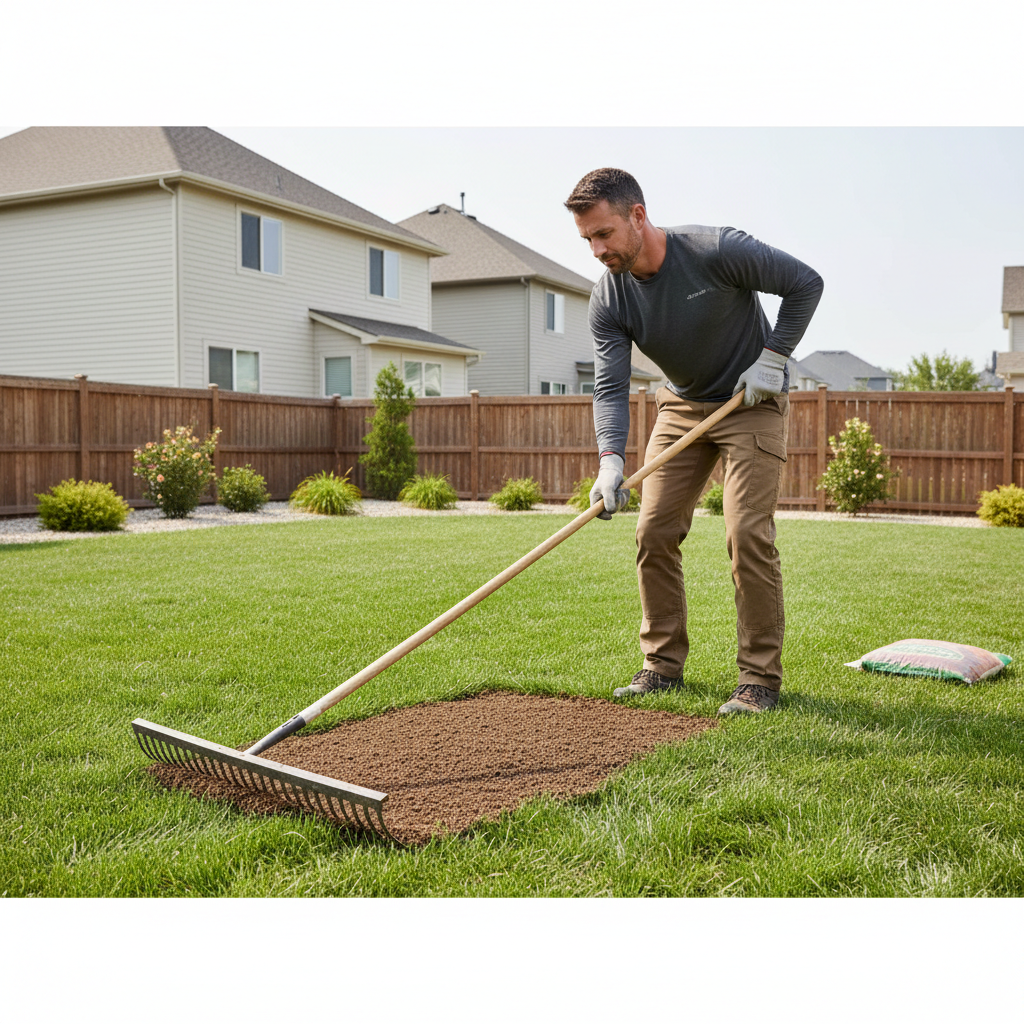
If you’re spreading compost or topsoil, flip the workflow: dump small piles, then pull material outward in thin layers. You’ll get a smoother finish than trying to push a big mound across the yard.
According to USDA Natural Resources Conservation Service (NRCS), keeping soil covered and minimizing unnecessary disturbance helps reduce erosion risk. That’s a good reminder to rake with intention, especially on slopes or thin turf.
Mistakes That Waste Time (and What to Do Instead)
- Raking when everything is soaked: if you can wait for “damp, not wet,” the job often gets easier.
- Using maximum force: the metal head does the work, your job is consistent pressure.
- Trying to dethatch like a machine: for heavy thatch, consider a dethatcher rental or a dethatching rake and plan for cleanup.
- Ignoring sharp edges and splinters: check tines and handle condition, gloves help.
Also, don’t underestimate storage. A metal bow rake left outside often rusts at the connection point first. A quick brush-off and dry storage extends life more than people expect.
When to Get Extra Help (or Switch Tools)
If your lawn has persistent dead patches, severe compaction, or thick thatch that returns quickly, raking may be treating symptoms. Many homeowners do fine with basic maintenance, but these situations can justify expert input:
- Recurring drainage issues: standing water after normal rain could mean grading or soil structure problems.
- Major thatch layer: if turf pulls up easily or feels spongy, a lawn care professional can recommend a safer plan for your grass type.
- Allergies or respiratory sensitivity: dusty thatch and moldy leaves can irritate, consider a mask and ask a clinician if you have concerns.
For product selection, a local garden center can also be surprisingly helpful since they see what handles local soil, debris, and turf varieties.
Key Takeaways
- A metal bow rake is most useful when debris has weight, sticks to the ground, or you need to level material.
- Choose head width and handle type based on your yard size and how much control you need.
- For lawn work, lighter pressure and controlled strokes usually beat brute force.
- If your main goal is heavy dethatching, consider a dedicated dethatching tool or professional guidance.
Conclusion: A Simple Tool That Pays Off When You Match It to the Job
A well-chosen rake bow metal garden lawn setup makes cleanup and light leveling feel more predictable, not like a wrestling match with wet leaves and uneven ground. Pick a solid head-to-handle connection, use a size you can control, and rake in short, steady passes.
If you want one action step today, check your rake’s joint and tine condition, then test your technique on a small section before committing to the whole yard. Small adjustments usually show results fast.
FAQ
Is a metal bow rake safe for grass?
Usually yes for light cleanup and gentle thatch lifting, as long as you keep a low angle and avoid digging. If you see crowns getting exposed, reduce pressure or switch tools.
What head width should I buy for a typical suburban lawn?
Many homeowners land in the 14–16 inch range because it balances coverage and control. Tight spaces or lots of edging can justify a narrower head.
Can I use a bow rake to dethatch my entire lawn?
You can, but it may take longer and can stress turf if you get aggressive. For heavy thatch, a dethatching rake or mechanical dethatcher is often more efficient.
Why does my rake keep snagging and bouncing?
That often happens with a wide head on uneven ground, or when you’re holding the handle too upright. Lower the angle, shorten your stroke, and consider a narrower head if the lawn has lots of dips.
Wood or fiberglass handle: which lasts longer?
Fiberglass often wins for low-maintenance durability. Wood can last well too, but it depends on storage and handle quality, and it’s more sensitive to moisture swings.
How do I prevent rust on a metal bow rake?
Brush off soil, dry it, and store it out of rain. A light wipe with a protective oil can help, but even simple dry storage prevents most early rust issues.
Can a bow rake help level topdressing after overseeding?
Yes, many people use it to pull thin layers evenly, especially if you apply small piles and drag them outward. Go slow so you don’t bury seed too deep.
If You Want a More “Set-and-Forget” Result
If you’re trying to fix uneven spots, recurring debris buildup, or thatch that keeps coming back, it may help to pair the right rake with a simple seasonal plan for mowing height, watering, and topdressing. If you prefer a more hands-off approach, a local lawn pro or garden center can help you choose tools and timing that fit your grass type and yard conditions.