
jumper cable heavy duty 4 gauge sets usually get recommended when you want reliable starts in cold weather, on larger engines, or when you just don’t want to gamble with thin, bargain cables.
If you’ve ever had cables get hot, clamps slip, or a “successful” jump that still takes forever, it’s usually not bad luck, it’s mismatched cable size, weak clamps, or poor contact. A true 4 gauge set can reduce voltage drop and deliver more usable current where it matters.
This guide breaks down what “4 gauge” really means in real life, how to spot marketing tricks, how long you should go, and how to jump-start without frying anything. You’ll also get a quick comparison table and a practical checklist so you can buy once and keep it in the trunk.
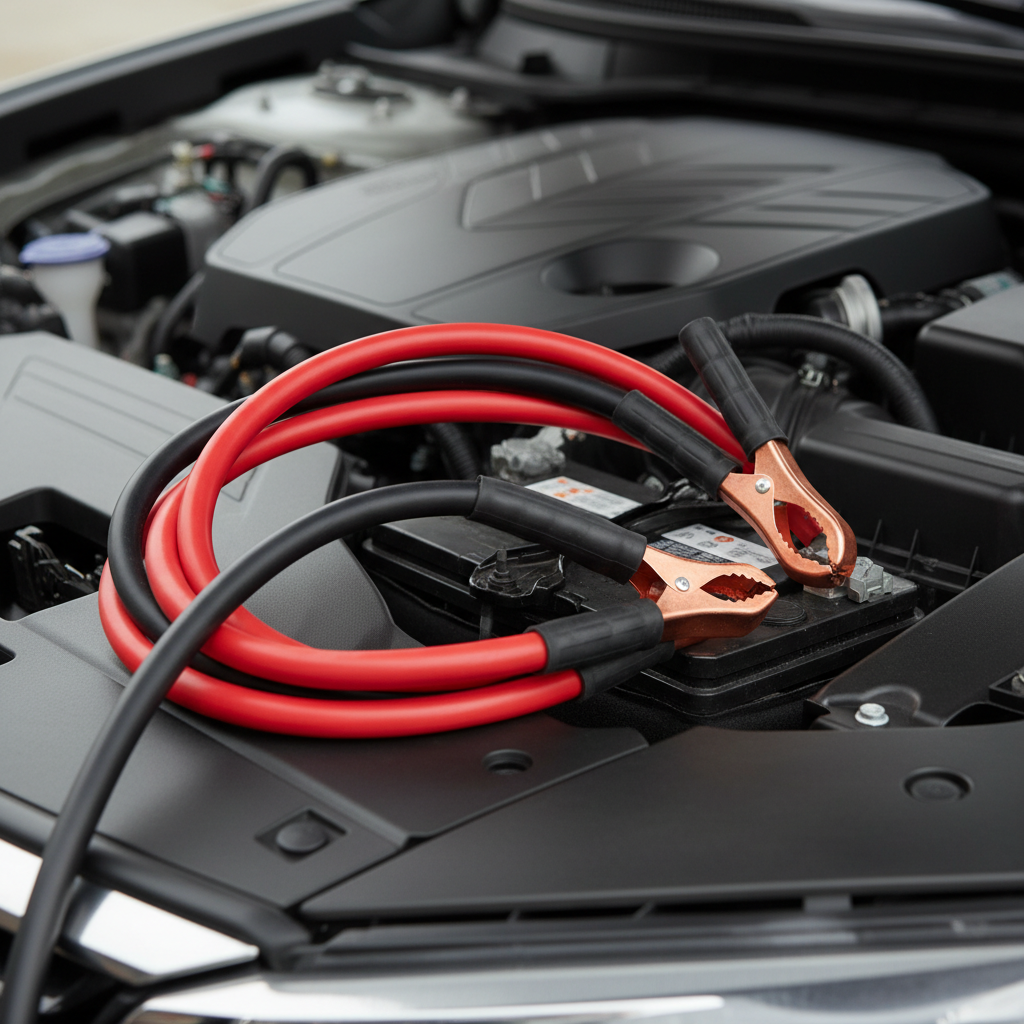
What “4 Gauge Heavy Duty” Actually Means (and What It Doesn’t)
Gauge is about conductor thickness, and thickness affects resistance, which affects how much voltage gets lost before power reaches the dead battery. Lower gauge numbers mean thicker wire, so 4 gauge typically moves power better than 8 or 10 gauge.
But “heavy duty” on the packaging isn’t a standard. Two cable sets can both say 4 gauge and perform very differently because of:
- True copper vs copper-clad aluminum (CCA): CCA is lighter and cheaper, and performance may be weaker than full copper at the same gauge labeling.
- Wire strand count and flexibility: More fine strands usually bend easier and handle cold better.
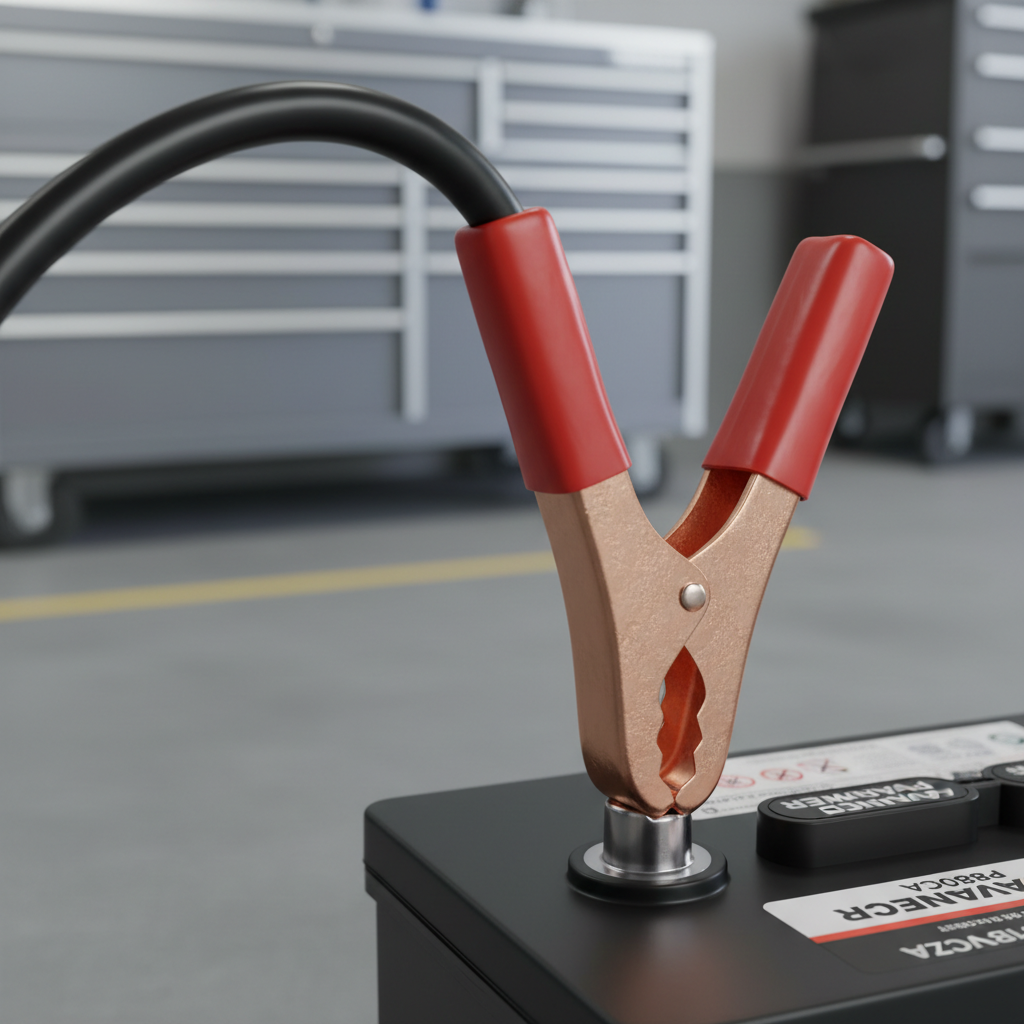
- Clamp design: Strong spring tension, sharp teeth, and enough metal contact surface matter as much as the cable itself.
So yes, 4 gauge helps, but only if the rest of the build is honest and practical.
Quick Comparison: 4 Gauge vs Other Common Jumper Cable Sizes
If you’re deciding whether 4 gauge is “worth it,” here’s a simple way to think about it. In many day-to-day situations, thinner cables work, until they don’t, usually when it’s cold, the donor vehicle is smaller, or the dead battery is really discharged.
| Gauge | Typical Use Case | Pros | Tradeoffs |
|---|---|---|---|
| 10–12 gauge | Small engines, occasional use, mild temps | Cheap, compact | Slower jumps, more voltage drop, can run hot |
| 8 gauge | Regular cars, moderate winter, mixed reliability | Better than basic sets, still portable | May struggle with larger engines or very cold starts |
| 4 gauge | Cold climates, SUVs/trucks, dependable starts | Lower resistance, faster transfer, less stress | Heavier, costs more, clamps must match the cable quality |
| 2 gauge / 1 gauge / 0 gauge | Heavy trucks, diesel, frequent roadside use | Maximum power delivery | Bulky, expensive, overkill for many drivers |
Choosing the Right Length: 12 ft vs 16 ft vs 20 ft (Reality Check)
Length is where many people accidentally downgrade performance. Longer cables add resistance, so even a good jumper cable heavy duty 4 gauge set can feel “meh” if it’s very long and the clamps aren’t great.
- 12 ft: Works when vehicles can park nose-to-nose, good power delivery, least bulky.
- 16 ft: A sweet spot for most U.S. parking situations, enough reach without huge penalty.
- 20 ft: Useful when cars can’t align well, but quality matters more because resistance adds up.
My practical take: if you live where parking is tight or you drive an SUV, 16 ft is usually the most “no drama” choice.
Buyer Checklist: How to Spot a “Good” 4 Gauge Set Before You Buy
Some product pages lean hard on peak amps, but that number alone won’t save you on a freezing morning. Use this quick screening list:
- Conductor material is clearly stated: “100% copper” is usually a positive sign; vague wording can be a tell.
- Cold-weather flexibility: Look for insulation that stays pliable in winter, many sets mention PVC or rubber blends, performance varies by brand.
- Clamp jaw metal and bite: You want firm tension and teeth that can grab clean metal, not just painted surfaces.
- Strain relief at clamp entry: Reduces cable fatigue where it bends most.
- UL or similar labeling: Not every set has it, but clear safety markings are reassuring. According to UL (Underwriters Laboratories), product safety certification helps reduce electrical hazards when equipment is used as intended.
Key point: if the clamps feel flimsy, the “4 gauge” label won’t rescue the experience.
How to Jump-Start Safely with 4 Gauge Cables (Step-by-Step)
jumper cable heavy duty 4 gauge kits can move current quickly, so good connection order and clean contact matter even more. If anything about your vehicle manual conflicts with generic steps, follow the manual.
Before you connect
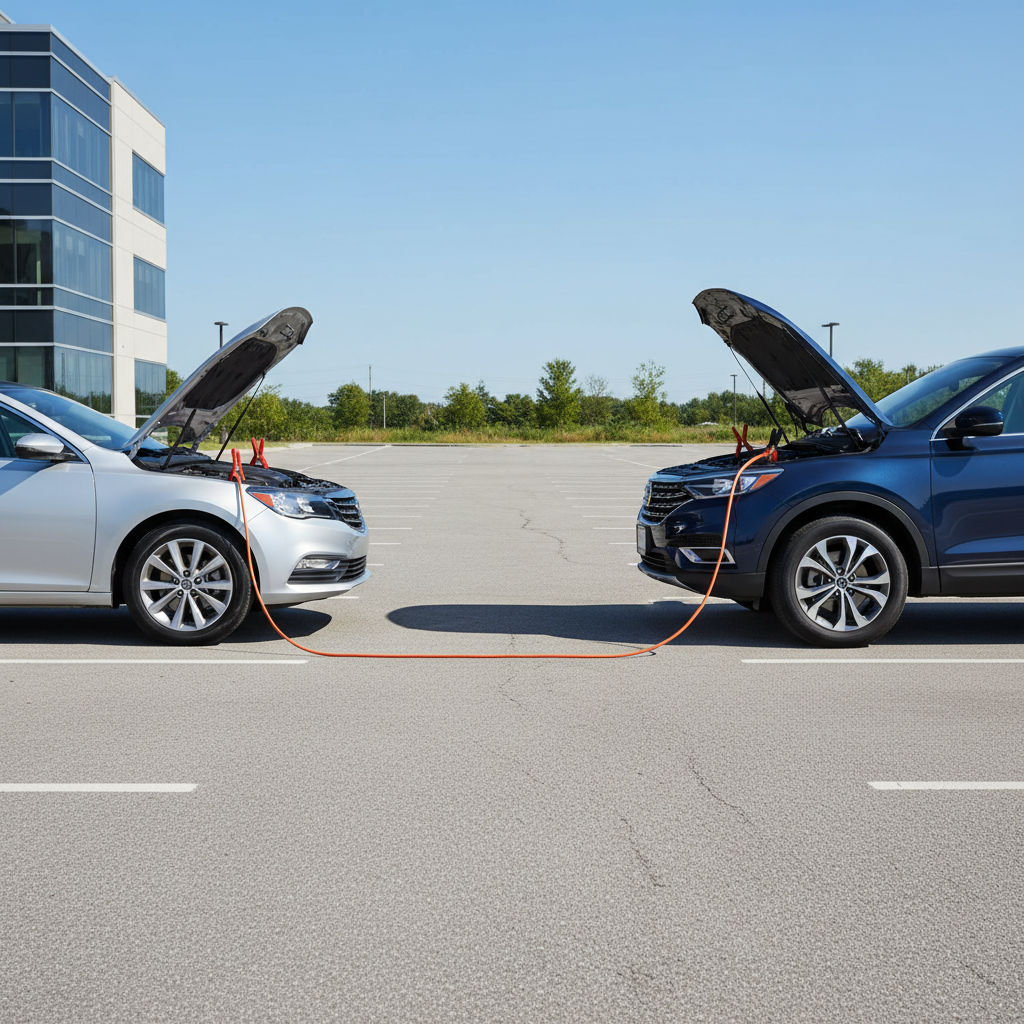
- Turn both vehicles off, set parking brakes, and keep the cars from touching.
- Check for cracked battery cases, leaking fluid, or a strong rotten-egg smell, in those cases, don’t jump it and consider professional help.
- Clean obvious corrosion if you can do so safely, better contact makes a big difference.
Connection order (common approach)
- Red clamp to dead battery positive (+)
- Red clamp to donor battery positive (+)
- Black clamp to donor battery negative (-)
- Black clamp to a clean, unpainted metal ground on the dead vehicle (not the dead battery negative terminal, unless your manual says otherwise)
Starting and timing
- Start the donor vehicle, let it idle a few minutes.
- Try starting the dead vehicle, if it cranks slowly, wait another few minutes and try again.
- Disconnect in reverse order, keeping clamps from touching each other.
According to NHTSA, vehicle owners should follow manufacturer guidance for jump-start procedures and battery safety, because systems vary and mistakes can cause damage or injury.
Troubleshooting: When 4 Gauge Cables Still Don’t Work
It’s frustrating, but it happens. Usually it’s not because 4 gauge “isn’t enough,” it’s because one of these real-world blockers shows up:
- Bad ground connection: Painted metal, rust, or a loose bolt means poor return path.
- Dead battery is internally failing: It may accept a surface charge then collapse under load.
- Donor vehicle output is limited: A small car at idle might not help much if the dead vehicle is a large engine in cold temps.
- Clamps aren’t truly contacting metal: Teeth biting plastic covers or side insulation is more common than people think.
- Hidden corrosion: Terminals can look “fine” but still conduct poorly.
If you’re getting repeated no-starts after a successful jump, that’s often a sign the battery can’t hold charge or the charging system needs diagnosis.
Common Mistakes That Waste Time (or Create Risk)
Most jump-start problems come from a few repeat mistakes. Avoid these and your success rate jumps fast:
- Buying by “peak amps” only: Marketing numbers vary and aren’t always comparable across brands.
- Choosing extra-long cables “just in case”: Reach matters, but unnecessary length can reduce performance.
- Letting clamps touch: Even brief contact can spark, damage components, or at minimum scare you into giving up early.
- Clamping onto corrosion: You want clean metal-to-metal, not fuzzy blue-white buildup.
- Revving the donor hard: Sometimes people do this out of panic; gentle, steady idle is usually enough, and aggressive revving can be counterproductive depending on the vehicle.
When to Consider Professional Help (or a Different Tool)
If jump-starting feels like a recurring routine, it may be time to step back. A few situations where professional diagnosis is a better move:
- Your battery repeatedly dies overnight, even after driving, which can point to parasitic draw or an aging battery.
- You see warning lights, electrical glitches, or burning smells during attempts.
- The vehicle won’t crank even with solid connections and a known-good donor vehicle.
Also, if you often park alone, a portable jump starter can be a more practical backup than relying on a second car, but capacities and safety features vary, so matching the pack to your engine size matters.
Conclusion: The Practical Way to Buy and Use 4 Gauge Cables
A good 4 gauge set isn’t about bragging rights, it’s about removing uncertainty when you need a start now. Pick a reasonable length, prioritize clamp quality and honest conductor material, then practice the connection order once at home so you’re not learning in the dark on the roadside.
If you do one thing today, open your trunk and check what you already have, if the cables are thin, stiff, or the clamps feel weak, upgrading to a jumper cable heavy duty 4 gauge kit is a straightforward quality-of-life fix.
FAQ
Is 4 gauge too much for a regular sedan?
Usually not. It can be heavier than you “need,” but it often makes jumps faster and less finicky, especially in winter or when the battery is deeply discharged.
What length 4 gauge jumper cables should I get for an SUV?
For many SUVs, 16 ft is a practical balance between reach and performance. If your parking situations are awkward, 20 ft can help, but quality becomes more important.
Are copper-clad aluminum 4 gauge cables okay?
They can work for light, occasional use, but many drivers notice better performance from true copper, particularly in cold temperatures or on larger engines.
Why do my jumper cables get warm during use?
Warmth can happen when current is flowing, but excessive heat often points to high resistance from thin conductors, long length, poor clamp contact, or corrosion at the terminals.
Can I jump-start a battery with severe corrosion on the terminals?
You might, but it’s less reliable and can be risky. Cleaning corrosion safely and improving contact usually helps, if corrosion is heavy or the battery looks damaged, it’s smarter to get help.
Where should I put the black clamp on the dead car?
A clean, unpainted metal ground point on the engine block or chassis is a common recommendation, but check your owner’s manual because some vehicles have specific guidance.
How do I know if it’s the battery or the alternator?
If it jumps and runs but dies again soon, either could be involved. A parts store test or a mechanic’s diagnosis can clarify, especially if the battery is more than a few years old.
If you’re shopping because your current cables feel flimsy or winter starts keep turning into a whole event, look for a well-built 4 gauge set with solid clamps and a length that matches how you park, it’s a small upgrade that can save a lot of waiting and guesswork.