
A reciprocating saw blade set sounds like a simple buy, until you’re halfway through a demo cut and the blade starts wandering, burning, or snapping when it hits a hidden nail.
Demolition work is messy by design, mixed materials, unknown fasteners, awkward angles, and plenty of “surprises” inside walls and floors. A good blade mix saves time, reduces rework, and helps you keep control when the cut fights back.
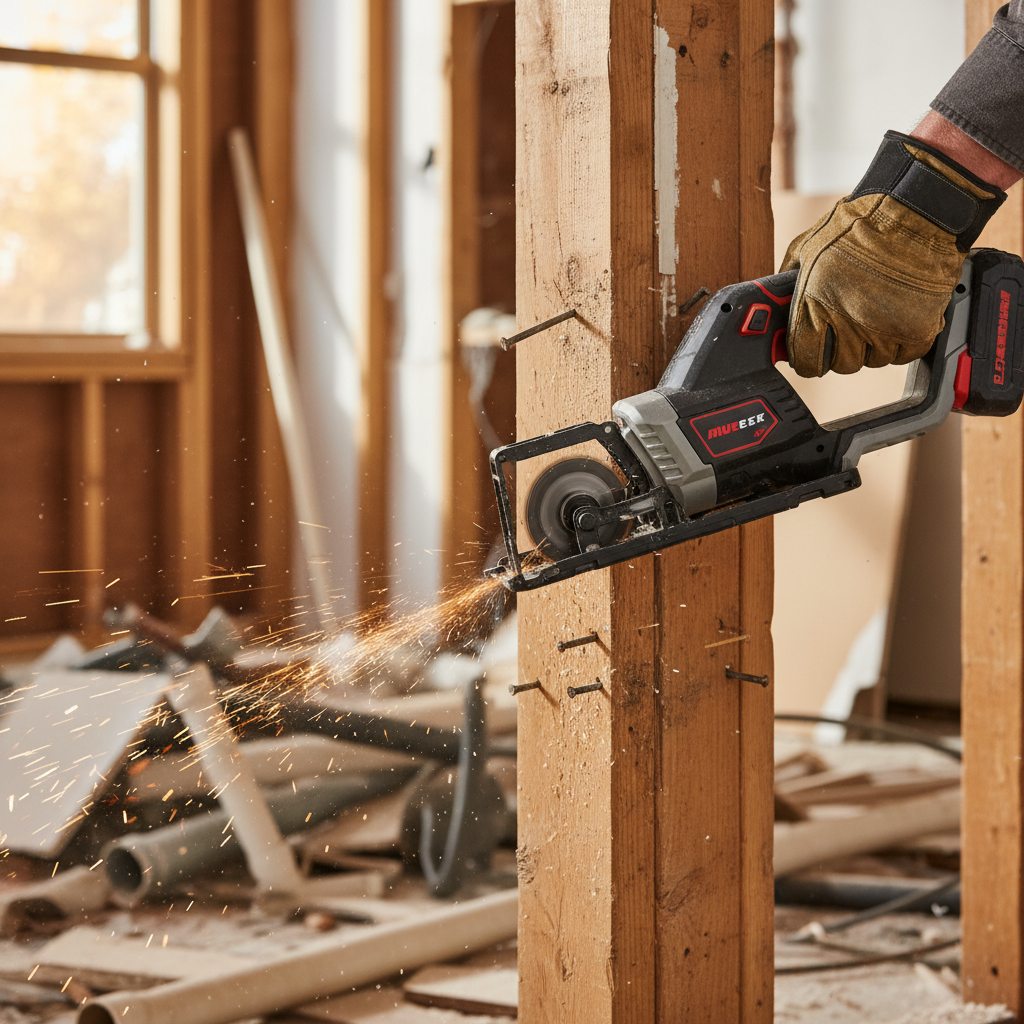
Below is a practical way to think about blade selection, what to keep in your kit, and how to use each blade so it lasts longer. If you’re a DIY homeowner, this keeps you from buying a “100-pack” that still misses the blades you actually need. If you’re a contractor, it’s about staying productive on site.
What a demolition blade set should actually cover
In real demo, the goal isn’t perfect finish cuts, it’s controlled speed. That usually means blades built for nail-embedded wood, thick metal, and mixed materials, with a few specialty options when you meet plaster, PVC, or fiberglass.
When evaluating a reciprocating saw blade set, look past the brand slogans and check these specs on the packaging, they matter more than most people expect.
- Length: 6 in works in tight spaces, 9 in is the everyday demo workhorse, 12 in helps for deep cuts through stacked material.
- TPI (teeth per inch): lower TPI cuts wood faster, higher TPI cuts metal cleaner and with less snagging.
- Material: bi-metal is the common “do most jobs” choice, carbide teeth cost more but often last longer in tough metal or abrasive materials.
- Blade thickness and flex: thicker blades track straighter, flexible blades survive nail hits better, many sets mix both.
Picking blades by material: the quick match guide
If you only remember one thing, match the blade to the hardest thing you’re likely to hit, not the main material you see. Cutting “wood” in demolition often means cutting wood plus nails, screws, plates, and unknown hardware.
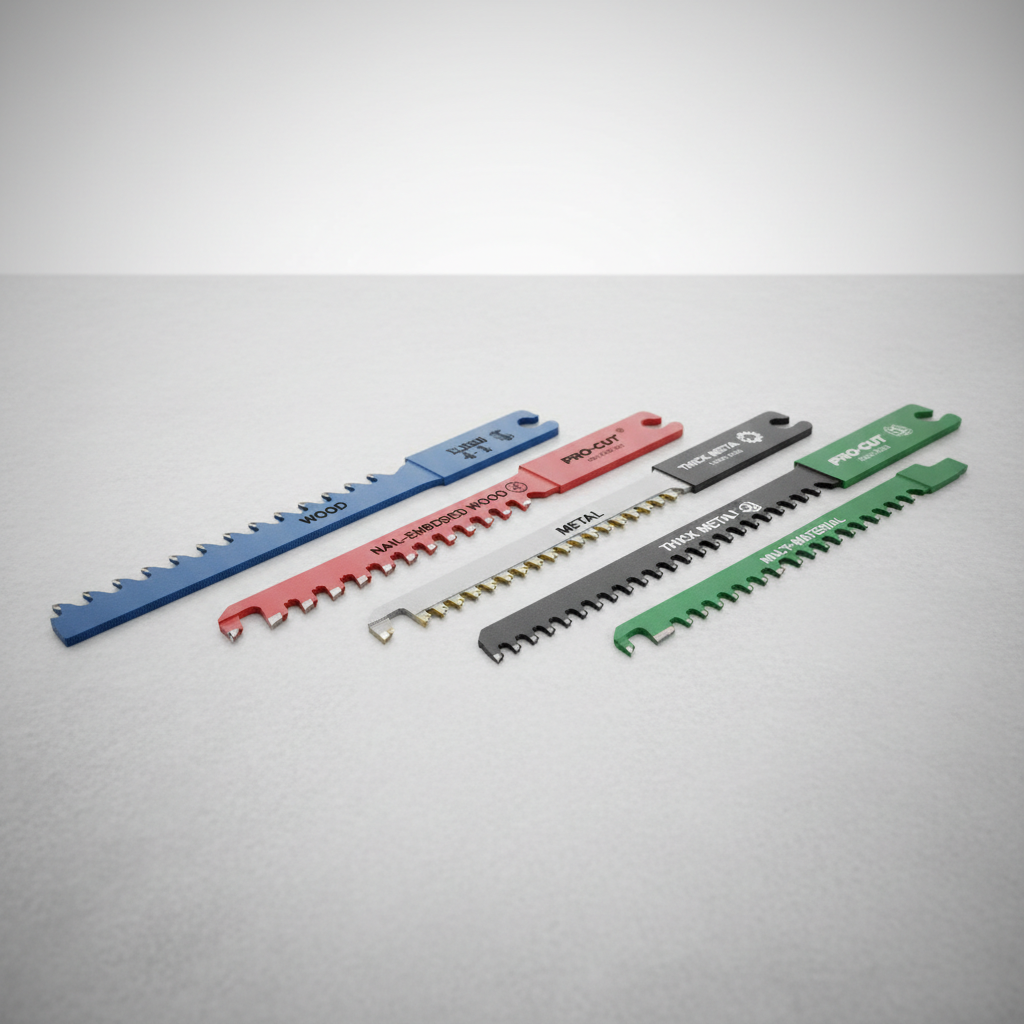
Here’s a practical cheat sheet you can use at the shelf or on the jobsite.
| Material / Situation | Blade type to reach for | Typical TPI | Notes that save headaches |
|---|---|---|---|
| Nail-embedded wood (studs, pallets, framing) | Demolition bi-metal, thick body | 6–10 | Fast cut, tolerates nails, don’t force it when nails spark |
| Clean wood (rough openings, trimming) | Wood pruning/wood blade | 3–8 | Very fast, but nails can kill it quickly |
| Thin metal (sheet, conduit, straps) | Metal-cutting bi-metal | 14–18 | Use slower speed, keep steady pressure to avoid chatter |
| Thick metal (angle iron, pipe) | Thick-metal bi-metal or carbide | 8–14 | Carbide often lasts longer, but technique still matters |
| Multi-material (roofing layers, remodel unknowns) | Carbide “multi material” | Varies | Great for surprises, costs more per blade |
| PVC/ABS/plastic | Fine-tooth or dedicated plastic | 10–14 | Too aggressive can grab and crack brittle plastic |
| Drywall/plaster lath | Multi-material or fine-tooth | 10–18 | Dusty and abrasive, blade life often short either way |
A simple checklist: do you need a bigger set or a tighter set?
A lot of people buy the biggest pack because it feels “prepared.” In demolition, “prepared” often means the right mix, not the most pieces.
- You need a bigger/more varied kit if your projects include bathrooms, kitchens, or basements where metal, PVC, and mixed materials show up in the same day.
- You can run a tighter kit if you mainly do framing demo, decks, fences, and general remodeling where nail-embedded wood dominates.
- You should add carbide blades if you frequently hit hardened screws, old cast hardware, or you’re cutting a lot of thick metal.
- You should add longer blades if you keep binding mid-cut, or you’re cutting through 2x material plus sheathing.
- You should add flexible blades if blades keep snapping near the shank, that’s often from twisting in cramped cuts.
One more reality check, if you’re doing only one demolition job, it can be smarter to buy a smaller reciprocating saw blade set plus 2–3 “problem solver” blades, rather than a huge assortment with duplicates you never use.
What a smart demolition set looks like (and why)
If you’re building a core kit for U.S. demolition work, this blend covers most common remodel surprises without going overboard. Quantities depend on how often you work, but the categories matter.
- 6-inch demolition blades (6–10 TPI), for tight cuts, toe-nailing areas, near corners.
- 9-inch demolition blades (6–10 TPI), your daily driver for studs, plates, and nail hits.
- 9-inch metal blades (14–18 TPI), for straps, conduit, and light steel.
- 9- or 12-inch thick metal blades (8–14 TPI), for pipe and heavier steel.
- 1–2 carbide multi-material blades, for days when you do not want to stop and swap twice per cut.
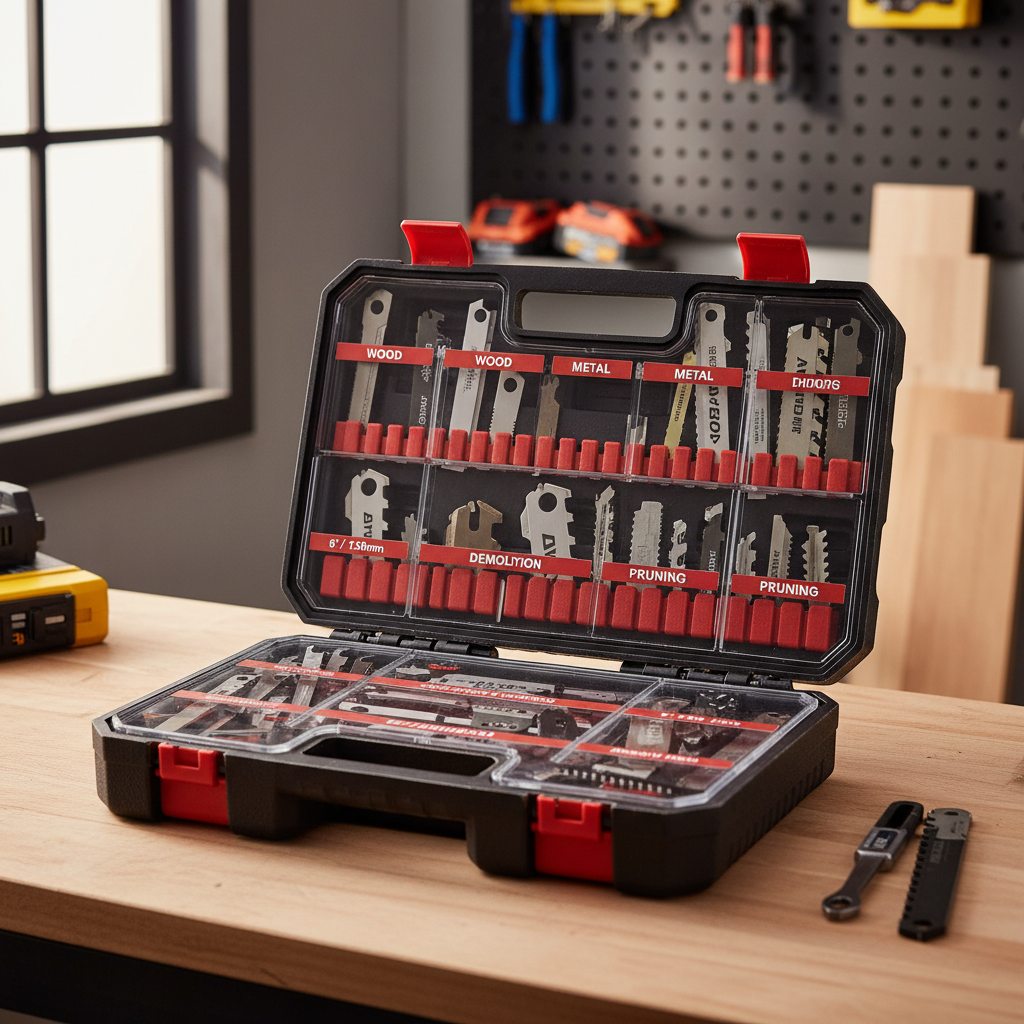
Key point: for demolition, duplicates of the “workhorse” blades often beat extra niche blades. Most jobs chew through nail-embedded wood blades and a couple metal blades, while the specialty pieces sit untouched.
Technique matters: how to make blades last longer in demo
Even a premium reciprocating saw blade set burns out fast if the cut setup fights the tool. These are the small habits that usually make the biggest difference.
Keep the shoe planted
Press the saw’s shoe firmly against the work. It reduces vibration, helps the blade track, and lowers the chance of bending teeth when you hit a fastener.
Let the blade do the work, but don’t baby it
Too much pressure overheats teeth, too little pressure causes chatter and rounds them off. You want steady, controlled feed, especially in metal.
Use the right speed for the material
- Wood: typically faster speed works well.
- Metal: slower speed usually cuts cleaner and keeps heat down.
- Mixed material: moderate speed, watch for sparks and back off if the blade starts to bind.
Watch for twisting in the cut
Blades snap most often when you pry with the saw. If the cut pinches, stop and reposition, or open the kerf with a wedge. It feels slower, but it beats changing blades every five minutes.
According to OSHA, employers should ensure workers are trained to recognize hazards and use tools safely, which includes selecting the right accessories and maintaining control during cutting tasks.
Safety and jobsite realities (what people underestimate)
Demolition cuts carry extra risk because you often cannot see what the blade will hit next. If you suspect electrical, plumbing, or structural elements, it’s worth slowing down and verifying, even if the schedule feels tight.
- Hidden utilities: shut off power/water when possible, or consult a qualified pro if you’re unsure.
- Blade heat: metal cutting can get hot quickly, give blades a moment before grabbing near the front.
- Eye and respiratory protection: plaster, drywall, and old materials can create dust, if you’re in an older home, consider extra caution and professional guidance for hazardous materials.
- Kickback and binding: keep a stable stance, avoid overreaching, and keep the shoe engaged.
According to CDC, some renovation and demolition activities can generate airborne dust and other hazards, and appropriate protective measures may be recommended depending on the site conditions.
Practical buying tips: getting value without overpaying
Most homeowners and many pros do fine with a mid-size reciprocating saw blade set, as long as it includes true demolition blades and at least one metal category. Where people waste money is buying variety without durability.
- Check the blade labeling: “demolition” or “nail-embedded wood” usually signals tougher tooth design and body thickness.
- Don’t ignore shank fit: most modern blades are universal 1/2-inch shank, but it’s still worth confirming your saw’s clamp style.
- Buy duplicates of your top two blades: for many demo jobs, that’s 9-inch demolition plus a 9-inch metal blade.
- Add carbide selectively: great for tough stuff, but not always necessary for light remodeling.
Quick takeaway: if your set includes lots of ultra-fine wood blades meant for clean carpentry, that’s usually not a demolition-focused assortment, even if the packaging says “all purpose.”
Conclusion: build a set around the cuts you actually make
A reciprocating saw blade set works best for demolition when it’s built around nail-embedded wood, includes real metal-cutting options, and has at least one multi-material problem-solver blade for surprises.
If you want one action step, open your current case and separate blades into three piles, wood demo, metal, and “unknown/mixed.” If one pile looks thin, that’s your next purchase, not another random assortment.