
Linoleum knife hook blade tools exist for one simple reason: regular straight blades tend to fight you on curves, especially when you want a clean edge without tearing the surface. If your cuts look ragged, corners chip out, or the blade keeps “catching,” it’s usually not your hands, it’s a mismatch between blade shape, material thickness, and how you’re steering.
This guide focuses on the hook blade style used for linoleum and similar sheet goods, what it does well, where it struggles, and how to get better results fast. I’ll also call out the mistakes that waste the most time, because plenty of people keep swapping blades when the real fix is technique and setup.
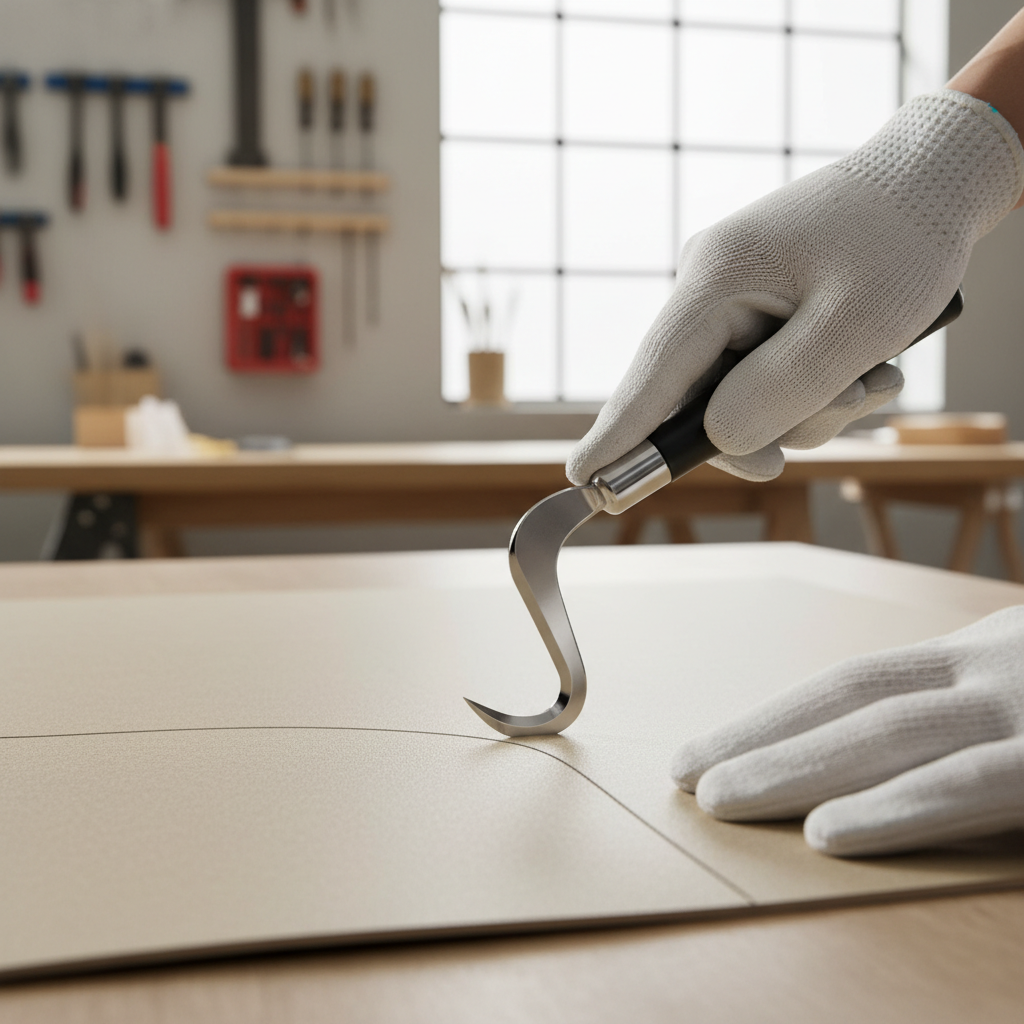
What a hook blade linoleum knife is (and why it feels different)
A hook blade is curved like a claw. Instead of pushing a straight edge forward into the material, you’re pulling a sharpened curve through the top layer. In real-world cutting, that changes two things: the blade stays engaged on turns, and the cut line can look cleaner because you’re slicing rather than “plowing.”
People usually reach for a hook blade when they need controlled cuts in:
- Sheet vinyl or linoleum flooring
- Thin rubber sheet and some foam-backed materials
- Carpet or carpet tile in light-duty situations (brand and blade spec matter)
It’s not magic, though. If you’re cutting thick, stiff flooring or you’re forcing the knife at a steep angle, the hook can still chatter, especially on subfloor seams or gritty underlayment dust.
Common reasons your hook blade cut looks rough
Most “bad blade” complaints come down to a few predictable patterns.
You’re trying to cut through in one pass
Hook blades tend to behave better with multiple controlled passes. One heavy pass can stretch sheet goods, wander off a straightedge, or create a jagged edge where the surface layer tears instead of slices.
The sheet is moving, even slightly
Linoleum and vinyl shift more than people expect. If the material creeps while you pull the blade, the edge can look scalloped. Weight the sheet, tack it temporarily, or cut on a stable surface with friction.
Wrong blade depth/angle
If the blade is too upright, the hook bites aggressively and can dig. Too shallow, and it skates. A lower angle with steady pull often gives a cleaner slice, especially on curves.
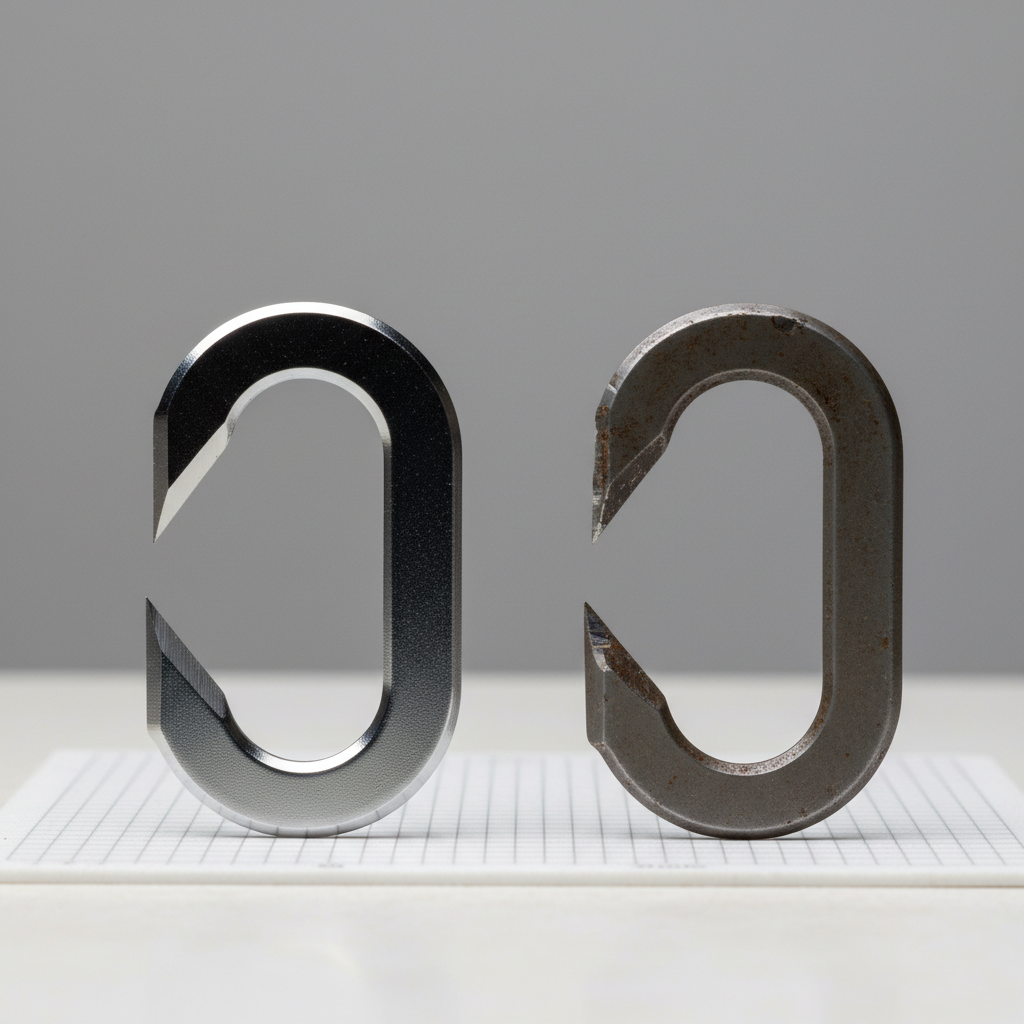
Dull faster than you think
Hook blades feel “okay” even when they’re past their prime, because the hook keeps grabbing. That’s when you see fuzzy edges and extra force creeping in.
According to OSHA, using dull or improperly maintained cutting tools can increase the risk of slips and lacerations, so treating blade sharpness as a safety issue is not overkill.
Quick self-check: do you need a hook blade, or something else?
If you’re not sure whether the hook style is the right tool, this checklist saves time.
- You’re cutting curves or inside corners → hook blade often helps with control.
- You need long, dead-straight seams → a straight blade guided by a quality straightedge may feel cleaner.
- Material has a tough wear layer → you may need more passes, or a blade designed for that flooring type.
- Edges are tearing or fuzzing → usually dull blade, wrong angle, or too much force.
- Knife keeps jumping out of the cut → sheet is shifting, or you’re pulling too fast.
One more reality check: if you’re cutting actual linoleum (not just “lino” as a generic term), it can behave differently from vinyl. When in doubt, test on an offcut and adjust before you commit to a visible seam.
How to cut cleaner with a linoleum knife hook blade (step-by-step)
This is the workflow that tends to produce predictable results without relying on brute force.
1) Set up the cut line so you can follow it
- Mark clearly: pencil, fine marker, or scribe depending on the surface.
- Use a straightedge for seams, flexible curve for arcs.
- Keep the surface clean; grit under the blade can drag the cut.
2) Choose “multiple light passes” on purpose
Start with a shallow scoring pass to establish the groove. Then deepen the cut gradually. On many sheet goods, the first pass does the steering, later passes do the depth.
3) Pull smoothly, don’t yank
A hook blade works best when it stays engaged. Think steady pull with consistent angle. If you need to reposition your hand, stop, reset, and re-enter the groove rather than twisting mid-stroke.
4) Finish edges deliberately
For corners, stop slightly short, rotate the sheet or your body position, and complete the corner in a controlled motion. Trying to “sweep” a tight corner in one pull is how you get overcuts.
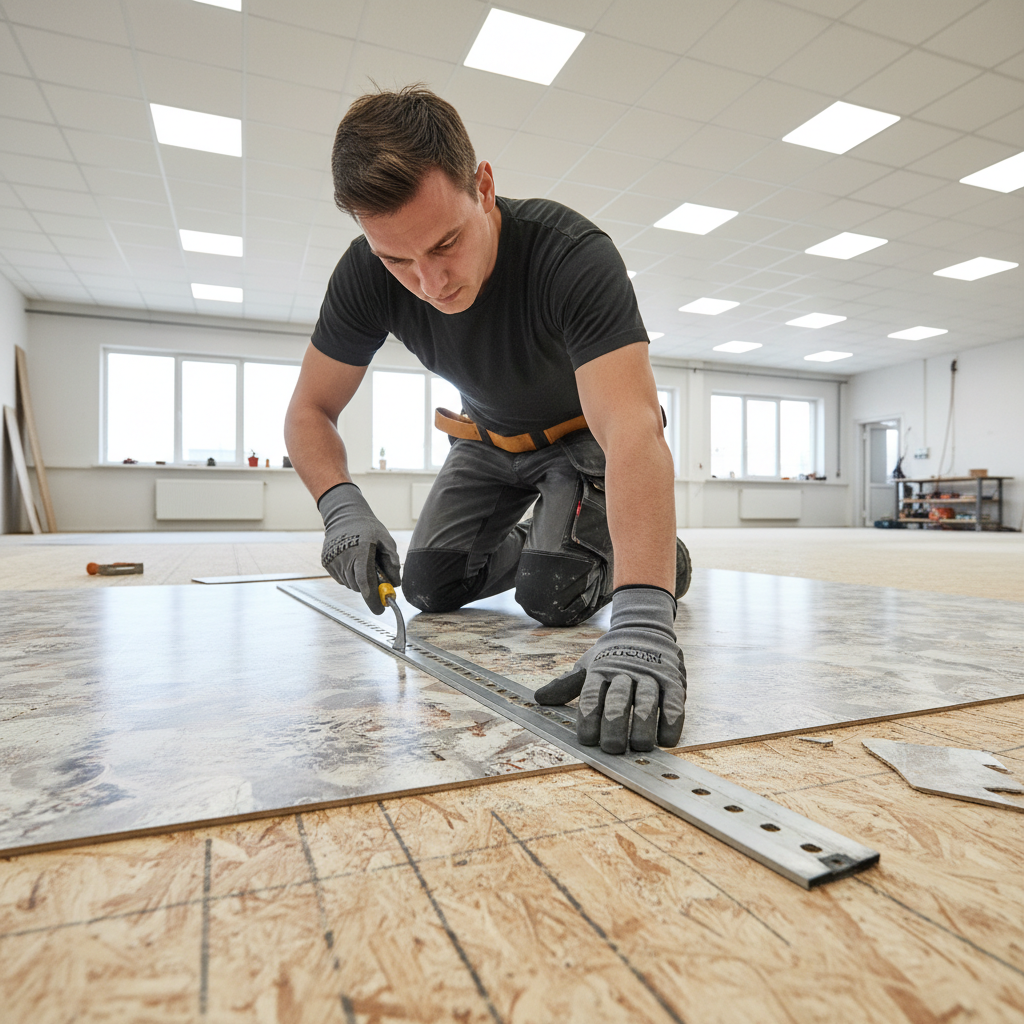
Comparison table: hook blade vs straight blade vs utility knife
If you’re deciding what to keep on the bench, this quick comparison is more useful than marketing names.
| Tool / blade style | Where it shines | Where it can disappoint | Best habit |
|---|---|---|---|
| Hook blade linoleum knife | Curves, controlled slicing, trim work | Can bite too hard; dull edge still “grabs” | Light passes, steady pull angle |
| Straight blade | Long seams with a straightedge | Curves feel awkward; can wander if pushed | Guide every long cut, don’t freehand |
| Standard utility knife (general) | Fast scoring, general site work | Not optimized for flooring finishes | Change blades early, not late |
Buying tips: what to look for in a hook blade knife
When people say “this knife is terrible,” it’s often a handle issue, not the blade. Comfort affects control, and control affects edge quality.
- Handle grip and balance: you want stability during pull cuts, especially on longer arcs.
- Blade locking mechanism: any wobble translates into a jagged cut line.
- Easy blade changes: if changes are annoying, you’ll delay them, and cuts suffer.
- Blade availability: choose a system you can restock locally or quickly.
If you’re working in occupied spaces, consider how you’ll store and dispose of used hook blades. A proper sharps container is a small detail that prevents big problems.
Mistakes to avoid (the ones that waste the most material)
- Cutting on a dirty subfloor: dust and grit can deflect the blade and dull it quickly.
- Overconfidence on the first pass: the first pass is for accuracy, not depth.
- Forcing tight curves without relief cuts: for some patterns, small relief cuts reduce tearing.
- Ignoring blade direction: hook blades generally prefer pulling; pushing can feel unstable.
- Chasing a perfect seam with extra pressure: pressure hides the real issue, usually alignment or sharpness.
According to CDC guidance on preventing cuts in workplaces, reducing force and improving tool condition are common ways to lower injury risk, so “cut smarter, not harder” is more than a saying.
When to get help (or switch approaches)
If you’re cutting expensive sheet goods, working around heat-weld seams, or trying to fit complex insets, it may be worth consulting a flooring installer or the material manufacturer’s installation instructions. Some products have specific cutting and seam-prep recommendations, and following them helps avoid edge curl, gaps, or finish damage.
Also, if you notice recurring hand strain, numbness, or you’re compensating with awkward wrist angles, that’s a signal to adjust tools and technique, and if symptoms persist, consider talking with a medical professional.
Key takeaways and a practical next step
A linoleum knife hook blade is a strong choice for controlled, cleaner curved cuts, but results depend heavily on blade sharpness, sheet stability, and using multiple lighter passes. If you want one immediate improvement, change to a fresh blade and re-run the cut using a shallow scoring pass before you go deeper, that alone fixes a surprising number of “mystery” issues.
If you’re setting up for a project this week, do a two-minute test cut on scrap, adjust angle and pass count, then commit to the visible seam with confidence.
FAQ
What is a linoleum knife hook blade used for?
It’s commonly used to slice sheet flooring and similar materials, especially when you need controlled curves or clean trimming where a straight blade feels jumpy.
Is a hook blade better than a straight blade for sheet vinyl?
Often for curves and detail work, yes. For long straight seams, many installers still prefer a straight blade with a rigid straightedge because it tracks more predictably.
Why does my hook blade keep snagging?
Snagging usually points to too steep an angle, too much force, or debris under the sheet. A fresh blade and a lighter first pass typically reduce the “grabby” feel.
How often should I replace hook blades?
There isn’t one schedule that fits every job. If you feel yourself adding pressure or the cut edge turns fuzzy, it’s usually time to swap. Changing earlier costs less than re-cutting material.
Can I use a linoleum hook blade on carpet?
Sometimes, depending on carpet type and blade spec, but it’s not always ideal. Thick pile and dense backing can chew through blades quickly, so test first and consider a carpet-specific blade.
What’s the safest way to cut with a hook blade?
Secure the material, keep your off-hand out of the cut path, and pull with controlled force rather than quick jerks. If you’re new to hook blades, practicing on offcuts is a low-risk way to build feel.
My cut edge looks jagged even with a new blade—what now?
Check for sheet movement and guide stability. If the straightedge shifts or the sheet creeps, even a sharp linoleum knife hook blade will leave a wavy edge.
If you need a more streamlined setup, consider standardizing your knife handle, blade type, straightedge, and a simple scrap-test routine so every cut starts the same way, it’s the easiest path to consistent seams without overthinking each project.