
Quick release plier set is the kind of tool you notice most when you don’t have it, one hand is holding a part in place, the other is trying to clamp, twist, and not slip at the same time. If you do any DIY, automotive work, light fabrication, or even careful household repairs, that one-handed “third hand” moment shows up a lot more than people expect.
What makes these sets worth talking about is not just convenience, it’s control. A quick-release mechanism can reduce the micro-fumbling that leads to stripped fasteners, scratched finishes, and the classic pinch on the web of your thumb. Many users buy them thinking “locking pliers are locking pliers,” then realize jaw shape, release feel, and handle geometry matter more than the marketing.
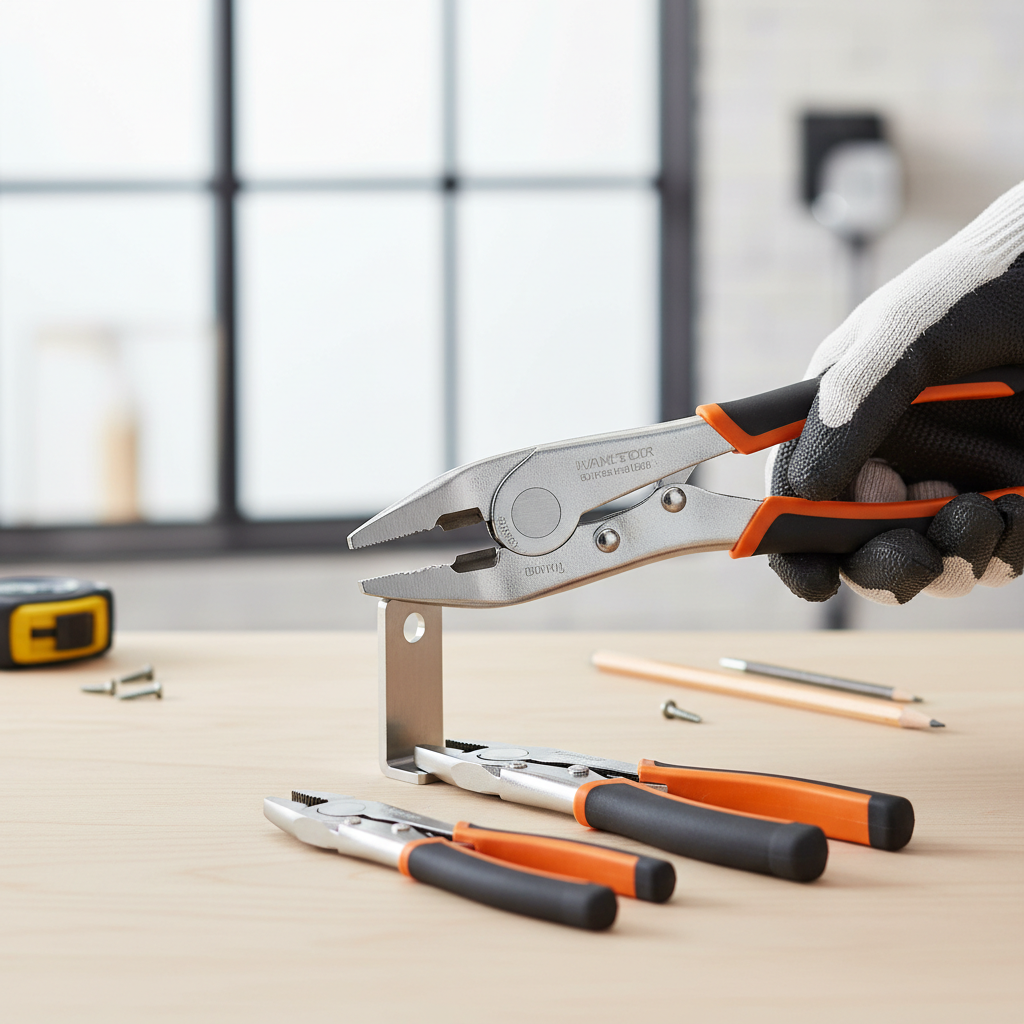
This guide stays practical: why one-hand operation works in real tasks, how to tell if your current pliers are helping or fighting you, and how to pick a set that fits what you actually work on. No hero claims, just what tends to matter at the bench.
Why one-hand quick release matters in real jobs
One-hand use sounds like a small feature until you’re on a ladder, under a sink, or holding a panel flush with a frame. The benefit is less about speed and more about not losing alignment while you reach for another tool.
- More stable setups: you can keep pressure on the workpiece while clamping, which helps with drilling, riveting, tack weld prep, and gluing.
- Less hand fatigue: a smoother release and predictable adjustment saves repeated squeeze-and-reset cycles.
- Lower slip risk: a consistent lock reduces the “almost grabbed” moment where jaws skate across rounded hardware.
- Better work quality: fewer do-overs means fewer scuffs, less thread damage, and cleaner fits.
According to OSHA, hand tools should be maintained and used as intended to help reduce common injury risks like pinches and cuts, which is a good reminder that “good enough” grip can still be a safety problem when tasks get awkward.
What a quick-release mechanism actually changes
Traditional locking pliers can work fine, but they often require more handle travel and more deliberate “break free” force. Quick-release designs typically add a dedicated lever that disengages the lock, so you don’t have to pry the handles apart under load.
In practice, that means two things people feel immediately: the release is more controlled, and you’re less likely to jolt the workpiece when it finally lets go. If you do any work near finished surfaces, that matters.
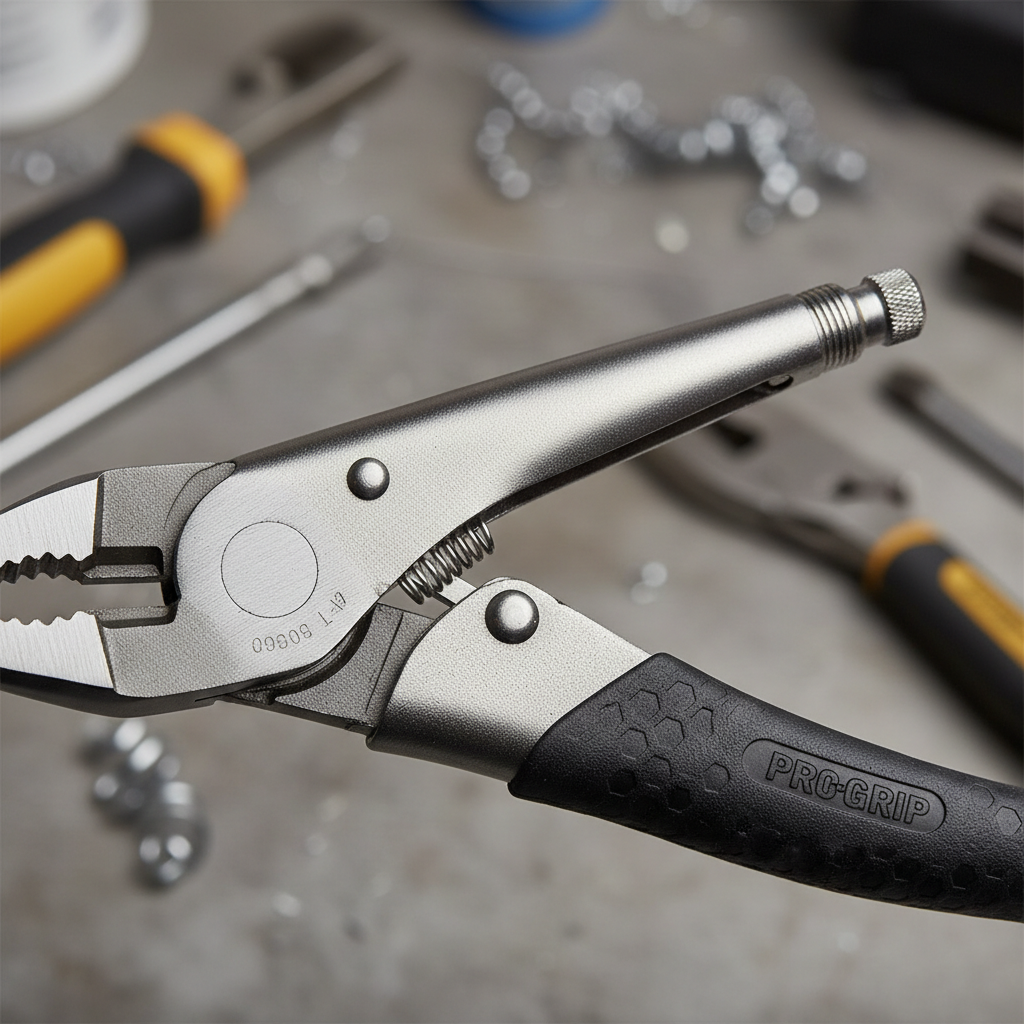
One nuance: “quick release” doesn’t automatically mean “easy adjustment.” Some models release quickly but still have a coarse adjustment screw that makes fine clamping pressure hard to dial in. If you clamp delicate parts, pay attention to that feel.
Self-check: do you need a quick release plier set or just one good pair?
If you’re deciding whether to buy a full kit, start by checking your actual use patterns. A set earns its keep when you bounce between shapes and access angles, not when you use one jaw style for everything.
Signs a set makes sense
- You regularly clamp flat stock and round tubing in the same project.
- You work in tight bays and need long-nose reach or compact jaws.
- You’ve improvised with multiple tools because one pair won’t sit square.
- You do repeat tasks where one-hand clamping keeps parts aligned.
Signs one premium tool may be enough
- You mainly need straight jaws for general holding and light turning.
- Your work rarely involves awkward angles.
- You care more about durability than coverage of many sizes.
Many households land in the middle: two or three core jaw styles cover 90% of jobs, and the rest is “nice to have.” That’s fine, just don’t pay for pieces you won’t touch.
How to choose the right set: jaw styles, sizes, and materials
When people feel disappointed with a quick release plier set, it’s usually a mismatch between jaw geometry and the work. Here’s what typically matters most.
| Jaw type | Best for | Watch-outs |
|---|---|---|
| Straight (flat) jaws | General clamping, holding flat pieces, light turning | Can slip on rounded parts unless serrations bite well |
| Curved jaws | Pipes, rounded fasteners, irregular shapes | May mar surfaces more easily, not ideal for delicate finishes |
| Long nose | Tight spaces, small parts, electrical/mechanical access | Lower torque capacity, easier to twist if overloaded |
| C-clamp / locking clamp style | Panel holding, welding prep, wide/throat reach | Bulkier, can be awkward in confined bays |
Material and build details also matter. Hardened jaws tend to keep bite longer, while comfortable grips reduce fatigue. For corrosion, chrome or nickel plating can help in many garages, though salty or coastal environments still reward basic wipe-down and oiling.
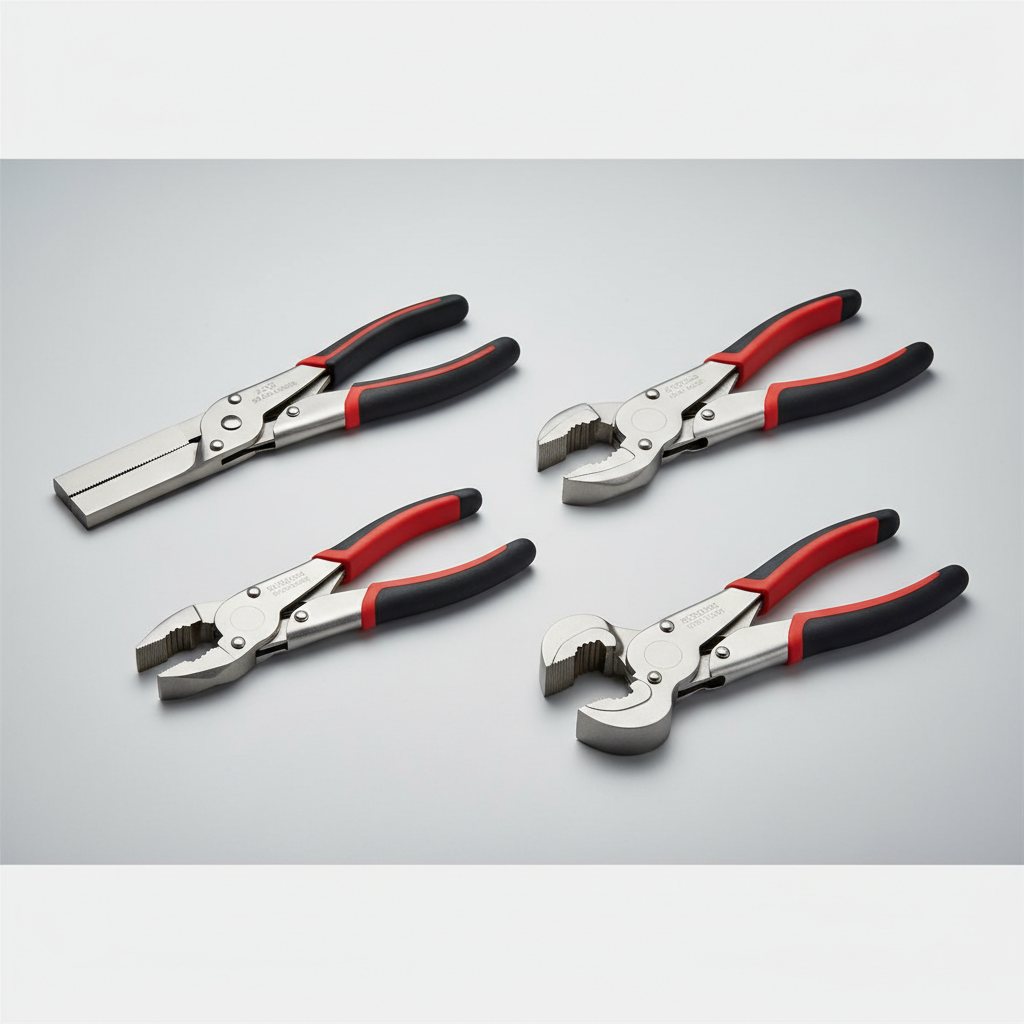
Key point: size variety sounds helpful, but jaw profile variety usually helps more. Two curved-jaw sizes often add less real coverage than one curved plus one long-nose.
Practical one-hand technique: set, lock, release without fighting the tool
A quick-release feature works best when the adjustment is close before you clamp. If you rely on handle force to “make up the gap,” you’ll get inconsistent pressure and harder releases.
A simple repeatable workflow
- Pre-set the screw: open jaws, bring them close to the workpiece, then snug the adjustment so you only need a short squeeze to lock.
- Square the jaws: make sure the jaws sit flat on flats, or centered on rounds, before you commit the lock.
- Lock with intent: one firm squeeze is better than several partial squeezes that shift alignment.
- Release deliberately: use the quick-release lever while keeping your other hand steady on the workpiece so the part doesn’t pop or drop.
If you’re clamping thin sheet metal or finished parts, consider adding a soft jaw cover or a scrap of leather, cardboard, or wood. It won’t fix a bad jaw match, but it can reduce marring in many situations.
Mistakes that make quick-release pliers feel “bad” (and how to avoid them)
When users complain that a new set slips, pinches, or won’t release smoothly, the cause is often technique or selection, not a broken mechanism.
- Over-tightening the adjustment screw: this creates excessive clamp force, makes release harsh, and can twist small parts.
- Using curved jaws on flats: you clamp corners instead of faces, then blame the grip when it walks.
- Clamping on oily surfaces: wipe the part quickly, especially on automotive fasteners, oil and coolant film reduce bite.
- Assuming “locking” equals “safe”: clamped parts can still shift, especially under vibration or leverage.
Safety-wise, pinches happen fast. If you’re doing heavy pulling or prying, it may be smarter to use purpose-built tools rather than pushing locking pliers beyond their role. If you’re unsure what’s safe for a specific job, asking a qualified technician is a reasonable move.
What to look for when buying: a quick checklist
Before you hit “add to cart,” use this shortlist to keep the purchase grounded in how you work.
- Comfortable, predictable release: the lever should disengage without a sudden snap.
- Adjustment feel: you want repeatable pressure, not a guess-and-check screw.
- Jaw alignment: closed jaws should meet evenly, uneven jaws often mean uneven grip.
- Realistic set composition: at least one straight or curved jaw plus one specialty shape if you need it.
- Storage that you’ll use: a roll pouch or case sounds minor, but it keeps the set together.
Quick takeaway: buy for jaw geometry and release feel first, size count second. Most frustrations come from the opposite approach.
Conclusion: a quick release set is a “control upgrade,” not a gimmick
A quick release plier set earns its place when you often need one-hand clamping and you work across different shapes, surfaces, and access angles. If you mostly need one general-purpose grip, one higher-quality pair may be the cleaner choice.
If you want a practical next step, pick one upcoming project, list the two most common clamping situations you hit, then choose jaw styles that match those situations. That small bit of honesty usually saves money and annoyance later.
FAQ
What is a quick release plier set used for?
A quick release plier set is commonly used for clamping, holding, and light turning tasks where you want a locking grip plus an easier, more controlled release, especially when one hand is busy stabilizing the work.
Are quick-release locking pliers safe for pulling or prying?
Sometimes, but it depends on load, angle, and the part you’re grabbing. Many situations are better handled with tools designed for prying or pulling. If the job feels sketchy or the part can slip, choosing another tool is usually safer.
Why do my locking pliers slip even when they’re tight?
Slipping often comes from jaw mismatch, oil on the surface, or uneven jaw contact. More tightening can make it worse because it shifts the bite point. Cleaning the surface and switching jaw style tends to help more.
Do I need straight jaws or curved jaws for automotive work?
Automotive tasks often benefit from curved jaws for rounded fasteners and irregular shapes, but straight jaws still matter for bracketry and flat stock. If you only buy one, think about what you grab most often in your specific vehicle work.
How do I keep the release lever from feeling stiff over time?
Wipe off grime, keep the pivot area reasonably clean, and add a small amount of light oil where the mechanism moves. If stiffness persists, it can be wear or damage, and replacing the tool may be more practical than forcing it.
Is a bigger set always better?
Not usually. More pieces can mean more overlap. A smaller kit with the right jaw styles is often more useful than a large bundle where half the tools stay unused.
Can quick-release pliers damage finished surfaces?
Yes, serrated jaws can leave marks, especially with high clamp force. Soft jaw covers or a protective layer can reduce damage, but delicate finishes may still require a different clamping method.
If you’re trying to choose a quick release plier set for a specific type of work, like small electronics, plumbing in tight spaces, or garage fabrication, it usually helps to match jaw styles to your two most common tasks, then fill gaps from there so the set feels useful rather than random.